
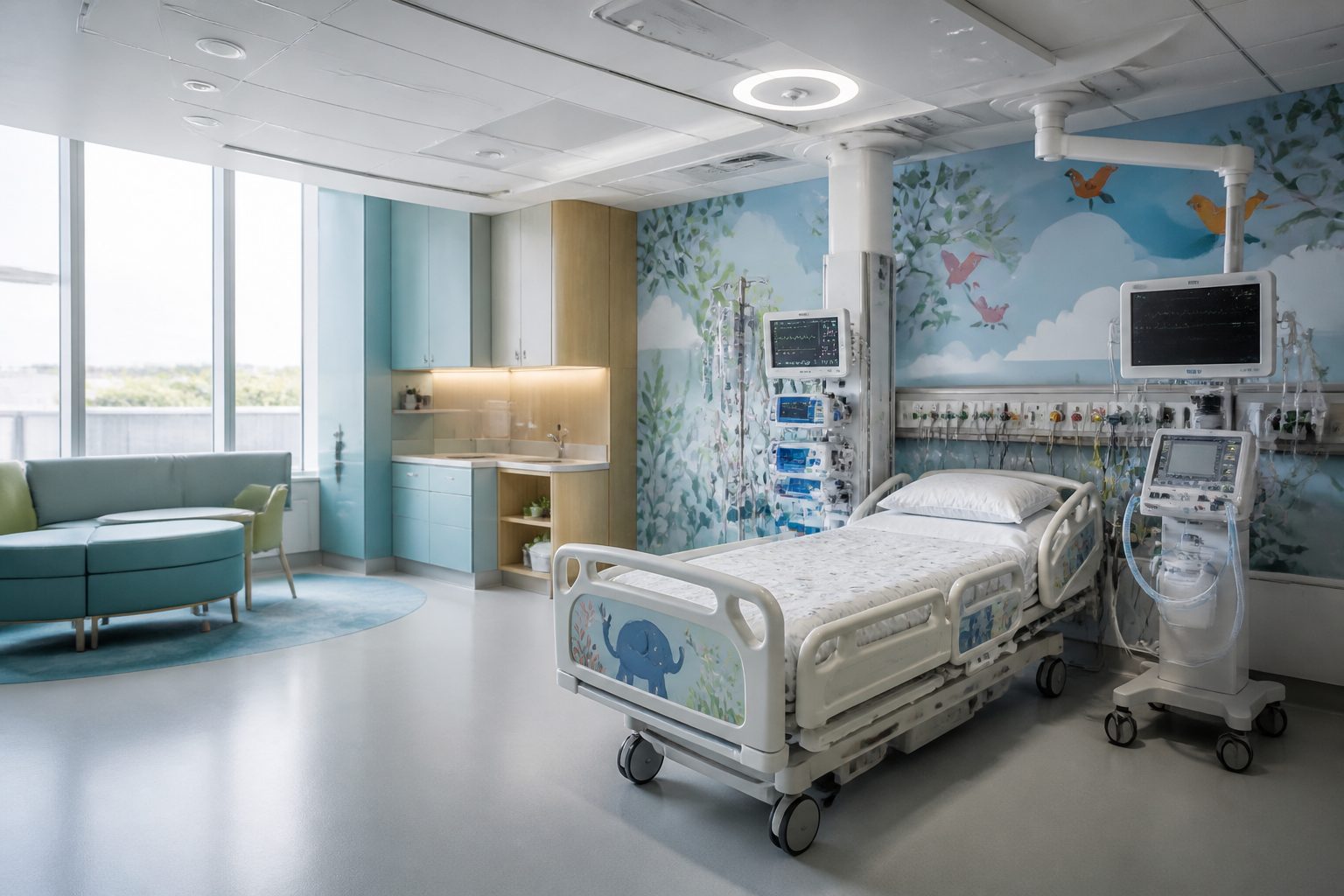
This guide is for families seeking advanced pediatric surgery and specialist care in Asia. The hospitals listed here are among the region’s best for complex procedures, with cost ranges to help you plan.
Expect to pay from $2,500 up to $120,000 for major surgery at these institutions, depending on the procedure, country, and hospital. Each center offers high-level expertise in areas like heart, liver, transplant, and reconstructive pediatric surgery.
How we chose these
These 20 hospitals were selected for their depth in pediatric specialties, high surgical volumes, known track records in complex cases, and—where available—international accreditations such as JCI or national equivalents. We also considered whether each hospital has dedicated international patient services and clear cost information, making them practical choices for families traveling from abroad.
1. Shanghai Children’s Medical Center, Shanghai
Shanghai Children’s Medical Center is renowned for pediatric cardiac and transplant surgeries, attracting patients from across China and neighboring countries. The hospital is equipped with advanced surgical suites and specialized pediatric ICUs, making it suitable for children requiring high-risk or multi-stage operations. International families benefit from interpreters and dedicated coordinators, though English proficiency among staff can vary.
Indicative cost: $10,000-$60,000
2. National Center for Child Health and Development, Tokyo
This leading Japanese institution specializes in advanced neonatal and pediatric surgeries, including complex congenital conditions. It is known for a strong multidisciplinary approach and cutting-edge technology. International patients will find highly structured care, though Japan’s strict medical visa process requires thorough preparation.
Indicative cost: $15,000-$80,000
3. Siriraj Hospital (Children’s Hospital Division), Bangkok
Siriraj’s Children’s Hospital Division is recognized for complex pediatric cardiac and neurosurgical procedures. As part of Thailand’s oldest and largest teaching hospital, it offers access to experienced teams and modern facilities. English is spoken in international services, and costs are generally lower than in East Asia.
Indicative cost: $8,000-$40,000
4. Seoul National University Children’s Hospital, Seoul
This hospital is a referral center for pediatric oncology and cardiac surgery in South Korea. It handles high volumes of rare and difficult cases. The hospital’s international office assists with logistics, though language support may need to be requested in advance.
Indicative cost: $12,000-$70,000
5. All India Institute of Medical Sciences (AIIMS) – Department of Pediatric Surgery, New Delhi
AIIMS New Delhi is India’s premier public hospital for pediatric organ transplants and reconstructive surgery. It is known for highly skilled surgeons and affordable pricing, but wait times can be long. International families often need to arrange local facilitators for smoother navigation.
Indicative cost: $3,000-$20,000
6. National University Hospital (NUH) – Khoo Teck Puat-National University Children’s Medical Institute, Singapore
NUH’s Children’s Medical Institute provides complex pediatric and neonatal surgeries in a JCI-accredited environment. It is favored by expatriate and regional families for its high standards and English-speaking teams. Singapore’s healthcare system is efficient, but costs are at the upper end.
Indicative cost: $18,000-$85,000
7. Beijing Children’s Hospital, Beijing
Beijing Children’s Hospital is a national leader in congenital heart and tumor surgeries, handling large volumes of challenging cases. Families benefit from specialty clinics and strong post-surgical support. International patient services are available, but language barriers may occur.
Indicative cost: $10,000-$55,000
8. Chang Gung Memorial Hospital (Children’s Medical Center), Taoyuan
This Taiwanese center is recognized for pediatric liver and cardiac surgery, especially transplants. It combines advanced technology with experienced surgical teams. The hospital supports international patients and offers transparent billing, though costs are among the highest in the region.
Indicative cost: $15,000-$90,000
9. Bumrungrad International Hospital (Children’s Center), Bangkok
Bumrungrad’s Children’s Center is a top choice for international pediatric surgery and critical care in Southeast Asia. The hospital offers seamless services for overseas families, including interpreters and accommodation assistance. Costs are higher than Thailand’s public hospitals but reflect private hospital standards.
Indicative cost: $10,000-$60,000
10. King Faisal Specialist Hospital & Research Centre (Pediatric Surgery), Riyadh
King Faisal Specialist Hospital is a regional leader for pediatric organ transplants and oncology surgery. It provides comprehensive multidisciplinary care and advanced facilities. International patients may require local sponsors and should expect premium pricing.
Indicative cost: $20,000-$120,000
11. Apollo Children’s Hospital, Chennai
Apollo Children’s Hospital is known for pediatric cardiac and neurosurgery, with a reputation for advanced surgical programs and family-centered care. The hospital offers international patient services and competitive pricing compared to other private centers in Asia.
Indicative cost: $4,000-$30,000
12. Asan Medical Center Children’s Hospital, Seoul
Asan Medical Center is a top destination for pediatric liver transplants and other complex surgeries in South Korea. The hospital’s international clinic helps with coordination, and English-speaking staff are available. It is popular with families from East and Southeast Asia.
Indicative cost: $15,000-$90,000
13. Hong Kong Children’s Hospital, Hong Kong
Hong Kong Children’s Hospital is a major center for pediatric oncology and major surgery. It brings together multidisciplinary teams with access to advanced diagnostics and therapies. English is widely spoken, and the hospital is used to serving patients from across Asia.
Indicative cost: $20,000-$100,000
14. KK Women’s and Children’s Hospital, Singapore
KK Hospital is Singapore’s largest provider of neonatal and pediatric complex surgeries. The hospital is JCI-accredited and known for its structured international patient services. Costs are high by regional standards, but care quality and support are likewise strong.
Indicative cost: $16,000-$80,000
15. Christian Medical College (CMC) Vellore – Pediatric Surgery, Vellore
CMC Vellore is recognized for pediatric reconstructive and cardiac surgery, with a long tradition of serving both local and international families. It is more affordable than many private hospitals, but wait times and bed availability can be issues for complex cases.
Indicative cost: $3,000-$18,000
16. Tokyo Metropolitan Children’s Medical Center, Tokyo
This specialist pediatric hospital in Tokyo is known for cardiac and transplant surgery, with dedicated teams for rare and intricate conditions. The hospital provides international patient support, though navigating Japan’s healthcare system may require advance planning.
Indicative cost: $15,000-$75,000
17. National Center for Maternal and Child Health, Ulaanbaatar
This Mongolian center is the country’s main referral hospital for pediatric cardiac and gastrointestinal surgery. It offers a growing range of advanced procedures, often at lower costs than in East Asia. English is spoken in international services, but facilities may be more basic.
Indicative cost: $5,000-$25,000
18. King Edward Memorial Hospital (Pediatric Surgery), Mumbai
King Edward Memorial Hospital is a leading public institution for pediatric trauma and reconstructive surgery in India. It is valued for its experienced surgeons and affordable care. The hospital may have longer waiting periods and basic amenities compared to private centers.
Indicative cost: $2,500-$15,000
19. Philippine Children’s Medical Center, Quezon City
This hospital is a national referral center for pediatric neurosurgery and oncology in the Philippines. It offers a wide range of treatments at competitive prices. International patients should plan for language support and possible waiting times for complex cases.
Indicative cost: $3,000-$20,000
20. National Center for Child Health and Development (NCCHD), Tokyo
NCCHD is another leading Tokyo institution, focused on pediatric complex surgeries and transplants. It is known for multidisciplinary teams and advanced care protocols. International families should prepare paperwork well in advance for Japan’s medical visa requirements.
Indicative cost: $15,000-$80,000
| Rank | Hospital | City | Known for | Indicative cost |
|---|---|---|---|---|
| 1 | Shanghai Children’s Medical Center | Shanghai | Pediatric cardiac and transplant surgeries | $10,000-$60,000 |
| 2 | National Center for Child Health and Development | Tokyo | Advanced neonatal and pediatric surgery | $15,000-$80,000 |
| 3 | Siriraj Hospital (Children’s Hospital Division) | Bangkok | Complex pediatric cardiac and neurosurgery | $8,000-$40,000 |
| 4 | Seoul National University Children’s Hospital | Seoul | Pediatric oncology and cardiac surgery | $12,000-$70,000 |
| 5 | AIIMS – Department of Pediatric Surgery | New Delhi | Pediatric organ transplants and reconstructive surgery | $3,000-$20,000 |
| 6 | NUH – Khoo Teck Puat-National University Children’s Medical Institute | Singapore | Complex pediatric and neonatal surgeries | $18,000-$85,000 |
| 7 | Beijing Children’s Hospital | Beijing | Congenital heart and tumor surgeries | $10,000-$55,000 |
| 8 | Chang Gung Memorial Hospital | Taoyuan | Pediatric liver and cardiac surgery | $15,000-$90,000 |
| 9 | Bumrungrad International Hospital | Bangkok | International pediatric surgery and critical care | $10,000-$60,000 |
| 10 | King Faisal Specialist Hospital & Research Centre | Riyadh | Pediatric organ transplants and oncology surgery | $20,000-$120,000 |
| 11 | Apollo Children’s Hospital | Chennai | Pediatric cardiac and neurosurgery | $4,000-$30,000 |
| 12 | Asan Medical Center Children’s Hospital | Seoul | Pediatric liver transplants and complex surgeries | $15,000-$90,000 |
| 13 | Hong Kong Children’s Hospital | Hong Kong | Pediatric oncology and major surgery | $20,000-$100,000 |
| 14 | KK Women’s and Children’s Hospital | Singapore | Neonatal and pediatric complex surgeries | $16,000-$80,000 |
| 15 | CMC Vellore – Pediatric Surgery | Vellore | Pediatric reconstructive and cardiac surgery | $3,000-$18,000 |
| 16 | Tokyo Metropolitan Children’s Medical Center | Tokyo | Pediatric cardiac and transplant surgery | $15,000-$75,000 |
| 17 | National Center for Maternal and Child Health | Ulaanbaatar | Pediatric cardiac and gastrointestinal surgery | $5,000-$25,000 |
| 18 | King Edward Memorial Hospital | Mumbai | Pediatric trauma and reconstructive surgery | $2,500-$15,000 |
| 19 | Philippine Children’s Medical Center | Quezon City | Pediatric neurosurgery and oncology | $3,000-$20,000 |
| 20 | NCCHD | Tokyo | Pediatric complex surgeries and transplants | $15,000-$80,000 |
What drives the price
Costs for complex pediatric surgery in Asia depend on several factors. The main drivers include the procedure type (e.g., cardiac, transplant, neurosurgery), the complexity of the case, length of hospital stay, and whether intensive care or advanced imaging is required. Public hospitals in India and Southeast Asia usually offer lower base prices, but may have longer wait lists. Private and university-affiliated hospitals in Japan, Singapore, Hong Kong, and South Korea typically have higher costs due to advanced technology, international accreditations, and more personalized services.
Additional expenses can arise from preoperative testing, specialist consultations, follow-up care, and extended ICU stays. Families should also account for costs not always included in the headline price: medications, surgical implants, post-surgical rehabilitation, and interpreter services.
How to choose the right hospital
When selecting a hospital for complex pediatric surgery, consider the hospital’s experience with your child’s specific condition, the volume of similar surgeries performed each year, and the qualifications of the surgical team. International accreditations such as JCI (Joint Commission International) or local equivalents can be a sign of adherence to global quality standards. Look for hospitals that offer dedicated coordinators for international patients, and ask about language support, accommodation options, and access to multidisciplinary care teams.
It’s also important to review patient testimonials and seek recommendations from your referring doctor or local patient organizations familiar with overseas treatment.
What is and isn’t included in the price
Understanding exactly what your quoted price covers is essential when considering surgery at a leading children’s hospital in Asia. Typically, the base price includes the surgical procedure itself, a standard hospital stay (usually in a shared ward), and basic nursing care. However, there are many important services that may not be part of the initial quote. Preoperative assessments—such as specialist consultations, blood tests, and diagnostic imaging (MRI, CT scans, X-rays)—are often billed separately. In countries like Singapore or Japan, advanced imaging can be particularly costly. ICU care is another major expense; if your child needs intensive monitoring after surgery, daily ICU charges can be significant and are sometimes only partially included in the package.
Other frequently excluded items include medications (both during and after the hospital stay), specialist consultations (such as with anesthesiologists, cardiologists, or infectious disease experts), and post-operative therapies. Private rooms or upgraded accommodations are usually available at an extra cost, and in some countries (such as South Korea or Thailand), interpreter services for non-local families are an additional fee. Extended hospital stays due to complications or slow recovery are almost always billed per day, and costs can escalate quickly.
- Always ask for a detailed, itemized cost breakdown from the hospital’s billing department.
- Clarify what is included in the quoted price and what is considered an extra.
- Check if follow-up visits, outpatient care, or medications after discharge are part of the package or billed separately.
- Request information about the cost of common add-ons, such as physiotherapy, blood products, or surgical implants.
By carefully reviewing and clarifying all inclusions and exclusions before admission, you can avoid unexpected bills and ensure your child receives all necessary care without financial stress.
Hidden costs to watch for
When planning for complex pediatric surgery in Asia, it is crucial to look beyond the initial hospital quote and anticipate a range of hidden costs that can quickly add up. Travel and accommodation expenses for parents or guardians are often significant, especially in major cities like Singapore, Bangkok, or Seoul, where hotel prices can be high. If your child requires a long stay or follow-up visits, these costs multiply. Visa fees for medical travel may vary by country; for example, India and Thailand offer special medical visas, but these come with processing charges and sometimes require proof of funds or additional documentation. Health insurance is another variable—some policies exclude overseas care, or only partially cover hospital charges, leaving you responsible for the remainder.
Additionally, many hospitals in Asia charge separately for blood products, surgical implants, or prosthetics. In countries like South Korea and Japan, advanced surgical materials or imported devices can be expensive and billed outside the core surgical package. Post-operative therapies such as physiotherapy, occupational therapy, or speech therapy are rarely included in the initial estimate, yet are often essential for recovery. Some hospitals charge for medical supplies (like wound dressings or special formula feeds) on a per-item basis. If complications arise, extra days in ICU or regular wards may be billed at premium rates, and additional medications or specialist consultations can further increase costs.
- Request a detailed, itemized cost estimate before committing.
- Clarify what is included and ask about common extras.
- Factor in the potential for longer stays due to complications.
- Budget for daily living expenses and emergency contingencies.
Understanding these hidden costs upfront helps families avoid financial surprises and plan more effectively for their child’s care.
How to save safely
There are several effective strategies for families seeking to manage costs for complex pediatric surgery in Asia without compromising on safety or quality. Public and teaching hospitals in countries like India, Thailand, and the Philippines are often significantly more affordable than private facilities, yet many have internationally trained surgeons and modern equipment. For example, India’s All India Institute of Medical Sciences (AIIMS) and Thailand’s King Chulalongkorn Memorial Hospital are renowned for excellence at lower prices. Teaching hospitals may also offer lower rates as part of their training programs, while maintaining strict supervision by senior specialists.
Some private hospitals, especially in Malaysia, Singapore, and Thailand, offer bundled packages specifically for international patients. These packages may include the surgery, standard hospital stay, and basic aftercare, providing clarity and predictability in overall costs. However, always read the fine print—additional therapies, medications, or extended stays are often extra. Comparing multiple quotes is crucial: request detailed, itemized estimates from at least two hospitals, and ask if discounts are available for self-pay patients or those paying upfront. Some hospitals provide financial counseling or installment plans for families facing large bills.
- Never compromise on post-operative care or choose facilities without a strong pediatric surgical program, as this can increase long-term risks and costs.
- Ask about charity programs or government subsidies for international patients—these exist in some countries, especially for children with rare or life-threatening conditions.
- Consider the total cost, including travel and accommodation, when comparing options.
By focusing on accredited hospitals with proven expertise, leveraging bundled deals, and seeking out available financial assistance, families can reduce expenses while ensuring their child receives safe, high-quality care.
Planning your trip and care
Effective planning is essential for a smooth hospital experience and recovery when traveling to Asia for your child’s surgery. Start by gathering all relevant medical records, including previous diagnoses, test results, and imaging. If possible, have these documents translated into English or the local language of your destination; this greatly speeds up the pre-admission process. Contact the hospital’s international patient office early—they can provide guidance on the medical visa process, necessary documentation, and expected timelines for surgery and recovery. Some countries, like India and Thailand, have dedicated medical visa channels that require specific paperwork and letters from the hospital.
Plan for at least one parent or guardian to stay with the child during the entire hospital stay. Many top hospitals offer family rooms or discounted accommodation nearby, but these can fill up quickly—book as far in advance as possible. In cities such as Singapore or Seoul, consider cost-effective options like guesthouses or serviced apartments within walking distance of the hospital. Local support services, such as patient liaison offices or international charities, can help with logistics, translation, and emotional support. Some organizations even provide financial aid or temporary housing for families in need.
- Confirm arrangements for follow-up care, both at the hospital and with your child’s referring doctor at home.
- Prepare a checklist of required documents, including passports, visas, insurance, and medical records.
- Familiarize yourself with local transportation options and emergency contacts.
- Pack essential items for your child’s comfort and recovery, such as favorite toys, snacks, or comfort objects.
By planning thoroughly and using available resources, families can reduce stress, minimize unexpected delays, and help ensure a successful treatment journey for their child.
The bottom line
Asia’s top children’s hospitals are increasingly recognized for offering world-class expertise in complex pediatric surgeries, often at a fraction of the cost found in the US or Western Europe. This cost advantage, however, comes with important considerations. Choosing the right hospital is about more than just price—it involves evaluating the hospital’s track record in your child’s specific condition, the experience of the surgical team, and the availability of advanced technologies such as pediatric ICUs, ECMO, or minimally invasive surgical suites. Facilities in Singapore, South Korea, and India, for instance, are known for their high standards but vary in approach, language support, and pricing structures.
Families should also weigh the quality of support services, including pre- and post-operative care, child life specialists, and family accommodation options. Some hospitals offer comprehensive packages for international patients, while others may require you to coordinate logistics independently. Budgeting for both expected and unforeseen expenses is essential, as hidden costs can arise from extended stays, additional therapies, or complications.
- Start planning early by gathering medical records and researching hospital options.
- Communicate clearly with the hospital’s international patient office about all costs and care details.
- Prioritize hospitals with strong reputations for safety, quality, and family-centered care.
- Factor in travel, accommodation, and aftercare needs for a holistic assessment of total expenses.
Ultimately, by combining careful research, proactive communication, and a focus on quality and safety, families can maximize the benefits of Asia’s leading children’s hospitals and achieve the best possible outcomes for their child—often with substantial cost savings compared to Western alternatives.
Frequently asked questions
How do I know if a hospital is accredited for pediatric surgery?
Look for international accreditations such as JCI or recognized national certifications. Many top hospitals list their accreditations on their official websites. You can also ask the hospital’s international office to provide documentation.
What documents are needed for international pediatric surgery?
Most hospitals require a detailed medical summary, imaging and test results, passport copies, and, in some countries, a medical visa. Some hospitals may also ask for financial guarantees or a deposit before admission.
Can I stay with my child in the hospital?
Most pediatric hospitals allow one parent or guardian to stay with the child, especially during recovery. Some offer family accommodation or parent lounges. Ask about these options when making arrangements.
How long should we plan to stay abroad?
For complex surgery, expect a hospital stay of 1-4 weeks, plus additional time for preoperative assessments and post-surgical reviews. Plan for a total stay of 3-6 weeks, depending on the child’s condition and recovery rate.
Are interpreters available for non-English-speaking families?
Many top hospitals offer interpreter services for major languages, but availability may vary. Always request these in advance and confirm whether they are included in the cost or billed separately.
Related guides
Disclaimer: Prices are indicative and vary by case, procedure, and hospital. Always request a written quote and consult a qualified doctor before making any medical or financial decisions.