
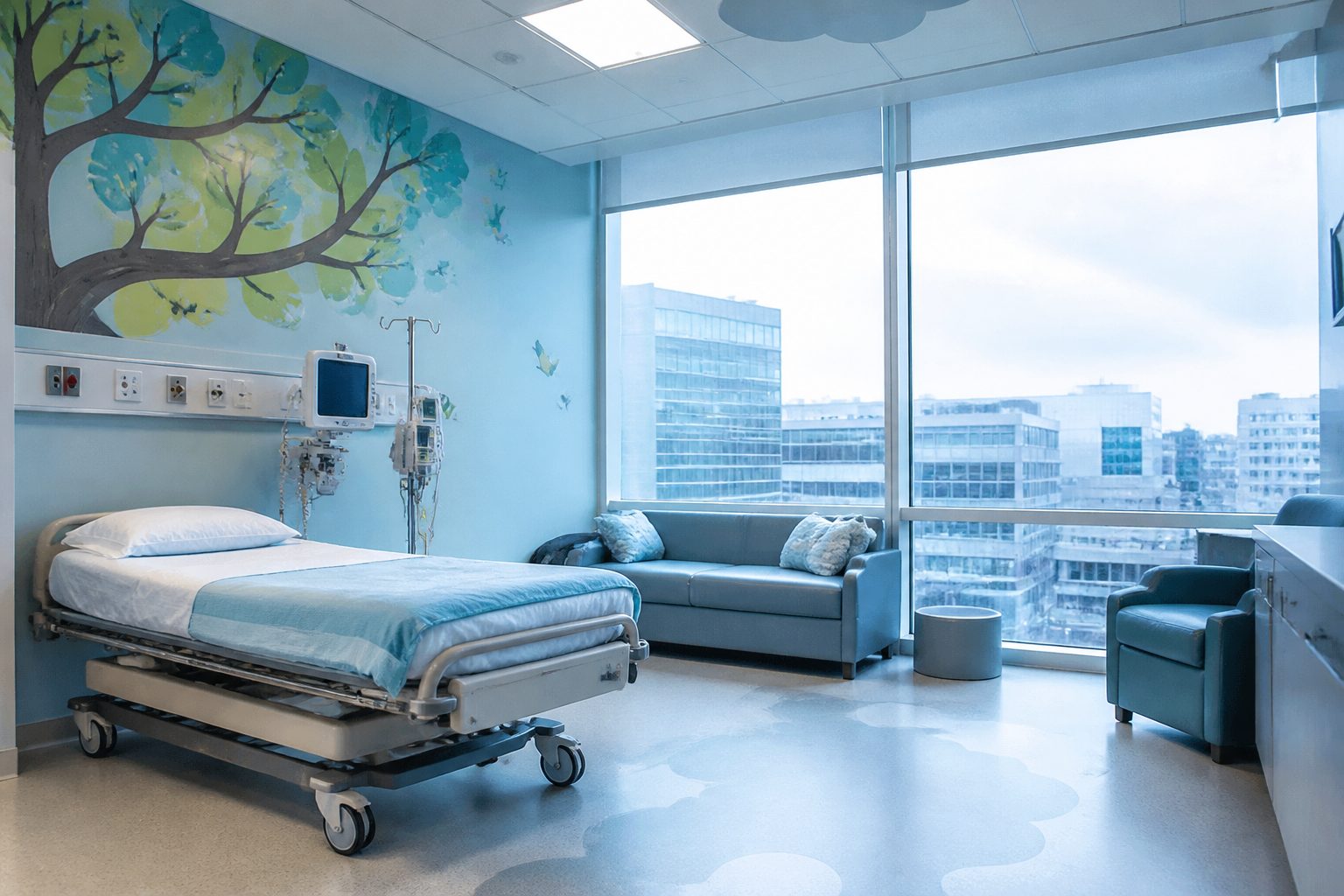
Families seeking paediatric rheumatology and specialist children’s care in Switzerland will find a high standard of medical expertise, modern hospitals, and comprehensive services. Costs can be significant, but quality and safety are among Europe’s best.
This guide explains where to find top children’s hospitals, what common paediatric treatments cost, vaccination schedules and prices, newborn screening, and how to plan for dental and eye care for children in Switzerland.
Overview of paediatric specialist care in Switzerland
Switzerland’s health system is well-resourced, with several university hospitals and specialised centres offering advanced paediatric care. Paediatric rheumatology is a recognised subspecialty, and most tertiary hospitals have dedicated departments for children with autoimmune, joint, and connective tissue disorders. In addition to rheumatology, these hospitals provide comprehensive paediatric surgery, oncology, cardiology, neurology, and more. Multidisciplinary teams, including paediatric nurses, psychologists, and physiotherapists, support care.
Families from Switzerland and abroad often choose these centres for complex cases, attracted by the combination of clinical excellence, child-friendly environments, and strong safety protocols. English is widely spoken in major hospitals, and international patient services are available. Costs are high by global standards, but price transparency is improving, and health insurers (including overseas providers) may cover some services. Self-pay patients should always confirm costs in writing before treatment.
Leading children’s hospitals and paediatric rheumatology centres
Switzerland is home to several internationally recognised children’s hospitals that serve as centres of excellence for paediatric rheumatology and related subspecialties. The University Children’s Hospital Zurich (Kinderspital Zürich), University Hospitals of Geneva (HUG), Inselspital Bern, and University Children’s Hospital Basel (UKBB) are among the most prominent, each offering extensive expertise in diagnosing and treating complex autoimmune and inflammatory conditions such as juvenile idiopathic arthritis, lupus, vasculitis, and rare genetic syndromes. These hospitals are equipped with advanced diagnostic imaging, state-of-the-art laboratories, and access to cutting-edge therapies, including biologic medications and clinical trials.
Both outpatient and inpatient services are available, allowing for flexible management of acute flares, long-term monitoring, and multidisciplinary care. Teams typically include paediatric rheumatologists, nurses, physiotherapists, occupational therapists, psychologists, and social workers, ensuring holistic support for children and their families. For international patients, these centres provide English-speaking coordinators, personalised care plans, and assistance with travel arrangements, visa documentation, and accommodation near the hospital. Cost transparency is a priority: hospitals can supply detailed written estimates for consultations, procedures, hospital stays, and therapies, helping families plan financially.
Waiting times for non-urgent specialist appointments can range from several weeks to a few months, especially for second opinions or elective procedures. However, urgent cases are prioritised. While private clinics exist in Switzerland, highly specialised paediatric rheumatology care is typically concentrated in major public hospitals due to the need for multidisciplinary resources and access to paediatric subspecialists. Families seeking second opinions or multidisciplinary reviews can request these services directly, and many centres offer virtual consultations for international or remote patients.
Paediatric surgery: what’s available and what it costs
Paediatric surgery in Switzerland covers a wide range of procedures, from appendectomy and hernia repair to complex heart, orthopedic, and neurosurgical operations. Surgery is performed in dedicated children’s hospitals with paediatric anaesthesiologists and intensive care. Minimally invasive (laparoscopic) techniques are widely used where appropriate.
Costs for paediatric surgery are high compared to most countries. For example, a routine appendectomy may range from $8,000-$12,000 (CHF 7,100–10,700), including hospital stay and basic aftercare. More complex surgeries (e.g., congenital heart surgery) can exceed $40,000 (CHF 35,600). These prices usually include surgeon and anaesthetist fees, theatre charges, standard hospital stay, and routine follow-up, but not pre-op investigations or unexpected complications. Insurance may cover part or all of the cost; self-pay patients should request a detailed breakdown.
Vaccination schedules and vaccine prices in Switzerland
Switzerland follows a national immunisation schedule recommended by the Federal Office of Public Health (FOPH). Vaccines are available through paediatricians, family doctors, and public clinics. The schedule covers the standard range: DTP (diphtheria, tetanus, pertussis), polio, Hib, MMR (measles, mumps, rubella), pneumococcus, meningococcus, HPV, and seasonal influenza, among others.
For Swiss residents, most vaccines on the official schedule are covered by mandatory health insurance with minimal out-of-pocket expense. For international patients or those paying privately, costs vary: a single vaccine dose typically ranges from $60-$110 (CHF 53–98), with combination vaccines (e.g., MMR, hexavalent) at the higher end. Travel and optional vaccines, such as varicella or rotavirus, may cost more and are not always reimbursed. Bring previous vaccination records to avoid unnecessary repeats.
Newborn screening in Switzerland: what’s included
Switzerland’s newborn screening programme is comprehensive, aiming to detect serious but rare conditions early to enable prompt treatment and prevent long-term health issues. All babies born in Switzerland are automatically enrolled in this programme, which involves a blood spot test (heel prick) performed within the first few days after birth. The standard panel screens for metabolic, endocrine, and genetic disorders, including phenylketonuria (PKU), congenital hypothyroidism, cystic fibrosis, sickle cell disease, and several others. This early detection is crucial, as many of these conditions are asymptomatic at birth but can cause severe complications if left untreated.
For Swiss residents, the cost of newborn screening is fully covered by mandatory health insurance. For international families or those giving birth in Switzerland as private patients, screening costs are typically bundled with overall delivery and maternity charges, though some hospitals may itemise this service. Standalone newborn screening, if required outside the context of childbirth, generally costs between $100–$200 (CHF 89–178). If families wish to pursue additional or expanded genetic panels—such as those screening for a wider array of metabolic or immunological conditions—these tests are available on request but incur extra fees, which can vary significantly depending on the scope.
Results from the screening are usually available within one to two weeks. If a potential issue is detected, parents are contacted directly by the hospital or paediatrician to arrange further testing and specialist consultations. To ensure smooth processing, parents should confirm with their care provider whether any additional consent forms or documentation are needed, especially if they are non-residents. It is also advisable to keep a copy of the screening report for future medical reference, particularly for families who may relocate or require international care coordination.
Child dental and eye care: services and prices
In Switzerland, dental and vision care for children are considered supplementary rather than core health services, meaning they are largely paid out-of-pocket unless directly linked to a medical condition (such as dental trauma from an accident or vision issues caused by a chronic disease). Basic compulsory health insurance (LaMal) does not cover routine dental check-ups, fillings, orthodontics, or standard eye exams and glasses. However, some families may purchase supplemental dental or vision insurance, which can partially offset these costs.
Most Swiss towns and cities are well-served by paediatric dentists and optometrists, and urban centres often feature dedicated children’s dental clinics equipped to handle anxious or special-needs children. Routine dental check-ups, which typically include examination, cleaning, and fluoride application, cost between $80–$150 (CHF 71–133). If cavities are detected, fillings or sealants are priced at $120–$250 (CHF 107–223) per tooth, depending on the material and complexity. Orthodontic treatment, such as braces, represents a major investment, with full courses generally costing $4,500–$9,000 (CHF 4,000–8,000), and payments are often spread over several years.
For vision care, children’s eye exams are typically $100–$180 (CHF 89–160), and basic prescription glasses start at around $120 (CHF 107), with costs increasing for designer frames or special lenses. Some cantons (Swiss regions) offer subsidised or school-based dental care for children, particularly for families with limited income—check with your local canton’s health department for eligibility and application steps. To manage costs, families should request itemised quotes, ask about payment plans, and consider supplemental insurance if their child is likely to need extensive dental or vision care.
Table: Common paediatric treatment costs in Switzerland vs other countries
| Treatment | Switzerland | Germany | France | UK (private) | India | USA |
|---|---|---|---|---|---|---|
| Paediatric rheumatology consult | $400–$700 (CHF 356–623) | $250–$400 | $200–$350 | $350–$500 | $40–$90 | $500–$900 |
| Juvenile arthritis biologic (annual) | $18,000–$25,000 | $15,000–$22,000 | $14,000–$20,000 | $19,000–$24,000 | $3,500–$8,000 | $20,000–$30,000 |
| Appendectomy (child) | $8,000–$12,000 | $5,500–$8,000 | $4,800–$7,500 | $6,500–$10,000 | $1,000–$2,500 | $13,000–$18,000 |
| MMR vaccine (per dose) | $60–$110 | $35–$60 | $30–$50 | $65–$110 | $6–$18 | $70–$120 |
| Newborn screening panel | $100–$200 | $40–$80 | $30–$70 | $60–$120 | $5–$25 | $150–$300 |
| Dental check-up (child) | $80–$150 | $50–$100 | $40–$90 | $70–$120 | $5–$20 | $80–$150 |
| Eye exam (child) | $100–$180 | $60–$120 | $50–$100 | $90–$140 | $8–$25 | $100–$200 |
What drives the cost of children’s healthcare in Switzerland
Switzerland’s high costs reflect advanced facilities, highly trained staff, and a regulatory environment focused on quality and safety. Hospital charges include modern equipment, 24/7 specialist cover, and extensive support services. Drug and device prices are higher than in most countries. For paediatric rheumatology, the use of advanced biologic medications is a major cost driver. Inpatient stays are typically more expensive than elsewhere in Europe, and private or semi-private rooms add to the bill.
Insurance coverage varies depending on residency, policy, and the specific treatment. Out-of-pocket payments are common, especially for dental, vision, and non-essential (elective) services. International patients should expect to pay full fees unless prior arrangements are made. Always request written estimates and clarify what is included in the quoted price.
How to choose the right hospital or clinic
Selecting the best hospital or clinic for your child’s needs in Switzerland depends on several key factors, especially when dealing with complex paediatric rheumatology or other subspecialty conditions. For children with rare or complicated illnesses, a university-affiliated or major children’s hospital is usually the best choice. These centres have dedicated paediatric rheumatology teams, access to the latest diagnostic tools, and the ability to coordinate care across multiple disciplines such as physiotherapy, psychology, and social work. Hospitals with a strong reputation in your child’s specific condition, as evidenced by published outcomes or participation in international research, should be prioritised.
Accreditation is another important consideration. While Joint Commission International (JCI) or Swiss hospital accreditation signals adherence to quality and safety standards, not all leading hospitals have international credentials. Instead, look for hospitals with a proven track record in paediatric care, clear communication, and family-centred services. English-speaking staff, translation services, and international patient coordinators can be invaluable for families from abroad, helping to navigate appointments, insurance, and logistics. Waiting times for specialist care can vary; always ask about expected timelines, the process for urgent referrals, and whether remote consultations or second opinions are possible.
For routine healthcare needs—such as vaccinations, dental check-ups, or basic eye exams—local clinics and paediatricians are usually convenient, cost-effective, and well-equipped. However, if your child requires ongoing or complex care, centralising services at a major hospital ensures access to a wider range of specialists and continuity of care. Before committing, verify the credentials of the providers, ensure your child’s medical records are available in English (if required), and ask about the process for transferring records between facilities. Planning ahead and staying informed can help you make the best choice for your child’s health and your family’s peace of mind.
Practical tips for international families
Plan appointments well in advance, as demand for specialist paediatric services can mean waiting times of several weeks. Bring detailed medical records in English, including vaccination history and previous test results. Ask for a cost estimate before committing to treatment, and clarify what is included (consultations, tests, hospital stay, medications, aftercare). If you need a visa for medical treatment, Swiss hospitals can provide supporting documents.
Switzerland is not a low-cost destination, so consider whether your home country’s insurance or embassy can assist with costs. For extended stays, look into accommodation options near the hospital—some centres offer family apartments or can recommend nearby hotels. Public transport is reliable and safe for families. English is widely spoken, but it helps to know some German, French, or Italian depending on the region.
How to save on paediatric care in Switzerland
There are limited ways to reduce the cost of specialist paediatric care in Switzerland, but a few strategies can help. For scheduled procedures, compare cost estimates from more than one hospital. Consider treatment in a public (university) hospital rather than a private clinic for complex care, as fees may be lower. Ask about bundled packages for surgery or long-term medication, and check if your child is eligible for any local subsidies (for example, some cantons help with dental costs for children).
For routine vaccinations and check-ups, public health clinics are often less expensive than private practices. If you are resident in Switzerland, make sure you are registered with a health insurance fund and understand what is covered. For non-residents, clarify payment terms and consider travel insurance that includes medical coverage for children. Avoid unnecessary procedures by bringing comprehensive medical records and only repeating essential tests.
The bottom line
Switzerland stands out for its exceptional paediatric rheumatology services, offering world-class medical care in state-of-the-art, child-friendly hospitals. While the quality and safety standards are among the highest in Europe, it is important to recognise that the costs associated with specialist care in Switzerland can be significant. Hospital stays, consultations with paediatric rheumatologists, diagnostic imaging, laboratory tests, and ongoing therapies all contribute to the overall expense, often exceeding what families may expect in other countries. For Swiss residents, mandatory health insurance (LaMal) helps offset much of the cost, but co-payments and deductibles still apply. For international families, costs are typically billed privately unless covered by international health insurance.
Practical steps for families include planning ahead by researching hospital options, understanding your insurance coverage, and requesting detailed written estimates before treatment begins. Bringing comprehensive medical records, including past test results, specialist reports, and medication lists, can streamline the process and avoid redundant (and costly) investigations. For routine or follow-up care, local clinics and paediatricians offer convenience and lower out-of-pocket expenses, but for complex or rare conditions, major children’s hospitals with multidisciplinary teams provide the most comprehensive support.
International families benefit from Switzerland’s robust support services, including English-speaking coordinators, assistance with travel and accommodation, and help navigating the healthcare system. Always confirm all costs in writing, clarify what is and isn’t included (such as medications, rehabilitation, or follow-up visits), and ask about payment options or financial assistance if needed. In summary, while Swiss paediatric rheumatology care is expensive, the investment ensures access to advanced treatments, high safety standards, and a smooth, well-supported patient experience.
Frequently asked questions
How do I get an appointment with a paediatric rheumatologist in Switzerland?
Contact the international patient department of a major children’s hospital, such as Kinderspital Zürich or HUG Geneva. Provide your child’s medical records and, if possible, a referral letter. Waiting times for non-urgent cases can be several weeks, so plan ahead.
Are vaccines for children included in hospital treatment costs?
Vaccines required for hospital admission or surgery are usually billed separately. Most routine childhood vaccinations are provided in outpatient clinics and may be covered by insurance for residents. Always check with your provider about what is included.
Will my health insurance cover my child’s treatment in Switzerland?
Swiss mandatory insurance covers most paediatric services for residents. International insurance may cover treatment for non-residents, but always confirm with both your insurer and the hospital before treatment. Out-of-pocket payment is common for self-pay patients.
What language is used in Swiss children’s hospitals?
German, French, or Italian are used depending on the region, but English is widely spoken in major hospitals, especially among specialists and international coordinators. Request English-language medical reports if needed.
Can my child get a second opinion from a Swiss paediatric specialist?
Yes, most major hospitals offer second opinion services, either in person or remotely. You will need to provide medical records and pay a consultation fee. Contact the hospital’s international office for details on the process and costs.
Related guides
Disclaimer: Prices and services are indicative and vary by hospital, case complexity, and insurance status. Always get a written quote and consult a qualified doctor before making care decisions.