
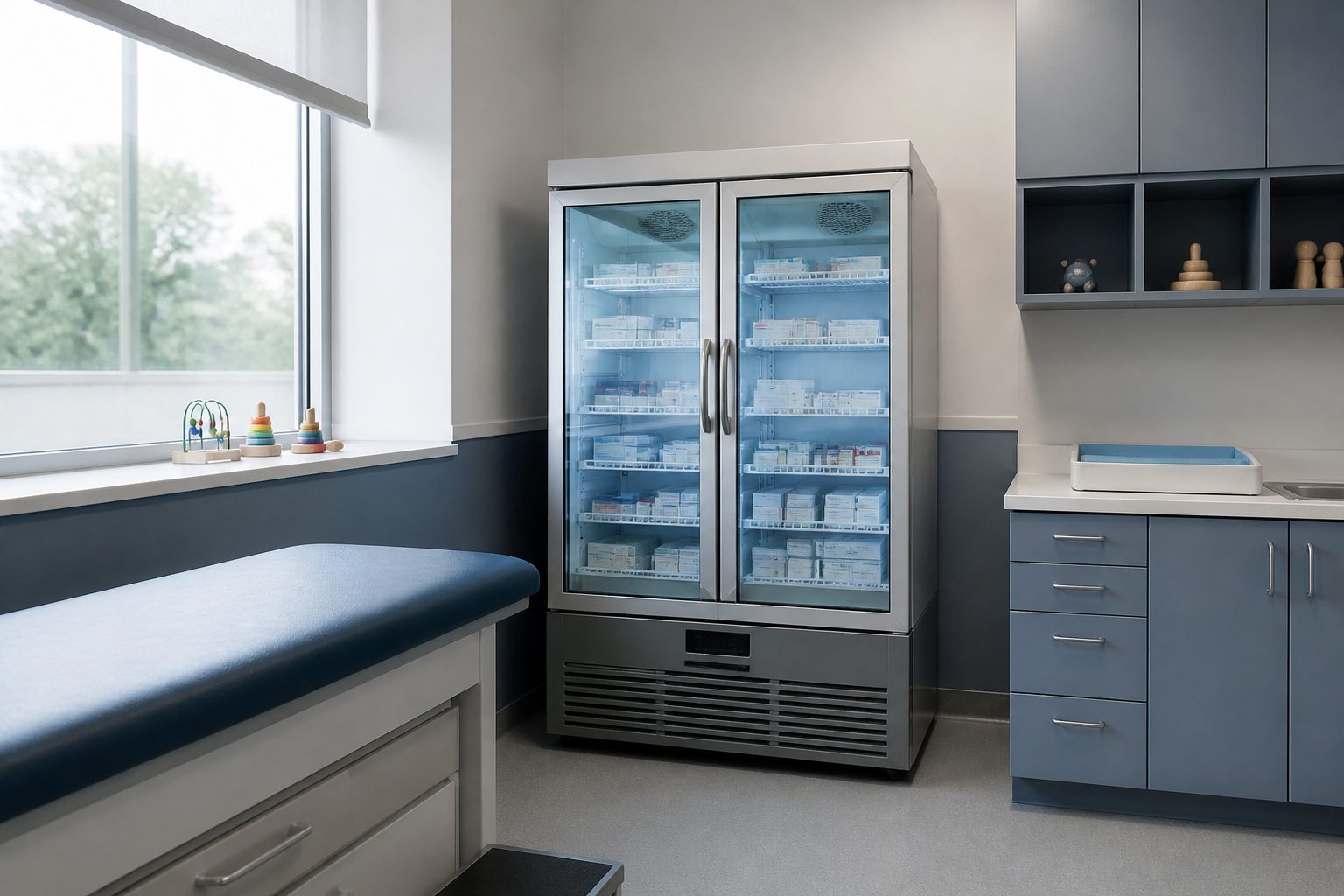
The DTaP vaccine—protecting against diphtheria, tetanus, and pertussis (whooping cough)—is part of Italy’s standard childhood immunisation schedule. For most families, DTaP vaccination is free at public health clinics, but private clinics and international patients may pay $30-$90 per dose.
This guide explains DTaP vaccine prices for children in Italy, what is included, where to get vaccinated, and how to access affordable paediatric immunisation care. It also covers the Italian vaccination schedule, hidden costs, and practical planning for families living in or visiting Italy.
Who needs the DTaP vaccine in Italy?
The DTaP vaccine is a key component of Italy’s national immunisation programme and is recommended for all children, regardless of nationality or background. The vaccine protects against three potentially life-threatening diseases: diphtheria, tetanus, and pertussis (whooping cough). Italian law makes DTaP vaccination compulsory for children enrolling in nursery (asilo nido), preschool (scuola dell’infanzia), and primary school (scuola primaria). Without proof of vaccination, children may be denied enrolment in these educational institutions.
The standard vaccination schedule in Italy starts at two months of age, with the first dose of DTaP usually administered as part of a combination vaccine (often the hexavalent vaccine). Subsequent doses are given at four and six months, with booster shots provided later in childhood according to national guidelines. This ensures ongoing protection as your child grows and enters school. For children who have missed one or more doses, or who have medical conditions that delayed vaccination, Italian health authorities provide a catch-up schedule tailored to the child’s age and health status.
International families, expatriates, and visitors who plan to stay in Italy for an extended period are also encouraged—and in many cases required—to follow the national immunisation schedule. Access to DTaP vaccination is available through both the public health system and private paediatric clinics. Regardless of where the vaccine is administered, official documentation is necessary for school admission and may be requested for participation in group activities or for travel. If your child has a medical exemption, you will need to provide a certified statement from a qualified physician, which must be submitted to the school or relevant authorities. Staying up to date with DTaP vaccination is not only a legal requirement in Italy, but also a critical step in protecting your child’s health and the broader community.
The Italian DTaP vaccination schedule for children
Italy follows a standard DTaP vaccination schedule, in line with recommendations from the Italian Ministry of Health and the World Health Organization. The schedule for healthy infants is as follows:
- First dose: 2 months
- Second dose: 4 months
- Third dose: 6 months
- First booster: 5-6 years (with dTaP, a lower-dose formulation)
In many cases, DTaP is given as part of a combination vaccine (such as the hexavalent vaccine, which also covers polio, Haemophilus influenzae type b, and hepatitis B). This approach reduces the number of injections needed. Children who start late or have missed doses may follow a catch-up schedule, which can be arranged at public health clinics or with a paediatrician.
How much does the DTaP vaccine cost in Italy?
For children registered with the Italian National Health Service (Servizio Sanitario Nazionale, SSN), DTaP vaccination is provided free of charge as part of the compulsory immunisation programme. This includes both Italian citizens and legal residents, such as families with a permesso di soggiorno (residence permit).
For international visitors, expatriates without public health coverage, or those opting for private clinics, DTaP vaccine prices range from $30-$90 (about €28-€85) per dose. This price usually includes the vaccine and administration fee, but may not cover a full paediatric consultation or other vaccinations given at the same time.
Private prices are higher in large cities (Rome, Milan, Florence) and at international clinics serving expatriate families. Some clinics offer package deals for multiple doses or combination vaccines, which may reduce the per-dose cost.
What is included in the price?
When considering the price of DTaP vaccination for children in Italy, it’s important to distinguish between what’s included at public versus private clinics. At public ASL (Azienda Sanitaria Locale) clinics, the DTaP vaccine is fully covered for children who are residents or otherwise eligible for the Italian National Health Service (SSN). This means the vaccine itself, its administration by a qualified nurse or doctor, and the official documentation required for school or travel are all provided at no cost. The process is streamlined and designed to ensure broad access, with no hidden fees for standard appointments.
- The DTaP vaccine dose: Whether given as a standalone vaccine or as part of a combination product (such as the hexavalent vaccine, which includes DTaP plus polio, hepatitis B, and Hib), the cost of the vaccine itself is included.
- Professional administration: The injection is given by a licensed nurse or physician, ensuring proper handling and safety. At public clinics, there is no separate fee for this service. In private clinics, it is generally bundled into the quoted price.
- Basic vaccination certificate: After administration, you’ll receive an official vaccination record or certificate, which is required for school enrolment and sometimes requested for travel or immigration purposes. At public clinics, this is always included; at private clinics, a basic certificate is standard, but more specialized documentation (such as translations) may cost extra.
However, there are services that are not always included in the quoted price, especially at private clinics. These can include a full paediatric consultation (if your child is a new patient), additional vaccines (such as MMR or meningitis), and home visits. Some clinics also charge a one-time registration fee, particularly if you are not already on their patient list. When comparing prices between different clinics or providers, always request a detailed breakdown of what is included and clarify whether there are extra fees for certificates, translations, or additional doses. This will help you avoid unexpected expenses and ensure you receive all necessary documentation for your child’s needs.
Data table: DTaP vaccine costs for children in Italy and other countries
| Country | Public sector (per dose) | Private sector (per dose) | Notes |
|---|---|---|---|
| Italy | Free | $30-$90 (≈€28-€85) | Free for residents via SSN; private price varies by city/clinic |
| United States | Free (VFC eligible) | $40-$120 | VFC covers low-income children; private insurance may cover |
| United Kingdom | Free (NHS) | £45-£95 ($55-$115) | Free for residents; private clinics cost more |
| India | Free (public hospitals) | $8-$28 (₹700-₹2,300) | Private price varies by city |
| Bangladesh | Free (EPI) | $8-$18 | Private price in urban clinics |
| Indonesia | Free (public clinics) | $15-$35 | Available at puskesmas and private hospitals |
| Philippines | Free (DOH) | $10-$25 | Private clinics and hospitals |
| Germany | Free (statutory insurance) | $45-$95 (€40-€85) | Private price for non-insured |
| France | Free (public sector) | $40-$100 (€37-€92) | Private clinics and pharmacies |
Hidden costs and what is not included
Although Italy’s public health system offers DTaP vaccination free of charge for all eligible resident children, there are several hidden costs and exclusions that families—especially international residents and those seeking private care—should be aware of. Understanding these potential extra fees can help you avoid surprises and plan your budget more accurately.
- Initial paediatric consultation: Private clinics in Italy often require a preliminary consultation before administering the vaccine, with fees typically ranging from $40 to $120 depending on the city, clinic reputation, and whether the doctor speaks English or another foreign language. This fee may not be included in the advertised vaccination price.
- Combination vaccine surcharge: Many clinics use combination vaccines (such as hexavalent or pentavalent vaccines, which protect against additional diseases alongside DTaP). These can incur a surcharge because the vaccine itself is more expensive and may involve more complex handling or storage requirements.
- Travel certificate or translated documentation: If you need official documentation for use abroad, such as for school entry or embassy requirements, some clinics charge extra for preparing travel certificates or providing translations into English or other languages. Fees for this service can vary widely, from €10 to €40 or more.
- Home vaccination service: For added convenience, some families request that a nurse or doctor administer the vaccine at home. This service is not standard and can significantly increase the total cost, sometimes adding €50–€100 to the bill, depending on distance and provider.
It’s important to note that Italian pharmacies rarely sell DTaP vaccines directly to parents for home administration. By law, vaccines must be given by a qualified healthcare professional, either at a clinic or during an authorized home visit. Always ask for a detailed invoice that itemizes all charges, and check with your health insurance provider—whether Italian or international—to see if any of these costs are eligible for reimbursement. In some cases, private insurance will only cover the vaccine itself, not the associated consultation or documentation fees, so clarifying these details in advance is crucial.
How to access DTaP vaccination in Italy
Accessing the DTaP vaccine in Italy depends on your residency status and whether you prefer public or private healthcare options. For Italian residents, the standard route is through the local ASL (Azienda Sanitaria Locale) public health clinics, which are distributed throughout every region. These clinics provide vaccinations as part of the national immunisation schedule, and you will need to bring your child’s health card (tessera sanitaria) and their vaccination booklet (libretto vaccinale). In most regions, appointments are required, especially in larger urban centres like Rome, Milan, or Florence, where demand can be high. You can book these appointments by phone, online via the ASL website, or in person at the clinic’s reception desk.
For international families, access to public vaccination depends on your registration with the Servizio Sanitario Nazionale (SSN), Italy’s national health service. If you have registered and obtained a tessera sanitaria, your child is eligible for free DTaP vaccination at public clinics, just like Italian citizens. If you are not eligible for SSN coverage, you can still obtain the vaccine through private paediatric clinics or international medical centres. These facilities often cater to expatriates and tourists, and many offer services in English or other languages. Private clinics may also be more flexible in scheduling and can provide detailed vaccination documentation in English, which is useful for families planning to move or travel abroad. The cost at private clinics varies, so it’s wise to compare prices and services.
Some international schools in major Italian cities coordinate directly with local health authorities to organise on-site vaccination days. These events can be particularly convenient for expatriate families, as they provide access to required vaccines and official documentation in a familiar setting. Regardless of which route you choose, always ensure that the provider is accredited and that you receive an official vaccination certificate for your records. If you are temporarily in Italy, check with your embassy or consulate for further guidance on accessing vaccinations and obtaining the necessary paperwork for your home country.
How to save safely on DTaP vaccination
Saving money on DTaP vaccination in Italy is possible, but it’s important to do so without compromising safety or legal requirements. If your child is eligible for public healthcare through the Servizio Sanitario Nazionale (SSN), always use the local ASL clinics, where the vaccine and its administration are completely free. This applies to both Italian citizens and international residents who have registered with the SSN. Taking advantage of the public system is the most reliable way to avoid unnecessary costs and ensure that your child’s vaccination records are recognized for school, travel, and other official purposes.
If you must use private healthcare—perhaps because you are not yet registered with the SSN, or you require services in another language—there are still ways to manage costs. Start by comparing prices at different clinics, as fees can vary significantly between providers, especially in major cities versus smaller towns. Ask if the clinic offers savings for multi-dose packages, such as paying upfront for all scheduled doses, or if combination vaccines (like the hexavalent vaccine) are more cost-effective than separate injections. Some private clinics also provide discounts for siblings or for scheduling multiple routine immunisations during the same visit, which can reduce both the overall cost and the number of appointments required.
It’s essential to avoid offers from unlicensed providers or non-medical facilities, even if the price seems attractive. Only vaccinations administered by authorised clinics or doctors are legally valid for school and travel documentation in Italy. If you are temporarily in Italy, check with your home country’s insurance provider to see if they reimburse overseas vaccinations, or if there are international health plans that cover these costs. For expatriates planning a longer stay, consider obtaining an Italian health card (tessera sanitaria) as soon as possible to access the public system and minimize out-of-pocket expenses. Always request detailed receipts and official vaccination certificates, regardless of where you receive the vaccine, to ensure your child’s immunisation status is properly documented and recognized.
What to expect at the appointment
At the vaccination appointment, a nurse or doctor will check your child’s health status, explain the vaccine, and record the dose in your child’s vaccination booklet. You will be asked about allergies or previous reactions. The injection is usually given in the thigh or upper arm, depending on age. After administration, you may be asked to wait 10-15 minutes to monitor for any immediate reactions.
Bring your child’s health documents and vaccination history. If you need an English-language certificate for school or travel, request this at the time of appointment. Most children tolerate the DTaP vaccine well; side effects are usually mild and include soreness at the injection site or mild fever. Your paediatrician will advise on aftercare if needed.
Choosing between public and private vaccination
For most families resident in Italy, public clinics are the best option: DTaP vaccination is free, documentation is official, and staff are experienced. Private clinics may be preferred by international families, those needing English-speaking staff, or those with complex schedules. Private clinics generally offer shorter wait times and more flexible appointment hours.
If you are not eligible for free public vaccination, compare private clinic prices and confirm what is included. Ask about the type of vaccine (standalone DTaP or combination), language of documentation, and whether follow-up doses can be scheduled at the same clinic. Some families use a mix of public and private care depending on convenience and budget.
Frequently asked questions
Is the DTaP vaccine mandatory for children in Italy?
Yes, DTaP vaccination is compulsory for children in Italy and is required for school and nursery enrolment. The vaccine is part of the national immunisation schedule, and proof is checked by educational institutions.
Are international children eligible for free DTaP vaccination in Italy?
Children with legal residency and registered with the Italian National Health Service (SSN) can access free DTaP vaccination. Short-term visitors or those without SSN coverage usually pay private clinic rates.
Can I choose between DTaP and combination vaccines for my child?
In Italy, DTaP is often given as part of a combination vaccine (such as hexavalent). Some clinics may offer standalone DTaP, but most follow the national schedule using combinations to minimise injections.
What documentation is provided after DTaP vaccination?
You will receive an updated vaccination booklet (libretto vaccinale) and, if requested, a certificate for school or travel. Private clinics can often provide this in English or another language if needed.
How can I confirm that a private clinic is authorised to give DTaP vaccines?
Look for clinics with licensed paediatricians or family doctors. Many display accreditation from local health authorities. Ask for a receipt and official documentation for your records.
Related guides
Disclaimer: Prices and information in this article are indicative and may vary by case, clinic, and location. Always confirm costs with your chosen provider, request a written quote, and consult a qualified paediatrician for medical decisions.