
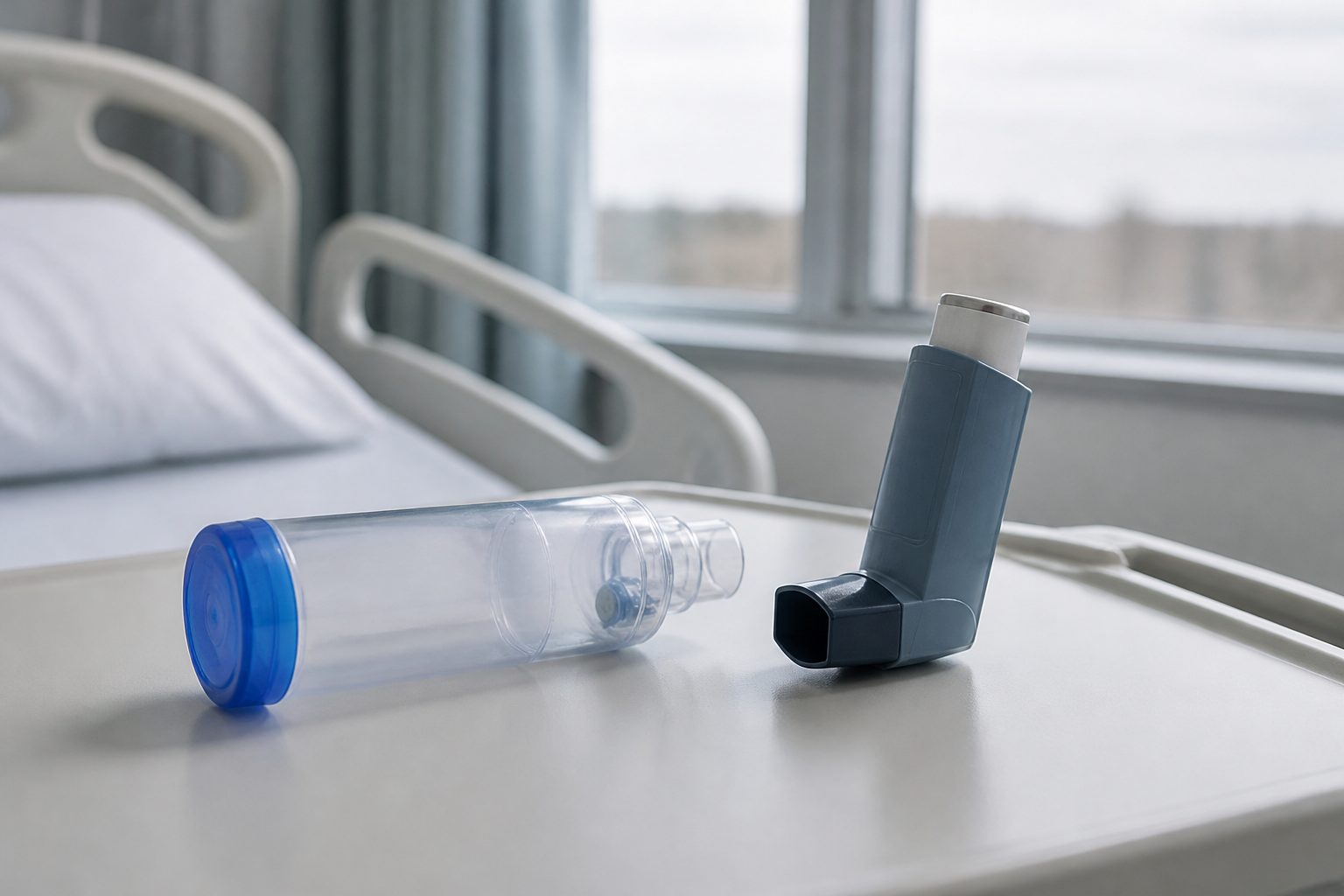
Families seeking childhood asthma treatment in Pakistan can expect annual costs ranging from $250 to $1,200 (PKR 70,000–340,000) for routine care, with additional expenses for hospital admissions or emergency interventions. This guide is for parents and caregivers comparing options for diagnosing, treating, and managing asthma in children in Pakistan’s leading hospitals and clinics.
We detail what typical treatment includes, what is and isn’t covered in quoted prices, and how costs compare with other countries. You’ll find practical advice on choosing a provider, understanding hidden charges, and ensuring your child receives safe, effective asthma care.
What does childhood asthma treatment involve?
Asthma in children is a chronic respiratory condition that requires ongoing management. Treatment usually combines regular consultations with a paediatrician or paediatric pulmonologist, diagnostic tests (such as spirometry or allergy testing), daily use of controller medications (usually inhaled corticosteroids), and quick-relief inhalers for acute symptoms. Severe cases may require additional therapies or hospitalisation during attacks.
In Pakistan, asthma management for children typically involves:
- Initial diagnosis and assessment (consultation, lung function tests, allergy tests)
- Prescription medications (inhaled steroids, bronchodilators, nebulisers, spacers)
- Regular follow-up visits (every 1–3 months)
- Occasional hospital admissions for severe attacks
- Patient and family education on asthma triggers and inhaler use
Costs depend on the type and frequency of services, the hospital or clinic chosen, the severity of the child’s asthma, and whether private or government facilities are used.
Typical costs at top children’s hospitals and clinics
Pakistan offers a range of healthcare options, from public hospitals with subsidised fees to private clinics and internationally accredited children’s hospitals. The cost of diagnosis and ongoing treatment varies widely:
- Initial specialist consultation: $12–$35 (PKR 3,400–10,000) in private facilities
- Basic diagnostic tests (spirometry, allergy panel): $35–$100 (PKR 10,000–28,000)
- Inhaled corticosteroids (per month): $10–$25 (PKR 2,900–7,000)
- Reliever inhaler (per unit): $4–$8 (PKR 1,100–2,300)
- Nebuliser machine (one-time): $30–$60 (PKR 8,600–17,000)
- Spacer (one-time): $12–$25 (PKR 3,400–7,000)
- Routine follow-up visit: $8–$20 (PKR 2,300–5,700)
- Emergency room visit: $30–$100 (PKR 8,600–28,000)
- Hospital admission (2–3 days): $120–$350 (PKR 34,000–100,000)
Public hospitals may charge much less, but waiting times and access to paediatric specialists can be an issue. Private hospitals and clinics usually offer faster access, English-speaking staff, and more comprehensive patient support services.
Cost comparison: Pakistan and other countries
How do childhood asthma treatment costs in Pakistan compare to other countries? Below is a summary table of typical annual costs for ongoing care (including consultations, medications, and occasional hospital care) in several countries with large medical-travel audiences.
| Country | Annual cost (USD) | What’s included |
|---|---|---|
| Pakistan | $250–$1,200 (PKR 70,000–340,000) | Consultations, tests, inhalers, basic hospital care |
| India | $350–$1,400 (₹29,000–115,000) | Consultations, tests, inhalers, hospital visits |
| Bangladesh | $200–$1,000 (BDT 22,000–110,000) | Consultations, basic diagnostics, inhalers |
| Indonesia | $400–$1,600 (IDR 6–24 million) | Specialist visits, inhalers, hospital admissions |
| Philippines | $300–$1,200 (PHP 16,000–65,000) | Doctor visits, medication, limited hospital care |
| US | $2,500–$5,000 | Consultations, inhalers, ER visits, hospital care |
| UK (NHS) | Low/Free | Most care covered for residents |
| UAE | $1,200–$3,000 (AED 4,400–11,000) | Specialist care, medications, hospital admissions |
Costs in Pakistan are relatively affordable compared to many countries, especially for those paying out of pocket. However, actual expenses depend on the type of facility and the child’s specific needs.
What is included in quoted prices?
When you receive a price quote for childhood asthma treatment from a hospital or clinic in Pakistan, it’s important to break down exactly what services and items are included to avoid unexpected expenses. Typically, routine asthma care packages or standard pricing in both private and public settings will cover:
- Initial consultation: A comprehensive assessment with a paediatrician or paediatric pulmonologist, which may include taking a detailed medical history and physical examination.
- Basic diagnostics: Standard tests such as spirometry (to measure lung function) and basic allergy testing are often included in the initial or annual cost. These help in confirming the asthma diagnosis and identifying potential triggers.
- Inhaled medications: Most quotes include the cost of one controller inhaler (for daily use) and one reliever inhaler (for symptom relief) per month. These are the cornerstone of asthma management and are typically prescribed for ongoing use.
- Routine follow-up visits: Packages usually cover three to six follow-up visits per year, allowing the doctor to monitor your child’s progress, adjust medications, and provide ongoing advice.
- Educational support: Many hospitals now offer structured education sessions for children and families, teaching inhaler technique, trigger avoidance, and emergency response steps.
However, several important costs are often not included in these standard packages. Emergency room visits, hospital admissions for severe asthma attacks, and advanced diagnostic tests—such as chest X-rays, high-resolution CT scans, or comprehensive allergy panels—are usually billed separately. Non-standard or imported medications, immunotherapy, and specialist consultations (such as with an allergist or immunologist) may also incur additional charges.
Furthermore, some hospitals or clinics may charge extra for equipment like spacers, nebulisers, or peak flow meters, which can be essential for effective home management. Home delivery services for medicines, if offered, are typically not part of the quoted price. To avoid surprises, always request a detailed, written breakdown of what is included in your quote and clarify the cost of any optional or add-on services. This transparency will help you plan your budget more accurately and ensure your child receives all necessary care without interruption.
Hidden costs to watch for
While the primary costs of childhood asthma care in Pakistan are relatively predictable, families should be aware of several potential hidden or extra expenses that may not be disclosed upfront. These can significantly increase the total cost of managing your child’s asthma, especially in cases of severe or poorly controlled disease. Key hidden costs include:
- Emergency admissions: When a child experiences a severe asthma attack requiring hospitalisation, the costs can escalate quickly. Intensive care stays, oxygen therapy, and additional medications can cost between $200–$800 (PKR 57,000–230,000) per episode, depending on the hospital, length of stay, and the complexity of care required.
- Advanced diagnostic tests: For children with atypical symptoms or complications, doctors may recommend additional tests such as chest X-rays, blood work, or CT scans. Each of these tests can add $30–$120 (PKR 8,600–34,000) to your bill, and may be needed more than once a year in complex cases.
- Specialist referrals: If your child’s asthma is linked to allergies or immune issues, referrals to allergists or immunologists may be necessary. These consultations typically cost $20–$50 (PKR 5,700–14,000) per visit, and are often not included in routine asthma care packages.
- Home nebuliser therapy: Some children require a nebuliser for medication delivery, particularly during acute episodes or if they are very young. The initial purchase of a nebuliser and ongoing replacement of masks and tubing can add to your annual expenses. Prices vary by brand and quality, but expect to pay extra for these devices.
- Missed work and travel: Parents may need to take time off work to care for a sick child or attend frequent appointments. Transport costs, especially in large cities where traffic congestion is common, can also add up. If you live far from a hospital with paediatric expertise, travel and accommodation may be additional considerations.
To prevent budget surprises, always ask your healthcare provider for a comprehensive, written estimate that outlines not just the standard care costs but also the potential additional expenses based on your child’s specific situation. Being aware of these hidden costs allows you to plan more effectively and seek out support or financial assistance if needed.
How to save money safely
There are several ways to manage childhood asthma costs in Pakistan without compromising on safety or quality:
- Use government or teaching hospitals for initial diagnosis and routine care, where fees are subsidised.
- Buy generic medications from reputable pharmacies to reduce monthly costs (always check with your doctor before switching brands).
- Ask about hospital asthma education programs, which may be free or low-cost and can reduce emergency visits by improving daily management.
- Some private hospitals offer package rates for chronic disease management, including a set number of visits and medicines per year.
- If you have health insurance, check your policy for paediatric asthma coverage, as some plans exclude chronic conditions or cap annual claims.
Never skip essential follow-up visits or delay buying prescribed medicines to save money, as this can lead to costly emergencies.
Choosing the right hospital or clinic
Selecting the most appropriate hospital or clinic for your child’s asthma care in Pakistan involves weighing several important factors that can directly influence both the quality of care and the overall cost. Here’s what to consider as you make your decision:
- Paediatric expertise: Opt for hospitals or clinics with dedicated paediatric pulmonologists or established asthma clinics. These specialists are better equipped to diagnose, monitor, and adjust treatment plans for children, and can provide tailored education for families. Large private hospitals in Karachi, Lahore, and Islamabad often have experienced paediatric teams, while some public hospitals may have limited paediatric respiratory services.
- Accreditation: Look for facilities accredited by reputable organisations, such as the Joint Commission International (JCI) or Pakistan’s National Accreditation Board for Hospitals (NABH). Accreditation is an indicator of adherence to quality standards, patient safety protocols, and up-to-date clinical practices.
- International patient support: Many private hospitals in major Pakistani cities offer services for international or expatriate patients, including English-speaking coordinators, transparent billing processes, and assistance with insurance claims. This can be especially helpful for families who may not be fluent in Urdu or who require clear communication about costs and procedures.
- Emergency care: Ensure that your chosen hospital can provide 24/7 emergency services, including paediatric intensive care units (PICUs) for severe asthma attacks. Quick access to emergency care can be lifesaving and may reduce the risk of complications or extended hospital stays.
- Location: Proximity to your home is crucial, especially in cities known for heavy traffic congestion. In an acute episode, being close to a hospital can make a significant difference in outcomes and reduce travel-related stress and costs.
When evaluating hospitals or clinics, ask about their fee structures—some offer package deals for routine asthma management, while others may allow payment plans to ease the financial burden. Also inquire whether the facility provides asthma education programs, counselling, or support groups for children and families. These services can help improve long-term outcomes and provide valuable peer support.
Finally, visit the facility if possible, meet the staff, and review their emergency protocols. A well-chosen healthcare provider not only ensures effective medical care but also helps families navigate the practical and financial aspects of managing childhood asthma in Pakistan.
Planning for ongoing care
Asthma is a long-term health condition that requires continuous management, making it essential for families to prepare for recurring expenses and logistical needs over many years. In Pakistan, this means not only budgeting for monthly medication and routine doctor visits, but also anticipating occasional emergencies, which can be both emotionally and financially taxing. Here are some practical steps to help you plan effectively:
- Budgeting: Set aside funds each month for your child’s prescribed inhalers, oral medications, and scheduled check-ups. Factor in the cost of periodic diagnostic tests and be prepared for higher expenses during seasonal changes or pollution spikes, which can trigger flare-ups.
- Asthma action plan: Work with your doctor to create a written asthma action plan tailored to your child. This plan should outline daily management, early warning signs, and clear steps to take in case of worsening symptoms or an asthma attack.
- Emergency readiness: Identify the nearest hospital or clinic with paediatric emergency services, and keep essential asthma medicines (such as reliever inhalers) accessible at all times. Make sure you have reliable transport options for urgent situations, especially if you live in areas with heavy traffic or limited ambulance availability.
- Insurance review: Each year, review your health insurance coverage (if available). Some private insurance policies in Pakistan may cover part of the cost for medications, consultations, or hospital admissions, but exclusions and reimbursement limits are common. Clarify these details with your insurer to avoid surprises.
- School and caregiver communication: Notify your child’s school and any regular caregivers about their asthma management needs. Provide them with a copy of the asthma action plan and ensure they know how to respond in case of an emergency. Some schools in larger cities have trained staff and medical rooms equipped to handle asthma attacks.
Maintaining good asthma control through regular follow-ups, adherence to medication, and ongoing education can significantly reduce the risk of hospitalisation and related costs. Stay in close contact with your healthcare team, attend educational sessions when offered, and update your child’s management plan as they grow and their needs change. Proactive planning not only helps control expenses but also ensures your child enjoys a healthier, more active life.
Bottom line: What to expect
For families in Pakistan, the cost of ongoing childhood asthma treatment can vary significantly depending on several concrete factors, including the choice between public and private healthcare, the severity of the child’s condition, and the frequency of emergency episodes. In private hospitals and clinics, annual costs for managing a child’s asthma typically range from $250 to $1,200 (PKR 70,000–340,000). This cost bracket generally covers routine doctor visits, inhalers (both controller and reliever types), periodic lung function tests, and educational consultations. However, it’s important to note that these figures can increase considerably if the child experiences frequent or severe asthma attacks that require emergency care or hospital admission—each such episode can add hundreds of dollars to the yearly total.
Public hospitals and government clinics in Pakistan offer much lower direct costs, sometimes charging only nominal fees for consultations and medications. However, families may encounter longer waiting times, limited access to paediatric specialists, and less personalised attention. The trade-off between affordability and quality of care is a crucial consideration, especially in larger cities like Karachi, Lahore, and Islamabad, where private facilities are more prevalent and often better equipped for paediatric asthma management.
Regardless of the setting, always request an itemised estimate before starting treatment. Confirm which services and medications are included in the quoted price—some facilities offer bundled packages, while others bill separately for diagnostics, medications, and follow-up visits. Inquire about additional charges for emergency care, advanced testing, or devices such as nebulisers and spacers. Understanding these details upfront helps families avoid unexpected bills and plan their finances more effectively.
Ultimately, the total cost will depend on your child’s specific needs, the chosen healthcare provider, and how well asthma is controlled throughout the year. Proactive management and clear communication with your medical team can help keep costs predictable and ensure your child receives the best possible care.
Frequently asked questions
How often should my child see a doctor for asthma?
Children with asthma typically need to see their doctor every 1–3 months for routine monitoring and medication adjustments. More frequent visits may be required if symptoms worsen or if the asthma is not well controlled.
Are inhalers and medicines included in treatment packages?
Some hospitals offer annual asthma care packages that include a set number of consultations and standard inhalers. However, not all packages cover the full cost of medications, and extra or brand-name drugs may cost more. Always check details with the provider.
Can I use government hospitals for asthma care?
Yes, government and teaching hospitals in Pakistan provide affordable asthma diagnosis and treatment, often at much lower cost than private clinics. However, there may be longer waiting times and less individual attention than in private settings.
Does health insurance cover childhood asthma treatment?
Some insurance plans in Pakistan cover paediatric asthma, but many exclude chronic conditions or have annual limits. Always review your policy carefully and ask your insurer about specific inclusions and exclusions for asthma care.
What should I do if my child has a severe asthma attack?
If your child develops severe breathing difficulty, wheezing, or cannot speak in full sentences, seek emergency care immediately. Most major cities have 24/7 emergency departments that can provide urgent treatment and hospital admission if needed.
Related guides
Disclaimer: Prices in this article are indicative and may vary by hospital, city, and the child’s individual needs. Always request a written estimate and consult a qualified paediatrician for personalised advice and treatment planning.