
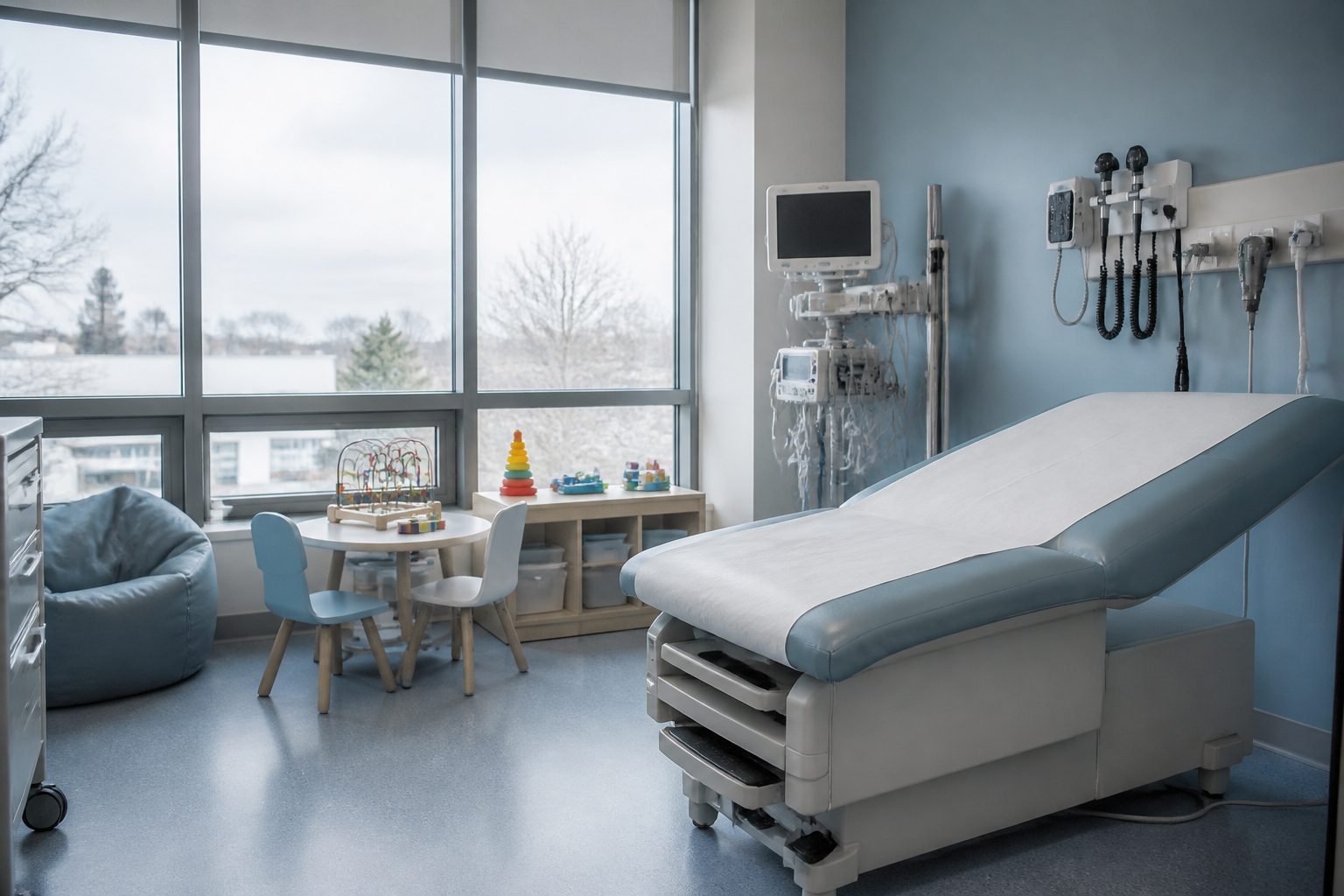
Families considering child diabetes care in Germany will find a combination of advanced medical expertise, dedicated paediatric diabetes centres, and transparent pricing. Annual out-of-pocket costs for uninsured international patients typically range from $3,000–$8,000 (approx. €2,800–€7,400), depending on the complexity of care, the technology used, and the hospital chosen.
This article explains what is included in these costs, how Germany’s best children’s hospitals manage paediatric diabetes, and what international families should expect for screening, ongoing management, and related child health expenses.
Overview of child diabetes care in Germany
Germany is a leading destination for paediatric diabetes care in Europe, known for its specialised children’s hospitals and a strong network of diabetes centres. Children with type 1 diabetes (the most common form in young patients) benefit from comprehensive care, including regular endocrinologist visits, diabetes education, insulin therapy, and modern monitoring technology. Many hospitals offer English-speaking staff and international patient coordinators, making the process more accessible for families from abroad.
Costs vary depending on whether care is provided in a university children’s hospital, a private clinic, or a specialised paediatric diabetology centre. Most families pay annual fees for regular consultations, diabetes education, laboratory tests, and insulin supplies. Technology such as insulin pumps or continuous glucose monitors (CGMs) is widely available but adds to the overall cost. Hospitalisation for emergencies or new diagnosis is an additional, separate expense.
What is included in the cost of child diabetes care?
In Germany, the cost of paediatric diabetes care typically encompasses a comprehensive set of medical, educational, and supportive services, reflecting the country’s high standards for chronic disease management. The exact package and pricing can vary between public and private healthcare providers, and also depends on whether the family is covered by statutory health insurance, private insurance, or is self-paying (as is often the case for international patients).
- Consultations: Regular appointments with a paediatric diabetologist are included, covering initial assessment, ongoing monitoring, and management of therapy adjustments. Follow-up visits are usually scheduled every 3–6 months, with additional consultations as needed for acute issues.
- Diabetes education: Structured education sessions, either in group settings or individually, are a cornerstone of German diabetes care. These sessions teach children and their families about blood sugar monitoring, insulin administration, dietary management, and recognising complications. Education is often provided by certified diabetes educators or nurses, and refresher courses are available annually or when treatment changes.
- Laboratory tests: Routine lab work, such as HbA1c (glycated haemoglobin), fasting blood glucose, kidney function tests (urine microalbumin), and lipid profiles, are part of the standard care bundle. These are generally performed every 3–6 months.
- Insulin therapy: The cost of insulin (pens, vials, or cartridges) and standard injection supplies is included in most care packages. If an insulin pump is medically indicated, initial training and basic pump supplies may be covered, but the device itself and advanced consumables are typically billed separately.
- Diabetes supplies: Basic supplies such as syringes, pen needles, blood glucose test strips, and lancets are provided as part of ongoing care. The quantity allocated may depend on the child’s treatment regimen and insurance coverage.
- Dietitian/nutritionist support: Access to a registered dietitian is standard, with regular reviews to tailor meal plans and address nutritional challenges unique to diabetic children.
- Psychological counselling: Many centres include access to a psychologist or counsellor, recognising the emotional and social stress that diabetes can place on children and families. Sessions may be offered routinely or upon request.
Advanced technology such as continuous glucose monitoring (CGM) systems or insulin pumps is often excluded from basic care packages for international or self-pay patients. These devices can add several hundred to a few thousand euros per year to the overall cost, depending on the model and frequency of sensor changes. Emergency care, inpatient stays for new-onset diabetes, or management of severe complications (such as ketoacidosis) are also not included in routine care and are billed separately, with hospitalisation costs varying widely by location and length of stay.
For families considering care in Germany, it is essential to request a detailed, itemised quote from the provider and clarify what is included in the quoted price versus what will incur extra charges. This transparency helps with financial planning and ensures there are no surprises during the course of treatment.
Leading children’s hospitals and diabetes centres
Germany is home to several world-renowned children’s hospitals and diabetes centres, each offering a high standard of care for young patients with diabetes. Leading institutions such as the Charité in Berlin, University Hospital Heidelberg, and Dr. von Hauner Children’s Hospital in Munich are recognised for their expertise in paediatric endocrinology and diabetology. These hospitals are typically affiliated with major universities and research institutes, ensuring access to the latest medical advances and clinical trials.
These centres provide multidisciplinary care, combining expert medical management with diabetes education, nutritional counselling, and psychological support. Many are certified by the German Diabetes Association (DDG) for paediatric diabetes care, which guarantees adherence to national quality standards, regular staff training, and continuous quality improvement initiatives. Families can expect coordinated care pathways that address both the medical and psychosocial aspects of living with diabetes.
For international patients, most large hospitals offer English-speaking coordinators and dedicated international offices. These teams assist with appointment scheduling, interpretation services, and billing, making the process smoother for families unfamiliar with the German healthcare system. Some hospitals also have partnerships with international insurance providers, which can streamline payment and reimbursement procedures.
Private diabetes clinics and outpatient centres in cities like Frankfurt, Hamburg, and Düsseldorf offer high-quality care with shorter waiting times and a more personalised approach. However, these advantages come at a higher cost, and not all private centres are equipped to handle complex or rare diabetes cases. For children with complicated medical histories, multiple chronic conditions, or who require advanced technology (such as insulin pumps or CGM), university hospitals are generally the best choice due to their specialist teams and experience managing challenging cases.
When choosing a centre, families should consider factors such as the hospital’s experience with international patients, access to paediatric subspecialists, availability of advanced diabetes technology, and the presence of support services like education and psychosocial care. It is advisable to contact the hospital’s international office in advance to discuss specific needs and to request a detailed overview of services, staff qualifications, and cost estimates.
Vaccination schedules and prices for children with diabetes
Children with diabetes in Germany follow the national vaccination schedule, which is closely aligned with World Health Organization (WHO) and European Centre for Disease Prevention and Control (ECDC) recommendations. Key vaccines include MMR (measles, mumps, rubella), DTP (diphtheria, tetanus, pertussis), polio, pneumococcal, meningococcal, and annual influenza shots—especially recommended for diabetic children.
Vaccination costs for international patients are mostly paid out of pocket, as insurance coverage may not apply. Prices per dose (in major hospitals and clinics):
- MMR: $40–$60 (approx. €37–€55)
- DTP: $35–$50 (approx. €32–€46)
- Pneumococcal: $70–$100 (approx. €65–€93)
- Influenza: $25–$40 (approx. €23–€37)
- Meningococcal: $80–$120 (approx. €74–€112)
Some hospitals offer bundled vaccination packages at a slight discount. Administration fees may apply, typically $15–$30 (approx. €14–€28) per visit.
Newborn screening and early diabetes detection
Germany’s approach to newborn screening is among the most comprehensive in Europe, with mandatory panels that test for more than a dozen serious metabolic and genetic conditions. However, routine screening for type 1 diabetes is not included in the standard national programme. This is largely because type 1 diabetes is considered an autoimmune disorder that typically develops later in childhood, and early detection through newborn screening is not yet standardised.
For families with a known high genetic risk—such as siblings or children of parents with type 1 diabetes—some hospitals and private laboratories offer additional autoantibody screening. This specialised test can identify early markers that indicate an increased risk of developing diabetes, but it is not universally available and must usually be requested separately. The typical cost for the standard newborn screening panel is $150–$250 (approx. €140–€230) for families who are not covered by German statutory insurance or who are paying privately. If diabetes-specific autoantibody screening is added, expect to pay an additional $80–$120 (approx. €74–€112), with prices varying by laboratory and location.
For older infants and children, early detection of diabetes often occurs during routine paediatric check-ups, which are well integrated into the German healthcare system. The German paediatric check-up schedule (the U-Untersuchungen) includes multiple appointments during the first years of life, where growth, development, and general health are closely monitored. Paediatricians are trained to recognise early symptoms of diabetes, such as excessive thirst, frequent urination, and unexplained weight loss, and will promptly order blood glucose tests if diabetes is suspected.
Families relocating to Germany or those with a child at increased risk should proactively discuss screening options with their paediatrician or a specialist diabetologist. Some university hospitals and research centres participate in studies or offer pilot screening programmes for type 1 diabetes risk, particularly for children with a family history. It’s advisable to clarify the availability, cost, and clinical value of these tests before proceeding, as coverage and access can differ between regions and healthcare providers.
Child dental and eye care for diabetes patients
Children living with diabetes in Germany face a higher risk of developing dental and eye complications compared to their non-diabetic peers. Elevated blood sugar can lead to gum inflammation, tooth decay, and a greater chance of periodontal disease, while the risk of diabetic retinopathy increases over time. For this reason, regular, proactive dental and ophthalmological care is essential for early detection and management of these complications.
Most paediatric diabetes centres in Germany’s larger cities—including Berlin, Munich, and Hamburg—either provide in-house dental and eye care services or maintain strong referral networks with trusted local specialists. These clinics are accustomed to the specific needs of children with diabetes and can coordinate appointments to minimise disruption for families, especially those coming from abroad.
Cost factors for international patients reflect the type and frequency of care needed:
- Dental check-up: $60–$120 (approx. €55–€112) per visit, with costs varying by city and whether additional diagnostics (such as x-rays) are required.
- Professional dental cleaning: $80–$150 (approx. €74–€140) per session, often recommended every six months for diabetic children due to increased plaque build-up risk.
- Paediatric eye exam: $90–$180 (approx. €84–€168), with annual exams advised from age 10 or after 3–5 years of diabetes diagnosis. More frequent monitoring may be necessary if early signs of retinopathy are detected.
Additional procedures—such as fillings, orthodontic treatments, or advanced retinal imaging—are not included in the standard check-up fees. For example, a dental filling may cost an extra €60–€120, and retinal scans can add €50–€100 per session. It is important to confirm which services are covered by insurance or included in a clinic’s package pricing, especially for international or self-pay patients.
Parents should ensure their child’s diabetes management team communicates regularly with dental and eye care providers. In Germany, paediatricians and diabetologists often coordinate referrals and share medical records to ensure a holistic approach. For families relocating to Germany, it’s advisable to establish care with a clinic experienced in diabetes-related dental and eye issues, and to schedule both types of exams at least annually, or more frequently if recommended by specialists.
Cost comparison: child diabetes care in Germany and other countries
| Country | Annual diabetes care cost | Insulin pump (device only) | CGM (annual supplies) | Specialist visits included? |
|---|---|---|---|---|
| Germany | $3,000–$8,000 (approx. €2,800–€7,400) | $5,000–$7,500 (approx. €4,600–€7,000) | $2,500–$4,000 (approx. €2,300–€3,700) | Yes (in most packages) |
| USA | $5,000–$12,000 | $6,000–$9,000 | $3,000–$5,500 | Partial (varies by insurance) |
| UK | $0 (NHS, for residents) / $5,000–$10,000 (private) | $5,500–$8,000 | $2,800–$4,300 | Yes (NHS or private) |
| India | $1,200–$3,000 (₹1–2.5 lakh) | $2,000–$4,500 (₹1.7–3.7 lakh) | $1,200–$2,500 (₹1–2.1 lakh) | No (billed separately) |
| Philippines | $1,800–$4,000 (₱100,000–220,000) | $3,000–$6,000 (₱170,000–340,000) | $1,500–$3,000 (₱85,000–170,000) | No (billed separately) |
| Indonesia | $1,200–$2,800 (Rp 18–42 million) | $2,800–$5,500 (Rp 42–83 million) | $1,000–$2,200 (Rp 15–33 million) | No (billed separately) |
| Pakistan | $900–$2,200 (PKR 250,000–610,000) | $1,800–$3,800 (PKR 500,000–1,060,000) | $900–$1,800 (PKR 250,000–500,000) | No (billed separately) |
| Bangladesh | $1,100–$2,400 (৳120,000–265,000) | $2,200–$4,000 (৳240,000–440,000) | $1,100–$2,000 (৳120,000–220,000) | No (billed separately) |
These figures are for self-paying international patients and may not reflect insurance reimbursements or government subsidies. In Germany, most packages include regular specialist care, while in some countries, these are billed separately.
What drives the price of child diabetes care in Germany?
The total cost for paediatric diabetes care in Germany is shaped by several factors:
- Type of hospital: University and specialist children’s hospitals generally charge higher fees than general clinics, but offer more comprehensive services.
- Level of technology: Use of insulin pumps, CGMs, and digital tools increases costs significantly compared to standard insulin injections and finger-prick monitoring.
- Frequency of visits: Children with unstable diabetes may need more frequent endocrinologist appointments and lab tests.
- Support services: Inclusion of nutrition, psychology, and education sessions can add value but also cost.
- Emergency admissions: Hospital stays for new diagnosis or complications are extra and can be several thousand dollars per episode.
Families should ask for a detailed breakdown of what is included in quoted packages to avoid unexpected expenses.
How to choose a hospital or clinic for child diabetes care
Selecting the right hospital or clinic for a child with diabetes in Germany requires careful consideration of several important factors. The quality and scope of care can vary significantly between institutions, especially for international families who may have additional language or logistical needs.
- Certification: Prioritise centres accredited by the German Diabetes Association (Deutsche Diabetes Gesellschaft, DDG), especially those with a dedicated paediatric diabetology department. DDG certification ensures that the facility meets rigorous standards for staff training, patient education, and clinical outcomes.
- Multidisciplinary teams: The most effective diabetes care is delivered by multidisciplinary teams. Look for hospitals that integrate paediatric endocrinologists, diabetes educators, dietitians, psychologists, and social workers. This team approach supports not only medical management but also the emotional and educational needs of both the child and their family.
- Experience with international patients: Hospitals in Germany’s larger cities (such as Berlin, Munich, and Frankfurt) are more likely to have English-speaking staff, international coordinators, and experience handling the administrative aspects of cross-border care. These facilities can assist with translation, appointment scheduling, and navigating insurance or payment processes.
- Access to technology: Ask about the availability of advanced diabetes technology, including insulin pumps and continuous glucose monitoring (CGM) systems. Some clinics are recognised as centres of excellence for these devices and offer comprehensive training, troubleshooting, and ongoing support for families who choose them.
- Transparent pricing: Always request a detailed, itemised cost estimate before committing to care. This should specify what is included in the quoted price (e.g., consultations, tests, education) and what services will incur additional charges (such as emergency care, advanced devices, or hospital stays).
Practical steps for international families include contacting the hospital’s international office well in advance to discuss your child’s specific needs, medical history, and language requirements. It is also helpful to inquire about waiting times for appointments, the process for obtaining medical records, and whether telemedicine follow-up is available. Some hospitals may offer virtual consultations or pre-arrival planning to help ease the transition and ensure continuity of care.
Finally, consider seeking recommendations from patient associations or other expatriate families, as personal experiences can provide valuable insights into the day-to-day realities of care at different institutions.
Tips for planning and saving on child diabetes care in Germany
To manage costs and ensure the best care, families can consider the following:
- Bundled packages: Some hospitals offer annual care packages that include all routine visits, lab tests, and education at a fixed price.
- Compare device costs: Insulin pumps and CGMs can sometimes be purchased at lower prices through hospital partners or approved distributors.
- Plan for extras: Budget for dental, eye care, and vaccinations, as these are often not included in diabetes care packages.
- Check for financial aid: Some hospitals have social services that can advise on financial assistance for families with limited means.
- Travel and accommodation: Consider hospital guesthouses, which are often less expensive than hotels and located close to treatment centres.
Advance planning and clear communication with the hospital can help avoid unexpected bills and logistical challenges.
Frequently asked questions
How much does a year of child diabetes care cost in Germany for an international patient?
The typical annual cost for self-paying international patients ranges from $3,000 to $8,000 (approx. €2,800–€7,400), depending on the hospital, frequency of visits, and technology used. This covers regular consultations, education, lab tests, and standard supplies but excludes advanced devices and emergency admissions.
Are insulin pumps and CGMs included in the standard care package?
Insulin pumps and continuous glucose monitors are usually charged separately from standard diabetes care packages. Device costs range from $5,000–$7,500 for a pump (device only), and $2,500–$4,000 annually for CGM supplies. Always request an itemised quote.
Is English spoken at German children’s diabetes clinics?
Most major paediatric diabetes centres in Germany have English-speaking doctors and staff, especially in university hospitals and large cities. International patient coordinators are available to help with communication, appointments, and billing questions.
What extra costs should families budget for?
Beyond standard diabetes care, families should budget for dental and eye exams, vaccinations, emergency admissions, and any advanced technology (insulin pumps, CGMs). Travel, accommodation, and translation services are also extra for international patients.
Can families access financial help for diabetes care in Germany?
Some hospitals provide social services that can advise on financial aid, but international patients usually pay out of pocket. If staying long-term, families may become eligible for German state or private health insurance, which can significantly reduce costs for children.
Related guides
Disclaimer: Prices given are indicative for self-paying international patients and vary by hospital, region, and patient needs. Always request a written quote and consult a qualified doctor to understand what is included and best for your child’s situation.