
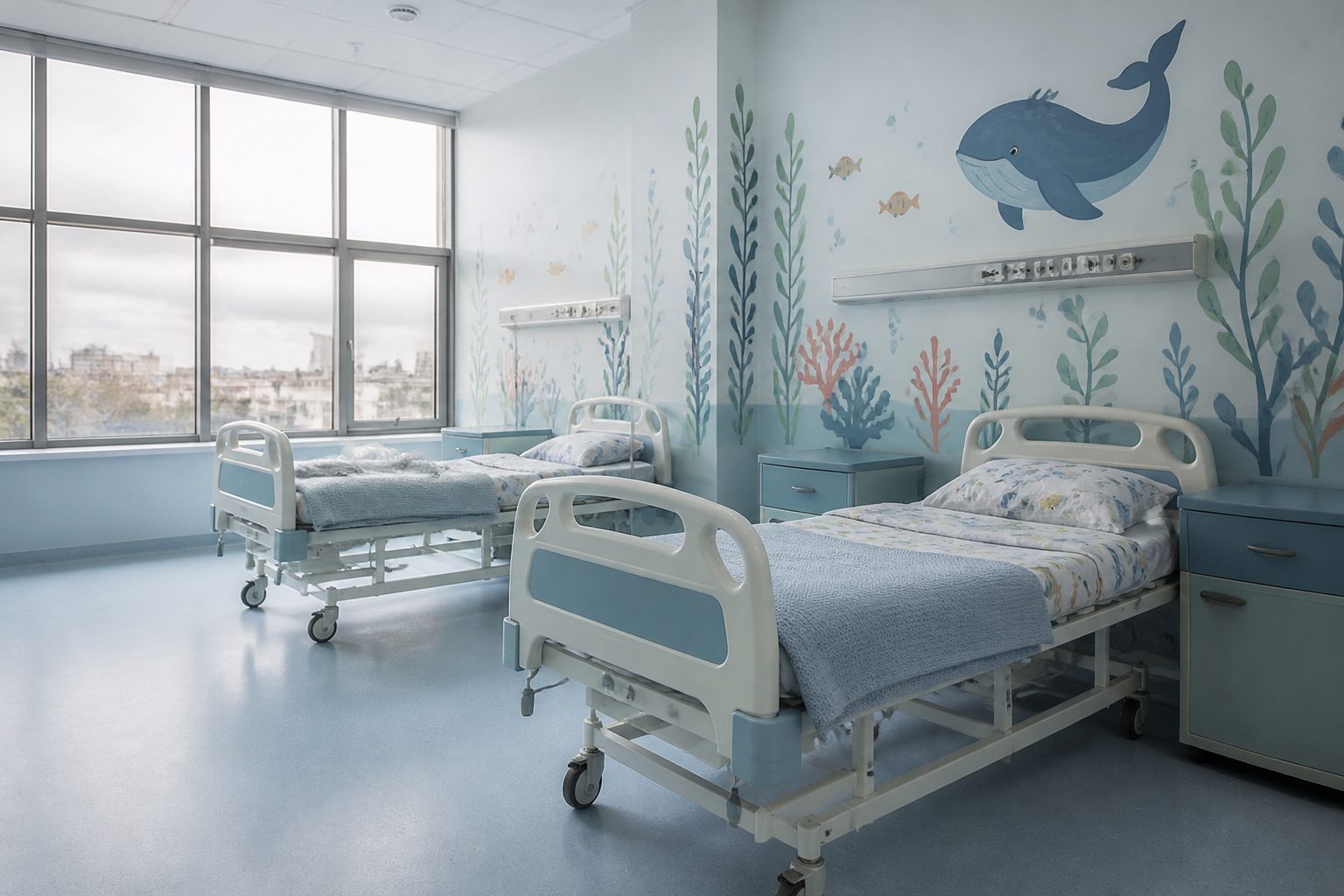
For families facing a childhood cancer diagnosis, India is one of the world’s most affordable destinations for advanced paediatric oncology care. Most types of childhood cancer can be treated in India for $6,500–$30,000 (₹5.4–25 lakh) depending on the hospital, cancer type, and treatment plan.
This guide explains what’s included in these costs, how India’s best children’s hospitals support international and local families, and what to expect at each stage of care—from diagnosis to follow-up.
What does childhood cancer treatment cost in India?
India offers some of the lowest costs for paediatric cancer care worldwide. The total expense depends on the type of cancer, the child’s age and weight, the hospital chosen, and the complexity of treatment required (such as surgery, chemotherapy, radiation, or a stem cell transplant). On average, families should budget:
- Leukemia: $7,000–$15,000 (₹5.8–12.5 lakh) for standard protocols
- Lymphoma: $6,500–$12,000 (₹5.4–10 lakh)
- Solid tumors (Wilms’ tumor, neuroblastoma, etc.): $8,000–$18,000 (₹6.7–15 lakh)
- Brain tumors: $12,000–$30,000 (₹10–25 lakh), especially if radiation or surgery is needed
- Bone marrow transplant (for select cancers): $20,000–$40,000 (₹16.7–33 lakh)
These costs typically include hospital stay, chemotherapy drugs, surgery, radiation, and supportive care. However, outpatient tests, follow-up, and complications may add to the total expense.
What is included in the quoted price?
The quoted price for childhood cancer treatment in India is typically designed to cover most of the core medical services your child will need during the initial phase of therapy, but the specifics can vary widely between hospitals and treatment centres. Generally, the base price includes:
- Hospital admission and room charges: This usually means a stay in a general or semi-private ward, though private rooms or luxury suites would cost extra. The length of stay can affect these costs, especially if complications arise.
- Doctor’s fees: Fees for paediatric oncologists, surgeons, and consultants are included for routine rounds, consultations, and overseeing the treatment plan. However, extra visits or specialist consultations (such as infectious disease experts) might be charged separately in some centres.
- Chemotherapy drugs and administration: The price often covers standard chemotherapy agents and their administration. Some high-cost or imported drugs (especially for rare cancers or relapsed cases) may be billed separately, so it’s important to ask for a drug list.
- Surgical procedures: If surgery is part of the initial protocol (such as tumour removal or biopsy), this is generally included, but complex or multiple surgeries may incur additional charges.
- Radiation therapy: Basic radiation may be bundled, but advanced techniques like IMRT, proton therapy, or stereotactic radiosurgery are usually extra. Always confirm if these are in the package or will be an add-on cost.
- Routine investigations: This covers standard blood tests, imaging (CT, MRI, ultrasound), and other routine monitoring during admission. Specialised scans (like PET-CT) or genetic tests may be billed separately.
- Basic supportive medications: Common supportive drugs—antibiotics, antiemetics, and pain relievers—are generally included. Expensive antifungals, growth factors, or blood products may be extra.
Some hospitals, especially large private or teaching hospitals in India, offer bundled packages for specific cancer protocols (like ALL or Wilms’ tumour), which can simplify billing and planning. Others use a pay-as-you-go model, billing monthly or per admission, which may be more flexible but harder to predict. Always request a detailed, written breakdown of what is included in your quoted price before starting treatment, and clarify which services, drugs, or emergencies could result in additional charges. This helps avoid unpleasant surprises and allows for better financial planning.
What is not included: hidden and extra costs
Many families underestimate the additional expenses involved. The most common extra costs are:
- Outpatient consultations: Pre- and post-treatment visits may cost $10–$40 (₹800–3,300) per appointment
- Advanced imaging: PET-CT, advanced MRI, or repeated scans may be billed separately
- Blood products: Platelet and red cell transfusions may be outside the main package, at $60–$120 (₹5,000–10,000) per unit
- Complications: ICU admission, severe infections, or unexpected surgery can add $1,000–$5,000 (₹83,000–4 lakh) or more
- Long-term medicines: Growth factors, antifungals, or newer targeted therapies are often extra
- Accommodation for families: Not always included; budget $10–$30 (₹800–2,500) per day near major hospitals
- Travel and visas: Especially relevant for international patients
Request a detailed written estimate from the hospital’s international patient or billing office to understand all possible charges.
How costs in India compare to other countries
India’s paediatric cancer treatment costs are a fraction of those in North America, Europe, and even Southeast Asia. The following table compares typical costs for standard-risk acute lymphoblastic leukemia (ALL) treatment—a common childhood cancer—across several countries:
| Country | Total cost (USD) | What’s included |
|---|---|---|
| India | $7,000–$15,000 (₹5.8–12.5 lakh) | Chemotherapy, hospital stay, surgery, routine imaging, basic supportive care |
| United States | $150,000–$500,000 | All standard care, but higher cost for drugs, ICU, and advanced imaging |
| United Kingdom | $0 (NHS), $120,000–$300,000 (private) | All-inclusive in NHS; private similar to US |
| Singapore | $45,000–$100,000 | All standard care, with higher drug and facility costs |
| Thailand | $20,000–$45,000 | Package or per-admission billing, lower than US/EU but higher than India |
| Philippines | $8,000–$25,000 | Public hospitals may be less; private care similar to Thailand |
| Bangladesh | $4,000–$10,000 | Limited centres; costs lower but fewer advanced facilities |
| Pakistan | $5,000–$15,000 | Some charity hospitals offer free/subsidised care |
India stands out for offering advanced protocols, multidisciplinary teams, and English-speaking care at globally competitive prices.
Best children’s hospitals for cancer care in India
India is home to several renowned children’s hospitals and multi-specialty centres that offer world-class paediatric cancer care. These hospitals are distinguished by dedicated paediatric oncology departments, advanced medical technology, and robust support services. When evaluating the best centres, consider the following attributes:
- High patient volumes: Hospitals with large paediatric oncology caseloads typically have more experience managing complex cases, leading to better outcomes and streamlined processes.
- Accreditation: Look for institutions accredited by bodies such as the National Accreditation Board for Hospitals & Healthcare Providers (NABH) or Joint Commission International (JCI). Accreditation ensures adherence to high standards of quality, safety, and infection control.
- Specialist teams: The presence of full-time paediatric oncologists, haematologists, and surgeons is crucial. These specialists are often supported by paediatric anaesthetists, radiologists, and pathologists with expertise in childhood cancers.
- Bone marrow transplant (BMT) units: Leading centres have dedicated BMT units for children, equipped to perform both autologous and allogeneic transplants. This is especially important for high-risk or relapsed cancers.
- In-house paediatric ICU and infection control: Access to a paediatric intensive care unit and stringent infection control protocols is essential for managing complications and safeguarding immunocompromised children.
- Comprehensive support services: Multidisciplinary care teams include child psychologists, nutritionists, physiotherapists, and play therapists to address the emotional, nutritional, and developmental needs of young patients.
Most of the top paediatric cancer centres are located in major Indian cities such as Mumbai, Delhi, Chennai, Bangalore, and Kolkata. Notable institutions include Tata Memorial Hospital (Mumbai), which is a government-funded centre known for advanced paediatric oncology and research; Apollo Children’s Hospital (Chennai), offering integrated care and international patient services; All India Institute of Medical Sciences (AIIMS) (Delhi), a leading teaching hospital with comprehensive paediatric cancer care; and Rainbow Children’s Hospital (with branches in Hyderabad, Bangalore, and Delhi), which provides specialised paediatric oncology and supportive care.
For international families, most leading hospitals have dedicated international patient desks to assist with medical documentation, visa letters, accommodation arrangements, and translation services. It’s advisable to contact these desks well in advance to coordinate appointments, gather necessary paperwork, and plan for your stay in India. Doing so ensures a smoother transition and access to timely, high-quality cancer care for your child.
What drives the price of childhood cancer treatment?
The overall cost of childhood cancer treatment in India is influenced by a complex interplay of medical, logistical, and institutional factors. Understanding these can help families anticipate expenses and plan accordingly. Here are the primary cost drivers:
- Cancer type and stage: The specific diagnosis (e.g., leukaemia, lymphoma, brain tumour, sarcoma) and how advanced the disease is at presentation significantly affect the treatment plan and cost. Leukaemias often follow standardised chemotherapy protocols and may be less expensive, while solid tumours or brain cancers typically require surgery, radiation, and sometimes advanced imaging or molecular testing, increasing costs.
- Treatment protocol: Many top hospitals use internationally accepted regimens (such as COG, BFM, or SIOP protocols), which may involve imported, high-cost drugs and complex supportive care. Customised protocols for rare or relapsed cancers can further escalate expenses.
- Hospital choice: Private hospitals and those with international accreditations (JCI, NABH) generally charge more due to higher infrastructure and staffing costs. Government or charitable hospitals may offer subsidised care, but may have longer waiting times or fewer amenities.
- Length of stay and intensity of care: Children who develop complications (such as severe infections, organ dysfunction, or need for intensive care) require longer hospital stays and additional interventions, which can substantially increase the bill.
- Supportive care needs: Costs rise if the child needs frequent blood transfusions, advanced antibiotics or antifungals, growth factors, or nutritional support. Management of side effects and complications (like sepsis or mucositis) can be expensive.
- Transplant requirement: Bone marrow or stem cell transplants are among the costliest interventions, often running into tens of lakhs of rupees. These procedures require prolonged hospitalisation, pre-transplant workup, expensive drugs, and post-transplant monitoring.
- International patient services: For families from abroad, costs can increase due to translation, visa assistance, airport transfers, and specialised accommodation. Some hospitals offer bundled international packages, while others charge a premium for these services.
To avoid unexpected expenses, always request a detailed, itemised quote from the hospital before starting treatment. This should include estimates for all phases of care, potential complications, and any foreseeable add-ons. Understanding these cost drivers empowers families to make informed decisions and seek financial assistance or insurance where available.
How to choose the right hospital
Selecting the right hospital for your child’s cancer treatment in India is a crucial decision that can impact both medical outcomes and overall experience. Here are key factors and practical steps to guide your choice:
- Experience and outcomes: Inquire about the hospital’s track record with your child’s specific cancer type. Request survival rates, number of cases treated annually, and details of similar cases. High-volume centres often have more streamlined protocols and better support systems.
- Paediatric oncology expertise: Confirm the presence of full-time, board-certified paediatric oncologists, haematologists, and paediatric surgeons. Ask about their experience, qualifications, and whether they participate in international collaborative studies or follow global treatment protocols.
- Multidisciplinary care: Comprehensive cancer care requires access to a paediatric ICU, radiation oncology, infectious disease specialists, and allied health professionals (psychologists, nutritionists, physiotherapists). Check if these services are available in-house or through partnerships.
- Infection control and safety: Children undergoing cancer treatment are highly vulnerable to infections. Ask about the hospital’s infection control policies, isolation facilities, and track record for hospital-acquired infections. Accredited hospitals (NABH or JCI) typically have stricter protocols.
- International patient support: If you are coming from abroad or another state, look for hospitals with dedicated international patient coordinators. These staff can help with medical visas, language interpretation, airport transfers, accommodation, and post-discharge follow-up.
- Transparency: Insist on clear, written estimates that detail what is included and excluded from the treatment cost. Ask for itemised bills and clarification on payment schedules, refund policies, and coverage for complications or relapses.
Before making a decision, request to speak directly with the paediatric oncology team or international patient coordinator. Prepare a list of questions about logistics, timelines, and support services. If possible, seek feedback from other families who have undergone treatment at the hospital. This thorough approach ensures you choose a centre that meets your child’s medical needs and your family’s practical requirements.
How to save money safely
While India is cost-effective, there are safe ways to reduce expenses further:
- Choose a reputed government or trust hospital: Public institutions like Tata Memorial often have subsidised rates but longer waiting times.
- Ask about charity and financial aid: Many hospitals run assistance programs for international and local families.
- Opt for general wards: Shared accommodation is significantly less expensive than private rooms.
- Use generic drugs: Indian generics are high quality and much cheaper than imported brands.
- Limit unnecessary tests: Ask if all scans and labs are essential for your child’s case.
- Plan accommodation: Book nearby guesthouses or hospital-affiliated lodges for longer stays.
- Coordinate with social workers: They can help with logistics and paperwork, reducing stress and hidden costs.
Never compromise on infection control, ICU backup, or the expertise of the paediatric oncology team to cut costs.
Preparing for treatment: practical tips for families
Preparing to travel to India for your child’s cancer treatment involves careful planning and attention to detail. Here are practical steps to help families minimise stress and unplanned costs:
- Gather medical records: Collect all previous medical documents, including pathology reports, imaging (CT, MRI, X-rays), treatment summaries, and laboratory results. Ensure they are translated into English or bring a summary in English, as this will help the Indian medical team quickly assess and plan treatment.
- Check visa requirements: Most families will need a medical visa to enter India for treatment. Hospitals with international patient departments can provide invitation letters and guide you through the application process. Begin this process early, as documentation and approvals can take time.
- Budget for the long term: Treatment for childhood cancers typically spans 6–12 months, including follow-up visits. Apart from direct medical costs, budget for accommodation, food, daily transport, and possible emergency expenses. Some families choose to stay in hospital guest houses or nearby serviced apartments to save costs.
- Plan parental accommodation: Most paediatric hospitals allow one parent to stay with the child overnight, but confirm specific rules, especially during COVID-19 or infectious outbreaks. If both parents wish to stay, ask about on-campus guest rooms or nearby hotels.
- Interpreter and communication support: If English is not your first language, ask about interpreter services. This is especially important for understanding consent forms, treatment plans, and emergency instructions.
- Immunisation and infection control: Some hospitals require proof of up-to-date vaccinations for the child and accompanying parent(s). Check if additional vaccines (such as influenza or pneumococcal) are recommended before travel.
- Understand hospital policies: Ask about rules regarding food (outside meals, dietary restrictions), accommodation, visitor limits, and daily routines. Some centres have strict infection control policies that may affect what you can bring into the ward.
Advance planning is key to reducing stress and ensuring a smooth treatment journey. Consider connecting with other families who have undergone treatment in India for practical advice, and maintain open communication with your chosen hospital’s international patient coordinator. This preparation helps you focus on supporting your child during a challenging time.
Frequently asked questions
How long does childhood cancer treatment take in India?
Treatment duration varies by cancer type. Leukemia protocols typically last 6–24 months, with the most intensive phase in the first 6 months. Solid tumors may require 6–12 months. Hospitals will provide a detailed timeline after diagnosis.
Are Indian hospitals equipped for advanced paediatric cancer care?
Major hospitals in India offer international-standard care with paediatric oncologists, modern chemotherapy protocols, radiation, surgery, and bone marrow transplant facilities. Always choose a centre with a dedicated paediatric oncology team and ICU backup.
What support services are available for families?
Many leading hospitals provide social work, psychological counselling, play therapy, nutrition advice, and sometimes on-site accommodation for families. Ask the hospital’s international desk about specific support options before arrival.
Can international patients access charity or subsidised care?
Some public and trust hospitals accept international children for subsidised or even free treatment, but waiting lists may be long. Private hospitals may offer discounts or payment plans; always inquire in advance and provide full documentation.
What documents are needed for treatment in India?
Bring all medical records, test results, and imaging (preferably in English), the child’s passport, parent/guardian ID, and any financial documents needed for charity programs. The hospital’s international desk can advise on specific paperwork and medical visa requirements.
Related guides
Disclaimer: Prices and inclusions are indicative and vary by hospital, cancer type, and individual case. Always request a personalised, written quote and consult a qualified paediatric oncologist before making treatment decisions.