
Families considering paediatric kidney surgery in Singapore can expect hospital bills ranging from $18,000 to $32,000, depending on the procedure, hospital, and child’s needs. This article explains the main cost drivers, what’s included, and what to expect when seeking specialist care for children in Singapore.
This guide is for parents and caregivers comparing paediatric surgery options, especially those seeking high-quality children’s kidney care in Asia. We cover typical costs, how they compare internationally, and practical tips for planning your child’s treatment.
What is paediatric kidney surgery?
Paediatric kidney surgery encompasses a range of surgical procedures performed on children to address kidney-related health problems. These may include congenital abnormalities—such as ureteropelvic junction obstruction, which can block urine flow from the kidney—kidney stones, tumors like Wilms’ tumor, or severe kidney infections that do not respond to medical management. The most common procedures are pyeloplasty (surgical repair of a blockage), nephrectomy (removal of an entire kidney), and partial nephrectomy (removal of a portion of the kidney, often for localized tumors or non-functioning segments).
These surgeries are complex and require the expertise of paediatric urologists or paediatric surgeons who have received specialized training in treating kidney conditions in infants, children, and adolescents. The surgical approach may vary, with options including traditional open surgery, minimally invasive laparoscopic techniques, or even robotic-assisted procedures in some advanced centres.
In Singapore, paediatric kidney surgeries are typically performed in modern, well-equipped hospitals that prioritize safety and a multidisciplinary approach. This means your child’s care team may include not only surgeons, but also paediatric anaesthetists, nephrologists (kidney specialists), radiologists, and dedicated paediatric nurses. These teams work together to ensure comprehensive pre-operative assessment, meticulous surgical care, and thorough post-operative monitoring.
Families from across Asia and beyond are drawn to Singapore for its excellent safety record, English-speaking medical staff, and internationally accredited hospitals. The country’s healthcare system is designed to provide a comfortable and supportive environment for both local and international patients, making it a trusted option for those seeking high-quality paediatric kidney care.
Typical cost of paediatric kidney surgery in Singapore
The typical cost of paediatric kidney surgery in Singapore depends on several concrete factors, including the specific surgical procedure, choice of hospital (public vs. private), the child’s health status, and the resources required during recovery. For instance, a straightforward procedure such as a pyeloplasty—which corrects a blockage in the kidney—will generally cost less than more complex operations like a partial or full nephrectomy (removal of part or all of a kidney), or surgeries to remove tumors.
- Simple surgery (e.g., pyeloplasty): S$24,000–S$32,000 (about US$18,000–US$24,000), typically covering the operation, surgeon and anaesthetist fees, and a standard hospital stay of 3–5 days.
- Complex surgery (e.g., partial or full nephrectomy): S$32,000–S$43,000 (about US$24,000–US$32,000), which may include longer operating time, more specialized surgical expertise, and a hospital stay of 5–7 days or longer.
These quoted ranges generally include the primary surgical costs: surgeon’s fees, anaesthesia, use of the operating theatre, standard ward accommodation, basic laboratory tests, and routine medications administered during the hospital stay. However, costs can increase if the child requires intensive care (ICU), advanced imaging such as MRI or CT scans, or if there are post-operative complications necessitating additional treatment or extended hospitalization.
Public hospitals like KKH and NUH may offer lower base rates, particularly for Singapore citizens and permanent residents who are eligible for government subsidies. International patients, however, typically pay the full private rate. It is important to note that these figures are estimates; actual costs can vary based on individual circumstances, the hospital’s billing structure, and the child’s unique medical needs. Always request a detailed, itemized quote and clarify what is included before proceeding.
What is included and what is not
When considering paediatric kidney surgery in Singapore, it is vital to understand exactly what is covered in the quoted price and what may incur additional charges. Most hospitals will provide a detailed estimate, but the inclusions and exclusions can differ between institutions and depending on whether you are accessing care at a public or private facility.
Included in most quoted prices:
- Professional fees for the surgeon, anaesthetist, and any surgical assistants involved in the procedure.
- Operating theatre charges, including use of surgical equipment, consumables, and standard supplies necessary for the operation.
- Standard hospital room accommodation, which may be a shared ward or a basic single room, typically for a set number of days (often 3–7 days, depending on the surgery).
- Routine blood tests, urine tests, and basic imaging (such as ultrasound or X-rays) necessary for monitoring during the hospital stay.
- Medications and consumables used during the inpatient period, such as antibiotics, pain relief, and IV fluids.
Not usually included:
- Pre-surgery specialist consultations, which may involve multiple visits for assessment and planning.
- Advanced pre-admission investigations, such as MRI scans, specialised blood tests, or genetic panels, which are often billed separately.
- Additional nights in the hospital or intensive care unit (ICU) beyond the standard package, which can significantly increase costs.
- Post-operative outpatient follow-up appointments, including any required physiotherapy or rehabilitation services.
- Management of complications, such as infections or reoperations, which are not part of the standard package and can lead to extra charges.
- Travel, accommodation, and meals for family members accompanying the child, as these are not covered by hospital fees and must be arranged independently.
It is essential to request a comprehensive, itemized breakdown of what is included in your hospital’s quote. Public hospitals may offer lower base rates but often have longer waiting times and stricter eligibility criteria, especially for non-residents. International patients should be particularly vigilant, as they are not eligible for Singapore’s government healthcare subsidies and may face higher charges for certain services.
Paediatric kidney surgery cost comparison table
| Country | Typical cost (USD) | Typical cost (local currency) | Notes |
|---|---|---|---|
| Singapore | $18,000–$32,000 | SGD 24,000–43,000 | Includes 3–7 days’ stay, surgeon’s fees; English-speaking care; fast scheduling |
| India | $4,200–$8,000 | ₹3.5–6.7 lakh | Wide range of hospitals; lower costs; variable English fluency |
| Thailand | $7,000–$13,000 | THB 250,000–460,000 | Modern private hospitals; international patient departments |
| Malaysia | $5,500–$10,500 | MYR 26,000–50,000 | English spoken; JCI-accredited options |
| United States | $35,000–$70,000 | USD 35,000–70,000 | High costs; advanced technology; insurance needed |
| UK (private) | $22,000–$40,000 | £17,500–32,000 | Specialist children’s hospitals; NHS for citizens/residents only |
| Australia | $20,000–$35,000 | AUD 30,000–52,000 | Private hospitals only for non-residents |
| Philippines | $4,000–$7,000 | PHP 230,000–400,000 | Lower cost; variable facilities; English spoken |
| Indonesia | $4,000–$7,500 | IDR 63–118 million | Urban centres only; international units in Jakarta, Bali |
What drives the price of paediatric kidney surgery in Singapore?
The overall cost of paediatric kidney surgery in Singapore is shaped by a complex interplay of medical, logistical, and administrative factors. Understanding these drivers can help families anticipate expenses and budget accordingly.
- Procedure complexity: The type of surgery required is a major cost determinant. Simple procedures like pyeloplasty are less expensive because they are shorter, less resource-intensive, and involve fewer risks. In contrast, complex surgeries such as partial or full nephrectomy, or tumor removal, require longer operating times, advanced surgical skills, and possibly specialized equipment, all of which increase the price.
- Hospital type: Singapore’s private hospitals (e.g., Mount Elizabeth, Gleneagles) generally charge higher rates than public hospitals (such as KK Women’s and Children’s Hospital or National University Hospital). Private hospitals offer shorter waiting times, more personalized amenities, and a higher level of privacy, but these come at a premium. Public hospitals may have lower base charges but can be less accessible for international patients due to quotas and eligibility criteria.
- Length of stay: Recovery time after surgery varies by patient and procedure. A longer hospital stay or an unplanned admission to the intensive care unit (ICU) can substantially increase costs, as daily room charges and intensive monitoring are significant contributors to the bill.
- Child’s health: Children with chronic illnesses, genetic syndromes, or other complex medical needs may require additional monitoring, consultations with multiple specialists, and more extensive post-operative care, all of which add to the total cost.
- Specialist fees: The experience and seniority of the surgical and anaesthetic team play a role. Senior consultants and highly specialized paediatric surgeons often command higher professional fees. Some hospitals also charge extra for the involvement of multidisciplinary teams.
- Extras: Additional services such as advanced imaging (MRI, CT), genetic testing, intraoperative monitoring, or post-operative rehabilitation are not always included in base quotes and can significantly add to the final bill. Unexpected complications, reoperations, or the need for special medications may also result in extra charges.
It is important to note that international patients are not eligible for Singapore’s government healthcare subsidies and typically pay higher rates than citizens or permanent residents. This difference can be substantial and should be factored into financial planning. To avoid surprises, always request a transparent, itemized estimate and discuss all potential variables with your hospital’s financial counsellor before committing to surgery.
How to choose a hospital and surgeon
Singapore’s leading paediatric kidney surgery centres include KK Women’s and Children’s Hospital (KKH), National University Hospital (NUH), and private hospitals like Mount Elizabeth and Gleneagles. When choosing, consider:
- Hospital reputation: Look for hospitals with dedicated paediatric urology or surgery departments.
- Surgeon’s experience: Ask how many similar procedures the surgeon performs yearly, and outcomes for your child’s condition.
- International patient support: Established hospitals offer visa support, translators, and help with logistics.
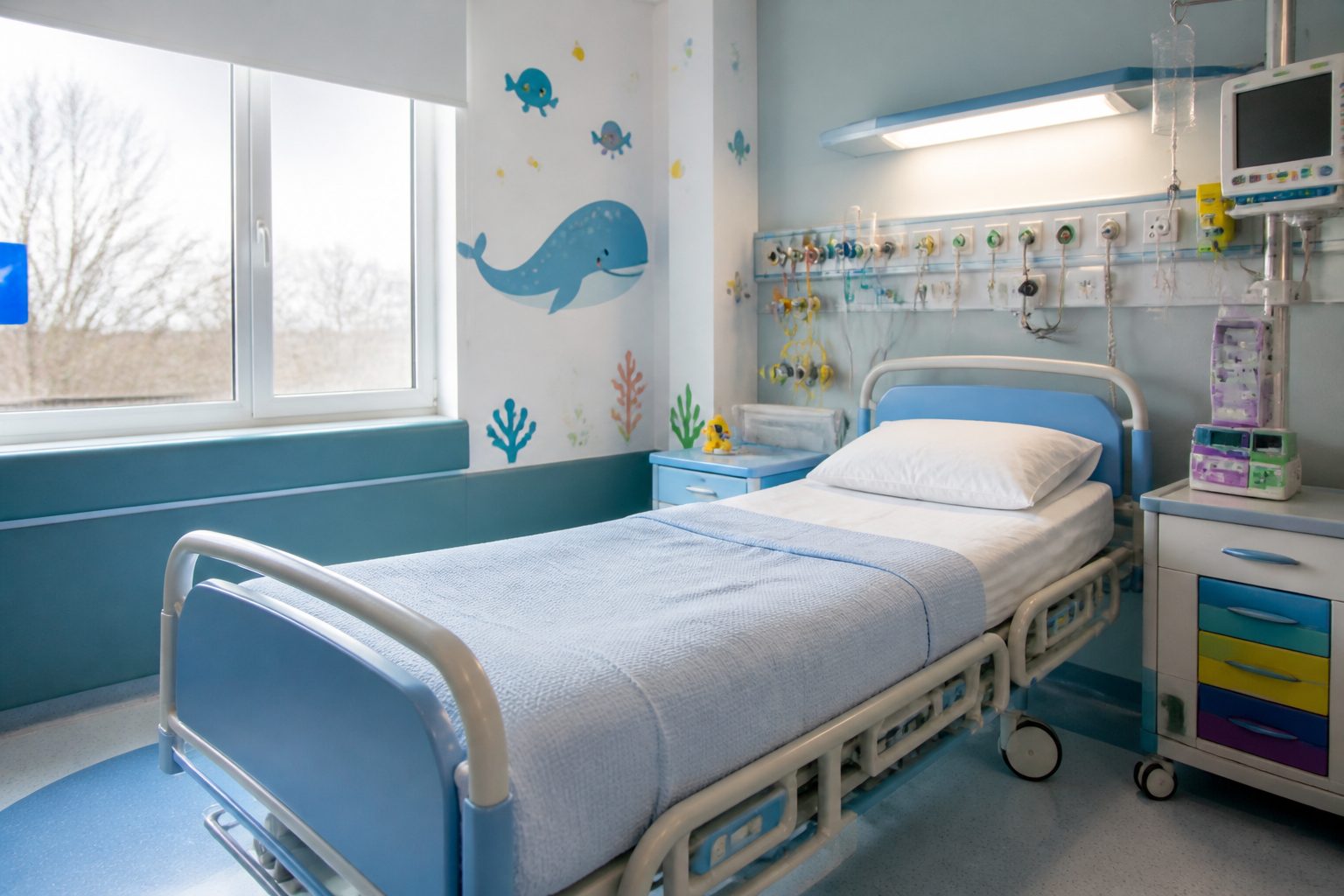
- Child-friendly environment: Look for playrooms, paediatric nurses, and psychological support services.
- Accreditation: Major Singapore hospitals are accredited by JCI or local MOH standards.
Contact the hospital’s international patient centre for a preliminary cost estimate and to discuss your child’s case in detail.
Hidden costs and what to watch for
While headline prices cover most direct medical costs, families should budget for additional items:
- Pre-surgery workup: Specialist appointments, imaging, and blood tests before admission can add $1,000–$3,000.
- Family travel and accommodation: Singapore is expensive; hotel or serviced apartment stays may cost $100–$250 per night.
- Unexpected complications: Prolonged ICU care, extra surgeries, or infection management can add thousands to the bill.
- Post-discharge care: Outpatient follow-ups and medications are billed separately.
- Translation services: Some hospitals charge extra for interpreters.
Review the written estimate line by line, and ask about “deposit” requirements for international patients. Always confirm what happens if your child needs to stay longer than planned.
How to save money without compromising care
Here are practical steps families can take to manage costs safely:
- Consider a public hospital like KKH or NUH, which offer high-quality care at lower rates than private hospitals.
- Ask for a package price, which may cover most costs for straightforward cases.
- Request a detailed quote up front, with itemized charges and refund policy for unused services.
- Book flights and accommodation early; consider staying at a Ronald McDonald House or similar charity if eligible.
- Bring all previous medical reports and imaging to avoid duplicate tests.
- If your child has insurance that covers overseas care, confirm what documentation is required for reimbursement.
Never choose based on price alone—ensure the hospital and surgeon have experience with your child’s specific diagnosis.
Preparing for your child’s surgery in Singapore
Planning ahead can reduce stress and surprises. Here’s what to expect:
- Pre-admission: Your child may need to arrive several days early for tests and pre-op assessment.
- During admission: Parents can usually stay with young children in the hospital room. Child life specialists help prepare children emotionally.
- After surgery: Recovery takes 3–7 days for most procedures. Complex cases may need ICU monitoring.
- Discharge: You’ll receive instructions for wound care, medications, and signs of complications. Follow-up visits may be scheduled a week or more after discharge.
- Travel home: Most children can fly home within 10–14 days, but check with your medical team.
Bring all relevant documents, including passports, visa letters, previous medical records, and vaccination certificates. Some hospitals require a deposit of 80–100% of the estimated bill for international patients at admission.
Bottom line: Is Singapore worth the cost for paediatric kidney surgery?
Singapore stands out as a premier destination for paediatric kidney surgery in Southeast Asia, primarily due to its advanced medical infrastructure, internationally accredited hospitals, and a robust safety record. The healthcare system in Singapore is known for its efficiency, cleanliness, and the widespread use of English, making it particularly accessible for international families. Hospitals such as KK Women’s and Children’s Hospital (KKH), National University Hospital (NUH), and private institutions like Mount Elizabeth and Gleneagles are equipped with the latest technology and staffed by highly trained paediatric specialists.
While the cost of paediatric kidney surgery in Singapore is generally higher than in neighbouring countries such as Malaysia, Thailand, or Indonesia, it remains significantly lower than what you would expect in the United States or the UK’s private sector. For example, families might pay two to three times more in Western countries for a similar level of care and expertise. In Singapore, you benefit from a transparent billing system, clear communication, and comprehensive support services for international patients, including interpreters and assistance with travel arrangements.
For families prioritizing safety, quality, and predictability, Singapore is often considered worth the investment. However, it is crucial to obtain a detailed written quote from your chosen hospital, clarifying exactly what is included in the package and what additional costs could arise. Discuss your child’s unique medical needs, potential complications, and aftercare requirements with the hospital team. This proactive approach will help you make an informed decision and avoid unexpected expenses.
Ultimately, if you are seeking reliable, high-quality paediatric kidney surgery with strong support for both patient and family, Singapore remains a leading and trusted choice in the region, balancing higher costs with exceptional standards of care.
Frequently asked questions
How long do children stay in hospital after kidney surgery in Singapore?
Most children stay 3–7 days after kidney surgery, depending on the procedure and recovery. For complex cases or complications, the stay may be longer. ICU care is only needed for high-risk children or major surgeries. The medical team will advise on expected length of stay after assessing your child’s condition.
Are there English-speaking paediatric specialists in Singapore?
Yes, all major Singapore hospitals have English-speaking paediatric surgeons, nephrologists, and nurses. Many have trained internationally. Interpreter services are also available for other languages such as Mandarin, Malay, and Bahasa Indonesia, though some hospitals may charge extra for this service.
Can international patients use public hospitals like KKH or NUH?
International patients can access care at Singapore’s public hospitals, including KKH and NUH, but pay unsubsidised rates. There may be longer waiting times for non-urgent cases compared to private hospitals. Contact the international patient office to discuss eligibility, referral requirements, and obtain a cost estimate in advance.
Is insurance accepted for paediatric kidney surgery in Singapore?
Some hospitals accept direct billing from international insurers, but most require patients to pay up front and seek reimbursement from their insurer. Always confirm with your insurance provider and the hospital’s financial department before arranging treatment. Bring all necessary documents for claims processing.
What documents are needed for treatment in Singapore?
Families should bring valid passports, visas (if required), hospital appointment letters, previous medical records, imaging (CDs or reports), and vaccination records. Some hospitals may request a referral letter from your local doctor. Always check with your chosen hospital’s international patient centre for a full list.
Related guides
Disclaimer: Prices in this article are indicative and vary by hospital, procedure complexity, and individual patient needs. Always obtain a written quote and consult a qualified paediatric surgeon for advice specific to your child’s condition.