
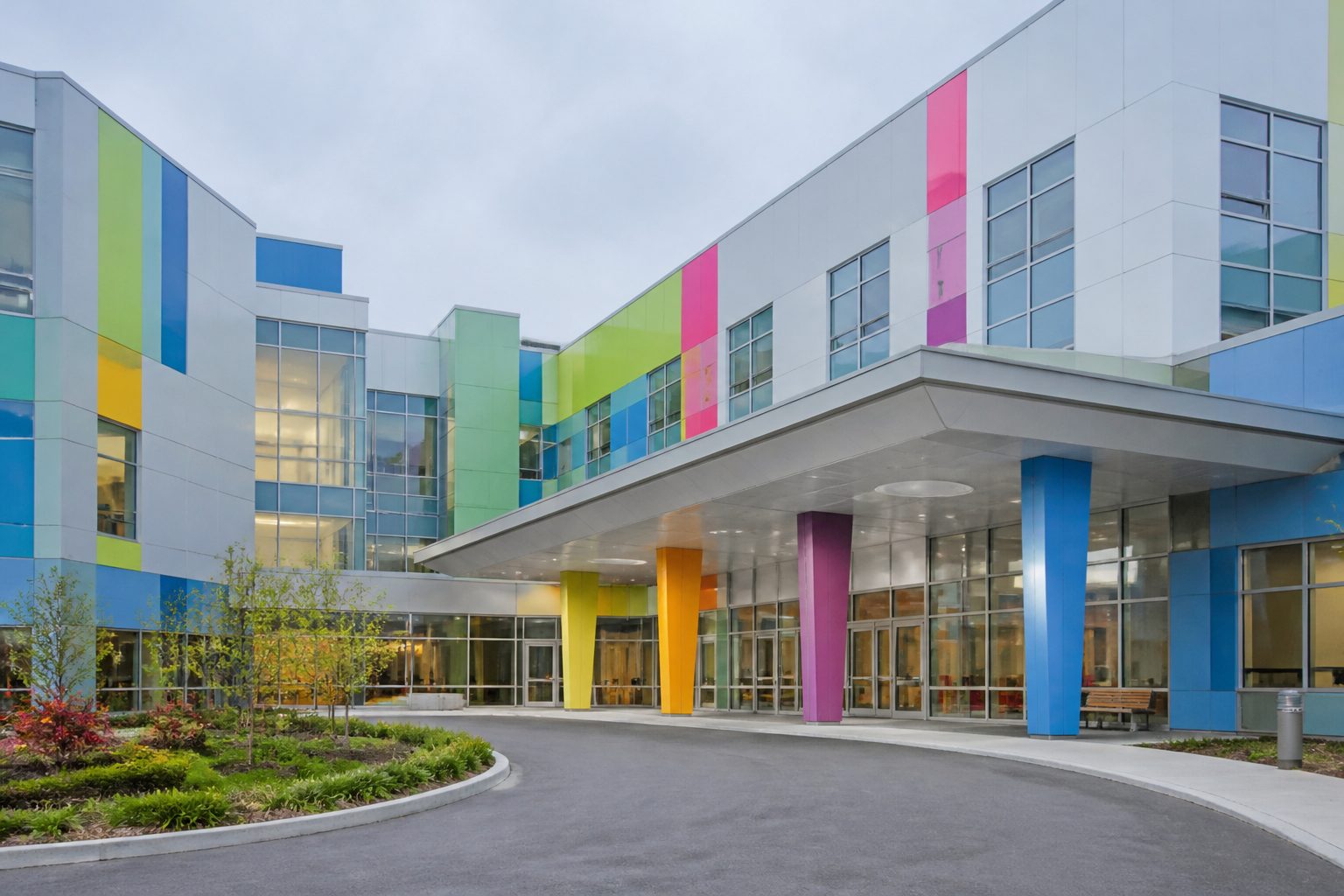
Families seeking paediatric orthopaedic surgery in Australia can expect costs ranging from $7,000 to $25,000 (AUD $10,500–$38,000) for common procedures. The price depends on the specific surgery, hospital type, and health insurance status. Both public and private hospitals offer high-quality care, but waiting times and out-of-pocket costs vary.
This guide is for parents and caregivers evaluating their options for children’s orthopaedic care in Australia. It covers costs, what’s included, leading children’s hospitals, public versus private treatment, and practical planning tips.
What paediatric orthopaedic surgery involves
Paediatric orthopaedic surgery addresses bone, joint, and muscle conditions in children, including congenital deformities, fractures, scoliosis, hip dysplasia, limb length discrepancies, and sports injuries. Surgical approaches are tailored to children’s growing bodies and may involve minimally invasive techniques or open procedures, depending on the diagnosis. Common surgeries include corrective procedures for clubfoot, treatment of slipped upper femoral epiphysis, scoliosis correction, and fracture fixation. Recovery protocols are designed for children, with a focus on pain management, rapid mobilisation, and physiotherapy.
Care is delivered by multidisciplinary teams, including paediatric orthopaedic surgeons, anaesthetists, nurses, physiotherapists, and occupational therapists. The goal is to restore function, minimise pain, and support normal growth and development. Some surgeries are performed as day procedures, while others require a hospital stay of several days or longer.
Typical costs for paediatric orthopaedic surgery in Australia
Surgery costs in Australia depend on the procedure, hospital, surgeon’s fees, anaesthetist charges, and length of stay. Private hospital costs are higher but may be partially covered by private health insurance. Public hospitals provide care at little or no direct cost for Medicare-eligible children, though waiting times can be long for elective procedures.
The table below compares indicative costs for common paediatric orthopaedic surgeries at leading Australian children’s hospitals and a selection of other countries. These prices are for self-paying (uninsured) international patients, unless otherwise stated.
| Procedure | Australia (AUD/USD) | India (INR/USD) | Singapore (SGD/USD) | UK (GBP/USD) | USA (USD) |
|---|---|---|---|---|---|
| Clubfoot correction (Ponseti method, casting + surgery) | $7,000–$12,000 (AUD $10,500–$18,000) | ₹80,000–₹150,000 ($950–$1,800) | $9,500–$14,000 (SGD $13,000–$19,000) | £6,500–£9,000 ($8,200–$11,400) | $12,000–$22,000 |
| Scoliosis correction (posterior spinal fusion) | $22,000–$25,000 (AUD $33,000–$38,000) | ₹380,000–₹650,000 ($4,600–$7,900) | $28,000–$38,000 (SGD $38,000–$52,000) | £19,000–£27,000 ($24,000–$34,000) | $45,000–$70,000 |
| Hip dysplasia surgery (open reduction + osteotomy) | $12,000–$16,000 (AUD $18,000–$24,000) | ₹160,000–₹300,000 ($2,000–$3,600) | $14,000–$21,000 (SGD $19,000–$28,000) | £9,000–£13,000 ($11,400–$16,500) | $18,000–$30,000 |
| Limb lengthening (per stage) | $14,000–$21,000 (AUD $21,000–$32,000) | ₹240,000–₹500,000 ($2,950–$6,000) | $17,000–$27,000 (SGD $23,000–$36,000) | £12,000–£18,000 ($15,200–$22,800) | $25,000–$45,000 |
| Fracture fixation (closed or open reduction with internal fixation) | $7,500–$11,000 (AUD $11,000–$17,000) | ₹60,000–₹120,000 ($750–$1,450) | $8,500–$12,000 (SGD $11,500–$16,000) | £5,500–£8,000 ($7,000–$10,100) | $10,000–$18,000 |
These costs typically include hospital stay, surgeon and anaesthetist fees, theatre charges, and standard post-operative care. Additional expenses may arise for pre-surgery investigations, medications, physiotherapy, extra nights in hospital, or complications.
What is included and excluded in the price
When considering paediatric orthopaedic surgery in Australia, it is crucial for families to understand exactly what the quoted price covers, as inclusions and exclusions can vary between hospitals and providers. In private hospitals, the base price generally encompasses several core elements:
- Pre-operative admission and standard investigations: Routine blood tests, basic imaging, and initial nursing assessments performed during admission.
- Surgical procedure fees: Payment for the lead surgeon, surgical assistant, and anaesthetist, which often make up a significant portion of the overall cost.
- Operating theatre and consumables: Use of the operating room, surgical instruments, and standard disposable items required for the operation.
- Hospital stay: Accommodation in a standard room, nursing care, meals, and basic hospital amenities for the expected duration of recovery.
- Routine post-operative care: Standard follow-up care while the child is still in hospital, including wound checks and pain management.
However, there are several important exclusions that families should be aware of, as these may result in additional charges:
- Specialist consultations: Appointments with the surgeon or other specialists before and after surgery, which are often billed separately.
- Additional imaging or laboratory tests: Advanced scans (such as MRI or CT), extra blood work, or other investigations not considered routine.
- Extended hospital stays: Charges for days beyond the standard recovery period, which may occur if complications arise or the child needs extra monitoring.
- Ongoing physiotherapy and rehabilitation: Therapy sessions after discharge from hospital, which can be essential for optimal recovery but are rarely included in the base price.
- Take-home medications and medical supplies: Pain relief, antibiotics, braces, or crutches provided for use at home.
- Travel, accommodation, and interpretation services: Particularly relevant for international families, these costs are almost always separate and can add up quickly.
Given these variables, families should always request a comprehensive, written quote from the hospital or surgeon, specifying exactly what is and is not included. It is also wise to ask about potential scenarios that could increase costs, such as unplanned intensive care admissions or the need for additional procedures. This proactive approach helps prevent financial surprises and allows for better budgeting and peace of mind during a stressful time.
Leading children’s hospitals for orthopaedic care in Australia
Australia boasts several leading paediatric hospitals renowned for their excellence in orthopaedic care. These institutions are equipped with state-of-the-art surgical theatres, advanced diagnostic imaging, and multidisciplinary teams dedicated to treating a wide range of musculoskeletal conditions in children, from common fractures to complex congenital deformities. The most prominent centres include:
- The Royal Children’s Hospital, Melbourne: Internationally acclaimed for its research, innovation, and paediatric orthopaedic surgery programs, offering comprehensive care for spinal, hip, and limb conditions.
- The Sydney Children’s Hospital Network (Westmead and Randwick): Two major campuses in Sydney providing an extensive range of orthopaedic services, including trauma, tumour, and cerebral palsy management, with strong links to university research.
- Queensland Children’s Hospital, Brisbane: The largest children’s hospital in Queensland, known for its advanced surgical techniques, rehabilitation programs, and family-centred care approach.
- Perth Children’s Hospital: Western Australia’s principal centre for paediatric orthopaedics, offering specialist clinics, surgical expertise, and integrated rehabilitation services.
- Women’s and Children’s Hospital, Adelaide: A major teaching hospital with a dedicated paediatric orthopaedic team, involved in teaching, research, and the management of complex cases from across South Australia and beyond.
These hospitals are not only clinical leaders but also play a vital role in paediatric training, research, and the development of new surgical techniques. Most are affiliated with top universities and research institutes, ensuring access to the latest evidence-based treatments. Their facilities include child-friendly wards, on-site physiotherapy and occupational therapy, and access to social work and psychological support for families.
For international patients, these hospitals typically treat children as private patients, with costs aligning with the ranges discussed earlier. Dedicated international patient liaison services are available to help families navigate the process, from arranging appointments and providing detailed cost estimates to assisting with visas, accommodation, and translation services. This comprehensive support aims to ensure a smooth and reassuring experience for families seeking world-class orthopaedic care for their children in Australia.
Public versus private hospitals: Access, wait times, and costs
Australia’s public hospitals, including major children’s hospitals, provide paediatric orthopaedic surgery with little or no out-of-pocket cost for children who are Australian citizens or permanent residents covered by Medicare. However, demand is high and elective (non-urgent) surgeries may have waiting periods of several months to over a year, depending on the urgency and region.
Private hospitals offer faster access to surgery, choice of surgeon, and more flexible scheduling. Costs are higher and depend on insurance coverage. For families with comprehensive private health insurance, much of the hospital and surgical costs may be covered, but there are often gaps for specialist fees, anaesthesia, and some consumables. International patients (not eligible for Medicare) pay the full private rate in either public or private hospitals. Some families choose to pay out-of-pocket for private care to reduce waiting times or access particular specialists.
How to save on paediatric orthopaedic surgery costs
There are a few strategies families can use to manage or reduce the cost of surgery in Australia:
- Check if your child is eligible for Medicare or reciprocal health care agreements (for certain countries).
- If you have private health insurance, confirm your level of cover and any waiting periods, exclusions, or limits for paediatric surgery.
- Ask for a detailed quote from the hospital and surgeon, specifying all included and excluded items.
- Consider public hospital treatment if you are eligible and the condition is not urgent.
- Explore payment plans with the hospital or surgeon if paying out-of-pocket.
- Compare quotes from different hospitals or surgeons, but focus on experience and reputation as well as price.
- For international patients, enquire about bundled packages that include pre- and post-operative care, accommodation, and airport transfers.
Travel insurance with medical cover is recommended for families coming from overseas.
Other costs: Vaccinations, screening, dental and eye care
In addition to surgical expenses, families planning paediatric orthopaedic treatment in Australia should consider other essential child health costs that may arise during their stay. Australia’s public health system provides comprehensive preventive care for children, but the extent of coverage depends on eligibility and residency status.
Vaccinations: For children who are eligible for Medicare, routine immunisations are provided free of charge under the National Immunisation Program, ensuring protection against diseases like measles, polio, and whooping cough. However, international patients or those not covered by Medicare must pay privately, with costs typically ranging from $100 to $200 per vaccine (AUD $150–$300), depending on the type of vaccine and the clinic’s fees. It is advisable for families to check their child’s vaccination status before travelling to Australia and budget for any catch-up immunisations if required.
Screening: Newborn and early childhood screening for inherited and metabolic conditions is standard and free for Australian residents. For non-residents or those seeking additional private tests, costs can range from $150 to $300 (AUD $225–$450) per screening. These tests can be important if a child has complex health needs or if recommended by a specialist prior to surgery.
Dental and eye care: Dental health is another key consideration. The Child Dental Benefits Schedule provides up to $1,052 over two years for eligible families, covering basic dental services. Those not eligible, including most international patients, face private dental costs of $80–$120 (AUD $120–$180) for a standard check-up, and $300–$1,000 (AUD $450–$1,500) for fillings or extractions, depending on the complexity and materials used. Paediatric eye care may also be necessary, especially if orthopaedic issues are linked to syndromes affecting vision. An initial consultation with a paediatric ophthalmologist costs $120–$220 (AUD $180–$330), with extra charges for diagnostic tests, glasses, or therapeutic treatments. These services are often provided in specialist clinics within major children’s hospitals or in private rooms nearby.
Families should plan for these additional health-related expenses, particularly if staying in Australia for an extended period or if their child requires comprehensive pre- or post-operative care. Consulting with hospital social workers or international patient coordinators can help identify available subsidies, payment plans, or bundled health packages to ease the financial burden.
How to plan your child’s treatment in Australia
Planning paediatric orthopaedic surgery in Australia requires careful preparation, especially for international families unfamiliar with the local healthcare system. The process involves several practical steps to ensure your child receives timely and effective care while minimising logistical and financial challenges.
- Initiate contact with the hospital: Begin by reaching out to the international patient office or liaison service at your chosen paediatric hospital. These teams provide essential information on available services, expected timelines, and the documentation required for initial assessment.
- Submit medical records and referrals: Prepare and send comprehensive medical records, including recent imaging, laboratory results, and a detailed referral letter from your child’s primary doctor or specialist. This information enables the Australian surgical team to review the case and recommend appropriate treatment plans.
- Request a detailed cost estimate: Ask for a formal, itemised quote that specifies what is included in the price (e.g., surgery, hospital stay, anaesthesia) and what is excluded (such as outpatient appointments or rehabilitation). Clarifying these details upfront helps prevent unexpected expenses.
- Arrange travel and accommodation: Organise visas for medical travel, book flights, and secure suitable accommodation near the hospital for the expected duration of treatment and recovery. Some hospitals offer family accommodation or can recommend nearby options.
- Plan for follow-up care: Discuss with the hospital team how post-operative care, physiotherapy, or rehabilitation will be managed after discharge. Determine whether these services will be provided in Australia or if you will need to arrange ongoing care in your home country.
- Review insurance and documentation: Check the requirements for travel and health insurance, ensuring your policy covers medical treatment abroad. Gather all necessary documentation for border entry and hospital admission, including proof of payment, referral letters, and vaccination records.
For Australian residents, the process starts with consulting your general practitioner (GP) or paediatrician to obtain a referral to a specialist orthopaedic surgeon. Your doctor can advise on the pros and cons of public versus private care, help with hospital selection, and assist in navigating waiting lists or insurance approvals. Regardless of your situation, early planning and clear communication with healthcare providers are key to achieving the best possible outcome for your child in Australia.
The bottom line on paediatric orthopaedic surgery costs in Australia
Australia is globally recognised for its high standards in paediatric orthopaedic care, offering advanced surgical procedures in both public and private hospital settings. For families who are self-funding or travelling from overseas, the costs of paediatric orthopaedic surgery can vary widely, typically falling between $7,000 and $25,000 (AUD $10,500–$38,000). The total expense depends heavily on the complexity of the procedure, the length of hospital stay required, the need for specialised implants or devices, and the specific hospital chosen. For example, straightforward procedures like tendon releases or minor fracture repairs may be at the lower end of the range, while complex spinal or limb deformity corrections can reach the higher end, especially if intensive care or longer rehabilitation is necessary.
Public hospitals in Australia offer substantially reduced costs for eligible residents thanks to the Medicare system, which covers most or all expenses for medically necessary surgeries. However, public hospital waiting lists for elective (non-urgent) procedures can be long, sometimes stretching to several months, which may not be ideal for families needing timely intervention. In contrast, private hospitals provide faster access to surgery, greater flexibility in choosing surgeons and scheduling, and more comfortable amenities, but these advantages come with higher out-of-pocket costs unless a family has comprehensive private health insurance that covers paediatric procedures. Even with insurance, there may be excess payments, co-payments, or exclusions for certain items.
To avoid unexpected costs, families should take practical steps such as obtaining a detailed written quote from the hospital or surgeon, clarifying which services and items are included, and asking about possible additional charges for things like extended hospital stays, specialist consultations, or rehabilitation. Open communication with hospital billing departments and care coordinators is essential. Early financial planning and understanding the billing process will help families make informed decisions and ensure a smooth journey to the best possible outcome for their child.
Frequently asked questions
How long is the waiting time for paediatric orthopaedic surgery in public hospitals?
Waiting times in public hospitals vary by state and urgency. For non-urgent conditions, it can be several months to over a year. Urgent cases are prioritised and treated more quickly. Private hospitals usually have much shorter waiting periods, typically a few weeks.
Are there any financial assistance programs for overseas patients?
Australia does not offer financial aid for overseas patients. International families must pay the full cost of treatment. However, some hospitals may provide payment plans or bundled packages to assist with budgeting. Local families may be eligible for government support or insurance rebates.
Can I choose my child’s surgeon in a public hospital?
In public hospitals, patients are generally assigned to a surgical team rather than a specific surgeon. In private hospitals, families can usually choose their preferred surgeon, provided they are accredited at the chosen facility.
Do children need private health insurance for surgery in Australia?
Private health insurance is not mandatory, but it can significantly reduce out-of-pocket expenses in private hospitals and provide faster access to elective surgery. For international patients, health insurance may be required for visa purposes and helps cover unexpected complications or additional care needs.
What follow-up care is required after paediatric orthopaedic surgery?
Follow-up care typically includes outpatient visits for wound checks, removal of casts or stitches, and physiotherapy to restore function. The number and frequency of visits depend on the procedure and the child’s recovery. Some follow-up may be possible with local providers if returning home after surgery.
Related guides
Disclaimer: Prices and details in this guide are indicative and may vary by hospital, region, and individual case. Always request a written quote and consult a qualified medical professional before making healthcare decisions.