
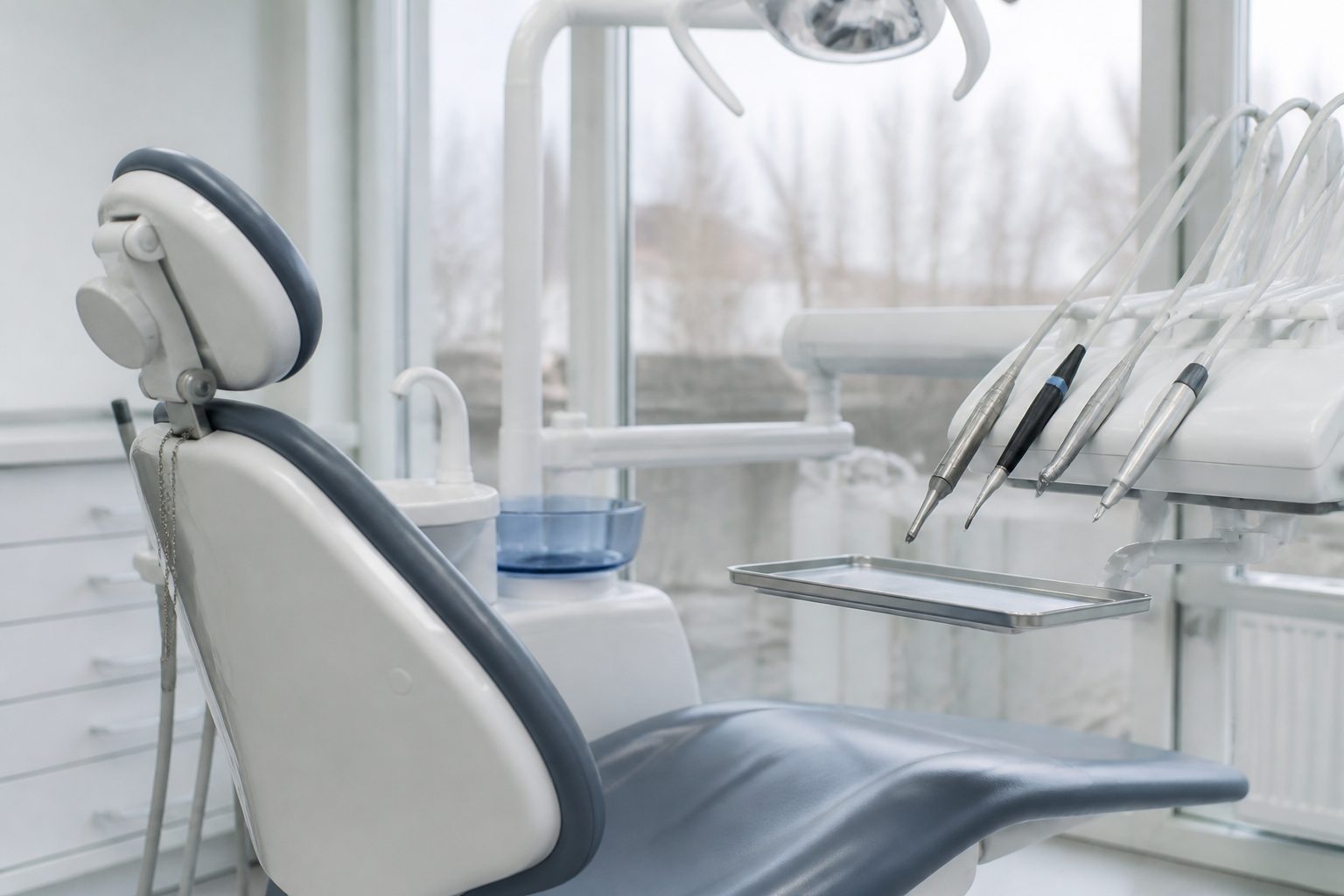
Parents seeking paediatric dental braces in India, Turkey, or Malaysia can expect to pay between $800 and $3,000, depending on the complexity of the case and the type of braces chosen. These countries are popular destinations for affordable, high-quality orthodontic care for children, with many internationally accredited hospitals and clinics offering specialist paediatric services.
This guide explains what drives the cost of braces for children in these countries, what is typically included in the price, and how to plan for treatment. It also compares typical costs, describes what to expect during the process, and answers common questions for families considering orthodontic care abroad.
What are paediatric dental braces?
Paediatric dental braces are specialised orthodontic devices designed to correct dental alignment issues in children and teenagers. These issues include crooked or crowded teeth, overbites, underbites, crossbites, and jaw misalignments. Early orthodontic intervention—often recommended between ages 7 and 14—can guide the proper growth of the jaw and permanent teeth, preventing more severe complications in adulthood.
Braces work by applying gentle, controlled pressure over time to move teeth into their ideal positions. Treatment is carefully monitored by a paediatric orthodontist, a dentist with advanced training in managing the unique needs of growing children. In India, Turkey, and Malaysia, paediatric orthodontists may use several types of braces:
- Traditional metal braces: These are the most common and cost-effective option. They consist of metal brackets bonded to the teeth and connected by wires, which are periodically tightened to shift teeth gradually.
- Ceramic (clear) braces: Made of tooth-coloured or clear materials, these braces are less noticeable but tend to be more expensive and may require extra care to avoid staining.
- Clear aligners: While less common for younger children, clear aligners (such as Invisalign) are sometimes used for older children or teens with mild to moderate alignment issues. They are removable and nearly invisible but may not be suitable for all cases.
The choice of braces depends on the child’s specific dental needs, age, and parental preference, as well as the orthodontist’s recommendation. Treatment duration typically ranges from 12 to 30 months, with regular adjustment appointments every 4 to 8 weeks. During these visits, the orthodontist checks progress and makes necessary modifications to the appliance. Successful treatment requires good oral hygiene, compliance with instructions, and consistent follow-up visits, ensuring the best possible outcome for the child’s dental health and confidence.
Why consider India, Turkey, or Malaysia for children’s braces?
India, Turkey, and Malaysia have become prominent destinations for families seeking affordable, high-quality paediatric orthodontic care. These countries offer a unique combination of internationally trained orthodontists, modern dental technology, and significant cost savings compared to Western countries like the US, UK, or Australia. This makes them attractive options for both local residents and international patients.
One of the main reasons families choose these countries is the presence of highly qualified orthodontists, many of whom have received training or certification in Europe, North America, or Australia. Major cities such as Mumbai, Delhi, Istanbul, Ankara, Kuala Lumpur, and Penang boast state-of-the-art hospitals and dental centres, many of which are accredited by international bodies like JCI or national organisations such as NABH (India) or MSQH (Malaysia). These accreditations guarantee adherence to global standards in hygiene, safety, and clinical care.
Cost is a significant factor: the total price for paediatric braces in these countries can be 50–70% lower than in Western nations, even after accounting for travel and accommodation. This affordability does not mean a compromise in quality; instead, families often benefit from shorter waiting times, personalised care, and access to the latest orthodontic techniques. Many clinics also offer all-inclusive packages, transparent pricing, and flexible payment plans, making the process straightforward and predictable.
International patient coordinators are a key feature in top clinics, helping families with everything from appointment scheduling to airport transfers and hotel bookings. English-speaking staff ensure clear communication, while child-friendly environments help reduce anxiety for young patients. These countries also offer the advantage of combining dental care with tourism, allowing families to explore local attractions during their stay.
Overall, the combination of expertise, affordability, modern facilities, and international support services makes India, Turkey, and Malaysia excellent choices for children’s braces—whether you are a local resident or traveling from abroad for care.
Cost comparison: India, Turkey, and Malaysia
The cost of paediatric dental braces depends on several factors, including the type of braces, the complexity of the child’s orthodontic issues, the reputation of the dental centre, and whether the hospital is in a major city. Below is a comparison table of typical costs for full orthodontic treatment (metal or ceramic braces) for children in these three countries. The prices reflect the full course of treatment, including initial consultation, X-rays, placement, follow-up adjustments, and removal.
| Country | Typical cost (USD) | Local currency | What’s usually included |
|---|---|---|---|
| India | $800–$1,800 | ₹66,000–₹1,48,000 | Consultation, X-rays, impressions, braces, routine adjustments, removal, basic retainers |
| Turkey | $1,200–$2,500 | ₺38,000–₺79,000 | Consultation, X-rays, braces, monthly adjustments, removal, basic retainers |
| Malaysia | $1,500–$3,000 | RM 7,000–RM 14,000 | Consultation, X-rays, braces, regular adjustments, removal, retainers |
What’s included in the price—and what isn’t
Most quoted costs for paediatric braces in these countries cover the essential elements of treatment: initial consultation, diagnostic X-rays or scans, impressions or digital scans, the braces themselves, installation, all routine adjustment visits (every 4–6 weeks), removal, and a basic retainer at the end of treatment. Emergency visits for loose wires or brackets are generally included, but this can vary.
However, some costs may not be included in base packages. These can include:
- Advanced 3D imaging or cephalometric X-rays (if required)
- Specialty retainers (e.g., clear or fixed retainers)
- Tooth extractions or other preparatory work
- Dental cleaning or fillings before starting braces
- Replacement of lost or damaged appliances
- Additional orthodontic accessories (elastics, headgear)
Always ask for a written breakdown of what is included and what may incur extra charges. Some clinics offer all-inclusive orthodontic packages, while others charge separately for each stage.
Types of braces for children: options and costs
The choice of braces affects both cost and aesthetics. The three main options are:
- Metal braces: Most common and cost-effective. Durable and suitable for most children. Available in fun coloured bands.
- Ceramic braces: Tooth-coloured, less visible but more expensive and slightly more fragile. Suitable for older children concerned about appearance.
- Clear aligners: Rare for younger children; usually for teens with mild cases. Higher cost and require discipline to wear as prescribed.
Indicative cost differences:
- Metal braces: Usually the base price ($800–$1,800 in India, $1,200–$2,500 in Turkey, $1,500–$3,000 in Malaysia)
- Ceramic braces: 20–35% more than metal
- Clear aligners: Often $2,000–$4,000 or more; less commonly recommended for children
Your child’s orthodontist will advise on the best type based on dental needs, age, and family preference.
Key cost drivers for paediatric braces abroad
The total cost of paediatric braces abroad depends on several interconnected factors. Understanding these cost drivers can help families budget accurately and make informed decisions when comparing clinics in India, Turkey, or Malaysia.
- Complexity of treatment: The severity of your child’s dental issues—such as crowding, spacing, bite misalignment, or jaw discrepancies—directly impacts the length and complexity of treatment. More complicated cases require longer treatment times, additional appliances (like expanders or elastics), and more frequent adjustments, all of which increase the overall cost.
- Type of braces: Traditional metal braces are typically the most affordable option, while ceramic (clear) braces and lingual braces (placed behind the teeth) come at a premium due to higher material costs and greater technical expertise required. Some clinics may also offer self-ligating brackets or clear aligners, which can further raise prices, especially if imported brands are used.
- Hospital or clinic reputation: Well-known, accredited hospitals and dental centres—especially those with JCI, NABH, or MSQH accreditation—often charge higher fees. However, these facilities provide added peace of mind through rigorous safety protocols, advanced equipment, and experienced staff.
- City and location: The cost of living and real estate in major cities like Mumbai, Istanbul, or Kuala Lumpur means clinics in central or upscale neighbourhoods generally have higher prices than those in smaller towns or suburbs. However, urban clinics may offer more comprehensive services and better infrastructure for international patients.
- Additional dental work: Pre-orthodontic procedures such as tooth extractions, fillings, scaling, or professional cleaning are not always included in the base price of braces. These necessary treatments can add to the total cost, so clarify what is covered in the initial estimate.
- Retainers and aftercare: Most clinics include basic retainers in the treatment package, but specialty retainers (such as clear or fixed types) or replacement retainers are often billed separately. Aftercare visits or emergency appointments may also incur extra charges.
- Import taxes and material sourcing: In some countries, the cost of imported orthodontic materials or brands can influence the final price. Ask if the clinic uses local or imported products, as this can affect both quality and cost.
To avoid unexpected expenses, always request a comprehensive, itemised estimate before beginning treatment. This should outline all foreseeable charges, including consultations, diagnostics, braces, adjustments, retainers, and any potential extras. Transparent communication with your chosen clinic is essential for a smooth, cost-effective orthodontic journey.
How to choose a hospital or clinic for your child
Selecting the right hospital or dental clinic for your child’s orthodontic treatment is crucial, especially when considering care in India, Turkey, or Malaysia. Quality, safety, and a child-friendly approach should always be top priorities, but cost, convenience, and international support services also play important roles. Here’s how to make an informed choice:
- Specialist paediatric orthodontists: Confirm that the clinic has orthodontists with specific training and experience in treating children and adolescents. Inquire about their credentials, professional memberships, and years of practice in paediatric orthodontics. This ensures your child receives age-appropriate treatment and care.
- Hospital accreditation: Look for clinics and hospitals with recognised accreditations—such as JCI (Joint Commission International) for global standards, NABH (National Accreditation Board for Hospitals) in India, or MSQH (Malaysian Society for Quality in Health) in Malaysia. Accredited facilities adhere to strict protocols for patient safety, hygiene, and clinical quality.
- International patient services: If you are traveling from abroad, choose clinics with dedicated international patient coordinators who speak English and are experienced in helping overseas families. They can assist with visa letters, airport transfers, appointments, and local accommodation, making your experience smoother and less stressful.
- Transparent pricing: Always request a comprehensive, written quote that includes all anticipated costs—consultations, diagnostics, braces, adjustment visits, retainers, and any possible extras like emergency visits or replacement appliances. This helps you avoid unexpected expenses and compare options fairly.
- Child-friendly environment: A welcoming, child-focused atmosphere can make a significant difference in your child’s comfort and cooperation. Look for clinics with play areas, colourful decor, staff trained in child psychology, and amenities that reduce anxiety, such as distraction techniques or sedation options for nervous children.
- Location and accessibility: Consider the clinic’s proximity to your home or hotel, availability of parking or public transport, and ease of scheduling appointments around your child’s school commitments.
Before making a final decision, read patient reviews and testimonials—especially those from other international families. Verify the clinic’s credentials and ask for references if needed. Taking these steps ensures your child receives safe, high-quality orthodontic care in a supportive environment, no matter the country.
Planning your trip: What to expect and practical tips
Orthodontic treatment for children requires regular follow-up visits, typically every 4–6 weeks. For international patients, this is often managed in two ways:
- Relocating temporarily: Some families stay in-country for several months to complete the initial intensive phase, then arrange remote follow-up with a local orthodontist at home.
- Dental tourism with local follow-up: Initial placement is done abroad, with adjustments handled by a local specialist at home. This requires coordination between clinics and may involve extra costs.
Practical tips:
- Bring all dental records, X-rays, and prior orthodontic history to your first appointment.
- Discuss contingency plans for emergencies or lost appliances after returning home.
- Check visa requirements for the chosen country, especially for longer stays.
- Book accommodation near the clinic for convenience, especially for young children.
- Factor in travel costs, accommodation, and incidental expenses when budgeting for treatment abroad.
Some hospitals offer bundled medical tourism packages, including transfers and hotel stays, which can simplify logistics.
How to save safely on paediatric braces
Paediatric braces can be a significant investment, but families can take several steps to reduce costs without sacrificing the quality or safety of their child’s care. Being proactive and informed is essential—especially when seeking treatment in countries like India, Turkey, or Malaysia, where options and pricing can vary widely.
- Compare multiple quotes: Research and contact at least three to five reputable, accredited clinics in your chosen country. Request detailed, written estimates that break down all fees—such as consultation, diagnostics (X-rays, impressions), appliance cost, adjustment visits, and retainers. Comparing these side by side helps identify fair pricing and avoid hidden charges.
- Avoid unnecessary extras: Clinics may offer optional upgrades, such as ceramic or self-ligating brackets, or additional cosmetic procedures. Ask the orthodontist to explain the necessity and benefits of each extra. Only opt for essential treatments unless the upgrade is clearly justified and medically necessary.
- Schedule off-peak: Some clinics in India, Turkey, and Malaysia offer discounts during less busy periods, such as weekdays, early mornings, or outside of school holidays. Ask about special pricing for these slots, as it can lead to meaningful savings.
- Negotiate all-inclusive packages: Many hospitals and dental centres offer bundled packages that cover the full course of treatment, including initial consultations, X-rays, retainers, and routine follow-up visits. Bundling can simplify budgeting and often results in a lower overall cost than paying for each service separately.
- Ask about payment plans: Staged or installment payment options are common in these countries. This can ease the financial burden by spreading the cost over the duration of treatment—typically 12 to 30 months.
- Explore insurance and government schemes: In some cases, local or international health insurance may cover part of the orthodontic treatment, especially if it is deemed medically necessary. In Malaysia and India, certain government programs or charity foundations may subsidise braces for children from low-income families.
Regardless of the savings strategies used, never compromise on the clinic’s accreditation, the orthodontist’s qualifications, or hygiene standards. Prioritise clinics with recognised certifications (such as JCI, NABH, or MSQH) and paediatric orthodontists with proven experience. Saving money should never come at the expense of your child’s safety or long-term dental health.
Frequently asked questions
How early can my child start orthodontic treatment?
Most children can start orthodontic evaluation by age 7, but braces are usually recommended between ages 9 and 14, once most permanent teeth have erupted. Early assessment helps catch issues before they worsen.
Are there hidden costs with paediatric braces abroad?
Some clinics may not include X-rays, retainers, or emergency visits in the initial price. Always request a full written quote detailing what’s included and ask about possible extra charges for lost appliances or additional treatments.
Can my child have follow-up appointments at home after starting braces abroad?
Yes, but you’ll need coordination between the overseas orthodontist and a local specialist. Some families stay for the initial phase abroad, while others arrange for a local orthodontist to handle follow-ups. Confirm this arrangement before starting treatment.
Are ceramic or clear braces suitable for younger children?
Ceramic braces are usually suitable for older children and teens concerned about appearance. Clear aligners are less commonly used for young children due to compliance issues. Your orthodontist will recommend the best option based on your child’s needs.
Is the quality of orthodontic care in India, Turkey, and Malaysia comparable to the US or UK?
Many clinics in these countries meet international standards, especially those with JCI or national accreditation. Experienced paediatric orthodontists and modern facilities are common in major cities. Always check credentials and patient reviews.
Related guides
Disclaimer: Prices are indicative and vary by case complexity, hospital, and city. Always request a written quote and consult a qualified orthodontist before making decisions about your child’s treatment.