
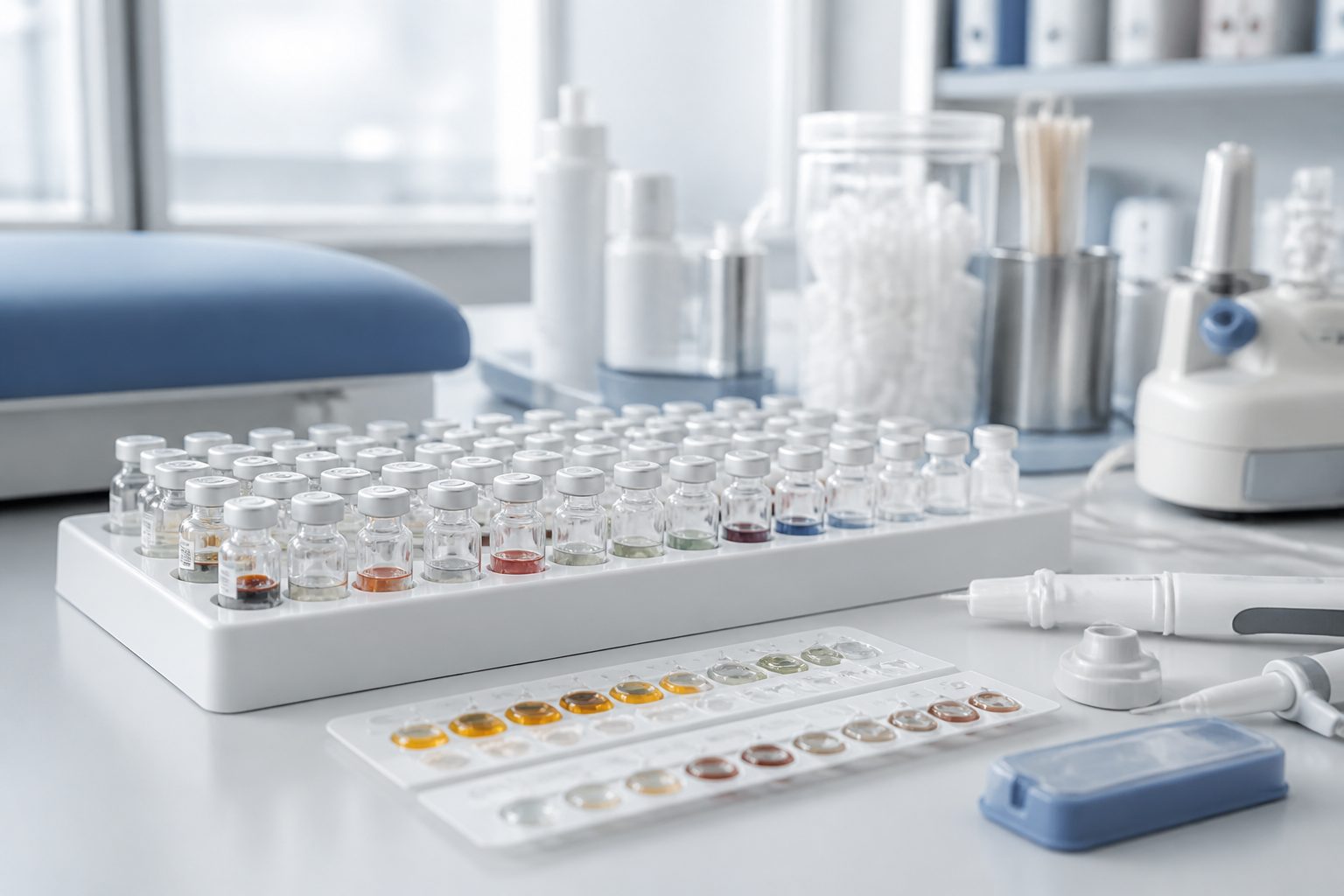
Parents in South Africa seeking allergy testing for their children can expect to pay between $80 and $300, depending on the test type and whether the facility is public or private. This guide explains what drives those costs, what to expect during the process, and how to plan for related expenses.
This article is for parents and caregivers looking for reliable information on paediatric allergy testing costs, reputable children’s hospitals and clinics, and practical steps to manage both the testing and its costs in South Africa.
Types of allergy tests for children in South Africa
Children in South Africa can undergo several types of allergy tests, each with its own cost profile and suitability. The most common are skin prick tests, blood (IgE) tests, and patch tests. Skin prick tests are often used for food and environmental allergies and are widely available at specialist clinics and some larger hospitals. Blood tests (such as ImmunoCAP) are used when skin testing is not suitable or needs confirmation. Patch testing is typically reserved for suspected contact allergies. Each method has its own advantages, limitations, and price points.
In most paediatric cases, an initial consultation with a paediatric allergist or immunologist is required, which adds to the overall cost. The consultation typically costs between $40 and $80 (R700–R1,400) at private facilities. After the initial assessment, the specialist will recommend the most appropriate testing method for your child’s symptoms and history.
Typical costs at leading children’s hospitals and clinics
The price of paediatric allergy testing in South Africa varies widely depending on the type of healthcare facility, the specific tests required, and the region. In public hospitals, such as the Red Cross War Memorial Children’s Hospital in Cape Town or Charlotte Maxeke Johannesburg Academic Hospital, costs are typically lower due to government subsidies. For South African citizens with a referral, basic allergy testing (such as skin prick tests) may cost only a nominal fee—sometimes under R200 per test—while more specialised blood tests or consultations may incur additional charges. However, public hospitals often have longer waiting times and may prioritise urgent or severe cases, making early booking essential.
Private hospitals and specialist clinics, including those within the Netcare and Life Healthcare groups, offer faster access, shorter waiting times, and a broader range of testing options. These facilities, particularly those with dedicated paediatric allergy units, generally charge higher fees: initial consultations can range from R800 to R2,000, while standard allergy testing may cost between R1,500 and R4,000, depending on the number of allergens tested and the complexity of the case. Blood-based tests, such as ImmunoCAP or RAST panels, are typically more expensive than skin prick tests and may be recommended for younger children or those with extensive skin conditions.
Major cities like Cape Town, Johannesburg, Durban, and Pretoria have the highest concentration of paediatric allergy specialists and clinics, which means more choices but also a greater range in pricing. Some private practices offer comprehensive packages that include the consultation, testing, and results interpretation, while others bill each service separately. It’s important for parents to ask for a detailed breakdown of costs before proceeding. Medical aid coverage varies, so confirm with your insurer what portion of the costs will be reimbursed. For families without insurance, university-affiliated hospitals and teaching clinics may offer reduced rates or special programs for children. Ultimately, the best approach is to research options early, compare prices, and clarify exactly what is included in each facility’s quoted price.
What is included in the quoted price?
When you receive a quote for paediatric allergy testing in South Africa, the price generally includes the direct costs associated with the administration of the chosen test. This typically means you are paying for the test procedure itself—whether it is a skin prick test, blood test (such as specific IgE testing), or a patch test for contact allergens. The fee covers all consumables involved in the process, such as sterile needles, lancets, test solutions (allergen extracts), adhesive patches, and laboratory reagents necessary for accurate analysis. The cost of running and maintaining laboratory equipment and the time of laboratory technicians is also factored into the quoted price.
Another key component included is the interpretation of the test results. This is usually performed by a paediatric allergist or clinical immunologist, who will review the findings and provide a clinical report. In some private settings, a brief verbal explanation of results may be included, but a detailed consultation to discuss the implications, management, or next steps is often billed separately. In private hospitals or clinics, the initial consultation fee with the specialist is usually not bundled into the test price and should be expected as an extra charge.
In public hospitals, the quoted price is often subsidised by the government, especially for South African citizens and those with a referral from a primary healthcare provider. However, there may still be a nominal fee for the test itself or for seeing a specialist, particularly for non-citizens or private patients. Some medical aid (insurance) schemes in South Africa may reimburse the full or partial cost of allergy testing, but coverage can vary widely depending on the provider and plan. It is essential for parents to confirm the details of their coverage—including which types of tests and consultations are included—before proceeding with any bookings, to avoid unforeseen expenses.
Cost comparison: South Africa and other countries
| Country | Skin Prick Test (per panel) | Blood (IgE) Test | Initial Specialist Consult |
|---|---|---|---|
| South Africa | $80–$120 (R1,400–R2,100) | $120–$300 (R2,100–R5,200) | $40–$80 (R700–R1,400) |
| India | $30–$70 (₹2,500–₹5,800) | $50–$150 (₹4,200–₹12,500) | $15–$40 (₹1,200–₹3,300) |
| UK (private) | $120–$250 (£95–£200) | $150–$350 (£120–£280) | $100–$200 (£80–£160) |
| USA | $200–$400 | $300–$600 | $150–$300 |
| Australia | $110–$220 (A$160–A$320) | $150–$350 (A$220–A$520) | $80–$150 (A$120–A$220) |
| Philippines | $30–$80 (₱1,700–₱4,500) | $50–$120 (₱2,800–₱6,700) | $10–$25 (₱560–₱1,400) |
What drives the price of paediatric allergy testing?
Several factors influence the cost of allergy testing for children in South Africa. The type of test is the primary driver: skin prick tests are generally less expensive than blood-based IgE tests, which require laboratory analysis. The number of allergens tested in a single panel also affects the price, as does the complexity of the case—children with multiple or unusual symptoms may need more comprehensive panels or additional consultations.
Location plays a significant role: testing in major cities and private hospitals tends to cost more than in smaller towns or public facilities. The experience and qualifications of the paediatric allergist or immunologist may add to the fee, especially at highly specialised children’s hospitals. Lastly, whether your child requires sedation (rare but possible in some cases) or additional diagnostic procedures will increase the total cost.
How to choose the right facility for your child
When selecting a hospital or clinic for allergy testing, prioritise facilities with paediatric specialists and experience in allergy diagnosis and management. Look for hospitals with dedicated children’s units or paediatric allergy clinics. In South Africa, Red Cross War Memorial Children’s Hospital and Charlotte Maxeke Johannesburg Academic Hospital are both recognised for their paediatric expertise. Private clinics with board-certified paediatric allergists are also a good choice, especially if you need faster access or more personalised care.
Check the facility’s accreditation (such as HPCSA registration for practitioners), and ask about the availability of child-friendly environments and support staff. For families with medical aid, confirm which providers are within your network to reduce out-of-pocket expenses. For uninsured families, ask for a detailed quote and clarify what is included in the price.
What is not included in most prices
When considering paediatric allergy testing prices in South Africa, it’s important to understand that the quoted amount often covers only a portion of the total potential costs. Most standard price quotes do not include the fees for follow-up consultations, which are typically necessary to discuss the results and plan further management. In addition, any prescription medications that may be recommended after testing—such as daily antihistamines, corticosteroid nasal sprays, or emergency epinephrine auto-injectors—are usually billed separately and can add significantly to the overall expense.
Further investigations, such as more specific blood tests (like ImmunoCAP or RAST for particular allergens), oral food challenges, or patch testing for contact allergies, are rarely included in the initial price and may be recommended if the first round of testing is inconclusive. Hospital administration fees, which cover the cost of processing paperwork and maintaining records, are also commonly added as separate line items, especially in private clinics. If your child requires dietary counselling from a registered dietitian or needs to be referred to other specialists such as pulmonologists or dermatologists, expect these services to generate additional charges.
Indirect costs can also mount up. Parents should factor in transportation to and from the testing centre, which can be substantial for families in rural areas who may have to travel to major cities like Cape Town, Johannesburg, or Durban for specialist care. If an overnight stay is needed, accommodation near the hospital or clinic is another out-of-pocket expense to consider. Furthermore, many parents may need to take time off work, resulting in lost income. Medical aid (insurance) coverage varies; some schemes only partially cover allergy testing, leaving families responsible for co-payments or the full balance if certain tests or consultations are not included in their plan. Always clarify with your healthcare provider and insurer exactly what is and isn’t covered to avoid unexpected bills.
How to save on allergy testing costs
Managing the cost of paediatric allergy testing in South Africa requires a strategic approach, especially for families without comprehensive medical aid. The first step is to obtain a referral from a general practitioner (GP) or local clinic, particularly if you plan to use public healthcare services. A referral not only streamlines access to specialist services but can also reduce or eliminate specialist consultation fees, as some public hospitals require referrals for subsidised rates.
If you have medical aid, check whether your scheme has a network of preferred providers. Using in-network hospitals or clinics can substantially lower out-of-pocket expenses, as these facilities often have negotiated rates with insurers. Additionally, ask the provider if they offer bundled packages that combine the consultation, testing, and result interpretation into a single, reduced fee. Bundled packages are becoming more common in private clinics and can be more economical than paying for each service separately.
For families without insurance, it’s wise to compare prices from several clinics, both public and private. University-affiliated hospitals, such as those linked to major medical schools in Cape Town, Johannesburg, and Durban, sometimes offer discounted rates for allergy testing as part of their teaching programs. These hospitals may also have shorter waiting lists for certain services. Keep an eye out for outreach programs or special clinics run by non-governmental organisations (NGOs), which occasionally provide free or low-cost allergy screening for children in underserved communities.
Other practical ways to save include scheduling multiple children for testing on the same day (if needed), which may qualify you for a family discount, and asking about payment plans if upfront costs are prohibitive. Always confirm what is included in any quoted price to avoid hidden charges, and check whether follow-up consultations or additional testing will be needed. By being proactive and informed, parents can significantly reduce the financial burden of allergy testing for their children.
Planning tips for parents
To navigate the process of paediatric allergy testing in South Africa efficiently and cost-effectively, parents should start by booking appointments as early as possible. Major children’s hospitals and specialist allergy clinics, particularly in cities like Cape Town, Johannesburg, and Durban, often have long waiting lists, especially for non-urgent cases. If you require testing at a public hospital, obtaining a referral from your general practitioner or local clinic can expedite the process and may be necessary for subsidised rates.
Before the appointment, gather all relevant medical records, including your child’s vaccination booklet, details of previous allergic reactions, and a list of any current or recently discontinued medications. This information helps the allergist tailor the testing process and interpret results more accurately. It’s also important to ask the specialist or clinic staff in advance whether your child needs to stop taking antihistamines or other medications before the test, as these can interfere with certain types of allergy testing.
After the testing is completed, request a comprehensive written report and ensure you understand the results. Ask the specialist to clarify any recommended next steps, such as dietary modifications, avoidance strategies for specific allergens, or the need for further testing or follow-up appointments. If your child feels anxious about needles or medical procedures, inquire whether the hospital or clinic offers child life services or play therapy support—these are available at some larger children’s hospitals and can make the experience less stressful.
Additionally, check with your medical aid provider about coverage for both the testing and any related consultations or treatments. If you are travelling from a rural area or another province, plan your trip to minimise costs—consider scheduling multiple medical appointments in one visit or researching affordable accommodation options near the hospital. Being organised and proactive can help reduce both financial and emotional stress throughout the allergy testing journey.
Frequently asked questions
How soon can I get results from allergy tests?
Skin prick test results are usually available within 20–30 minutes during your visit. Blood (IgE) test results typically take 3–7 days, depending on the laboratory and location. Ask your clinic about expected turnaround times when you book.
Can my medical aid cover the cost of allergy testing?
Many medical aid schemes in South Africa cover all or part of paediatric allergy testing, especially if referred by a GP or paediatrician. Coverage varies by plan, so it’s best to confirm benefits and network providers before scheduling tests.
Are allergy tests painful for children?
Skin prick tests involve a series of small scratches on the skin, which may cause mild discomfort but are generally well tolerated. Blood tests require a standard blood draw. Most children cope well, especially in child-friendly clinics.
How do I prepare my child for allergy testing?
Some medications, such as antihistamines, need to be stopped several days before testing. Your doctor will provide instructions. Explain the procedure in simple terms to your child and bring a favourite toy or book for comfort.
What happens if my child is diagnosed with an allergy?
The doctor will recommend avoidance strategies, possible dietary changes, and may prescribe medication if needed. In some cases, referral to a dietitian or additional specialists is suggested for ongoing management.
Related guides
Disclaimer: Prices and information in this article are indicative and vary by hospital, clinic, and individual case. Always request a written quote and consult a qualified paediatric specialist for medical advice and diagnosis.