
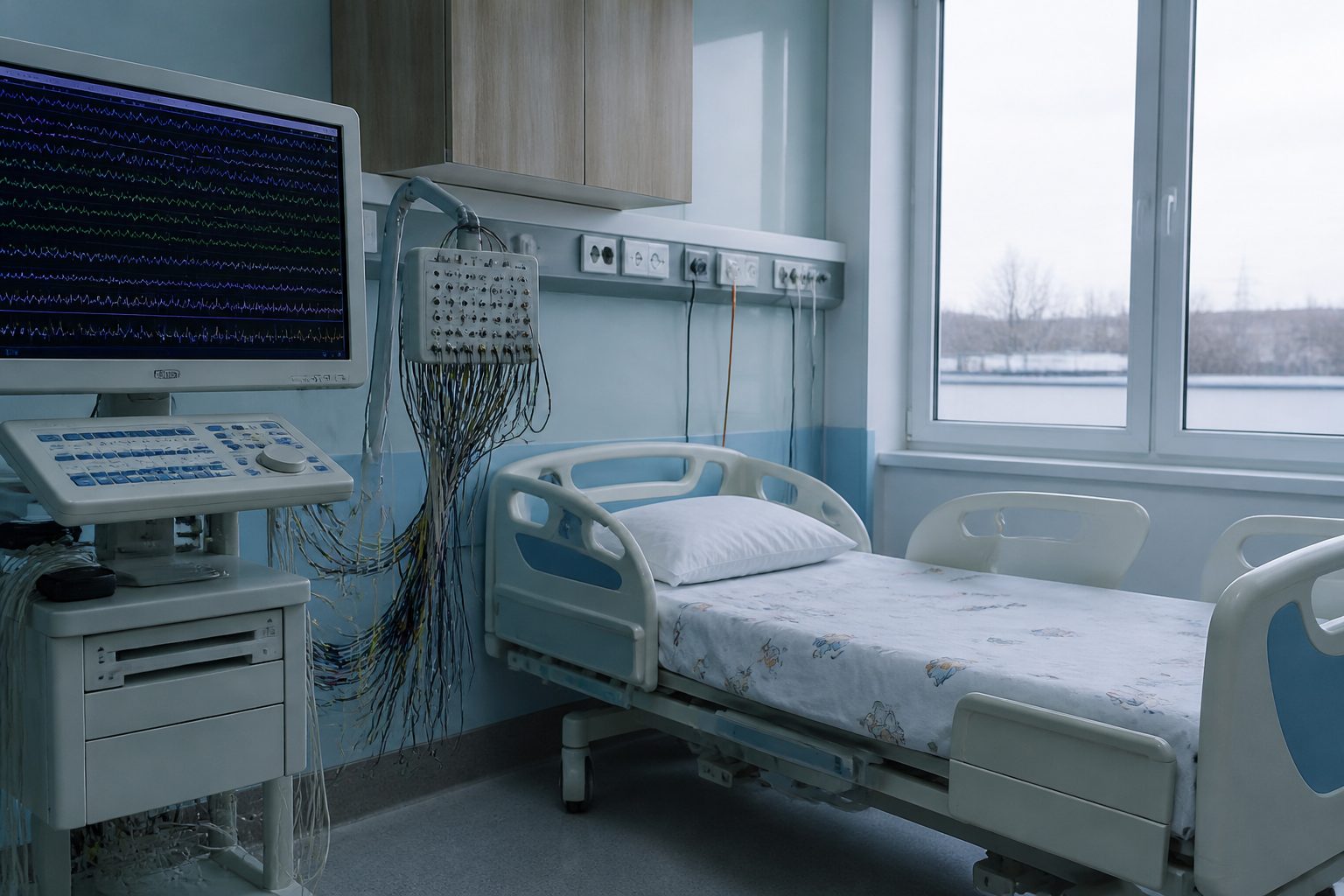
Families seeking childhood epilepsy treatment in India, the UK, or the UAE will find significant differences in costs, hospital options, and what’s included in the price. This guide compares typical expenses, explains what to expect, and offers practical advice for international patients.
Expect to pay $1,500-$7,500 (₹1.25-6.2 lakh) in India, $6,000-$22,000 (£4,700-17,000) in the UK, and $8,000-$28,000 (AED 29,000-102,500) in the UAE for comprehensive paediatric epilepsy care, depending on the treatment approach and hospital chosen.
What is childhood epilepsy and how is it treated?
Childhood epilepsy is a chronic neurological disorder characterized by recurrent, unprovoked seizures in children. These seizures result from abnormal electrical activity in the brain and can vary in type and severity, ranging from brief lapses in attention to intense convulsions. The condition can have a significant impact on a child’s cognitive, emotional, and physical development, making timely and effective treatment crucial.
Treatment for childhood epilepsy is multifaceted and tailored to the individual child. The process typically begins with a comprehensive evaluation by a paediatric neurologist, who will conduct a thorough clinical assessment and order diagnostic tests such as electroencephalogram (EEG) and magnetic resonance imaging (MRI). These tests help identify the type of epilepsy, possible causes, and guide the choice of therapy.
The first line of treatment usually involves anti-epileptic drugs (AEDs), which aim to control seizures while minimizing side effects. The choice of medication depends on the seizure type, age, and any underlying conditions. In India, generic AEDs can make treatment more affordable, whereas in the UK and UAE, branded medications may be used more frequently, impacting overall cost. Regular monitoring and dose adjustments are necessary, as children’s needs change with growth.
For children whose seizures are not controlled with medication alone, advanced therapies may be considered. These include:
- Ketogenic diet therapy: A high-fat, low-carbohydrate diet supervised by a medical team, particularly effective for certain epilepsy syndromes.
- Vagus nerve stimulation (VNS): Surgical implantation of a device that sends electrical impulses to the brain via the vagus nerve, reducing seizure frequency in some cases.
- Epilepsy surgery: In select cases, removing or disconnecting the area of the brain causing seizures can offer significant improvement, especially when seizures are focal and medication-resistant.
In addition to seizure control, treatment plans may include developmental and psychological support, physiotherapy, occupational therapy, and speech therapy to address the broader impact of epilepsy on a child’s life. Ongoing follow-up with the healthcare team is essential to monitor progress, manage side effects, and adjust treatment as needed. Emergency care plans are also developed for families to manage breakthrough seizures safely.
Cost comparison: India, UK, and UAE
The cost of treating childhood epilepsy varies widely based on the country, hospital, and the complexity of the child’s condition. Here is a comparison of average costs for the main components of care in each country. Prices reflect private-sector or self-pay rates, as public healthcare (such as the NHS in the UK) may not be accessible for non-residents or international patients.
| Country | Initial evaluation (EEG, MRI, consult) | Medication (annual) | Ketogenic diet (setup & 1st yr) | VNS surgery | Epilepsy surgery |
|---|---|---|---|---|---|
| India | $700-$1,200 (₹58,000-1 lakh) | $250-$1,200 (₹21,000-1 lakh) | $1,000-$2,500 (₹83,000-2 lakh) | $4,000-$7,500 (₹3.3-6.2 lakh) | $4,500-$8,500 (₹3.7-7 lakh) |
| UK | $1,200-$2,800 (£950-2,250) | $900-$2,200 (£700-1,700) | $2,000-$5,000 (£1,600-4,000) | $10,000-$18,000 (£7,900-14,200) | $14,000-$22,000 (£11,000-17,000) |
| UAE | $1,800-$3,500 (AED 6,600-13,000) | $1,200-$3,500 (AED 4,400-13,000) | $2,800-$7,000 (AED 10,300-25,700) | $13,000-$21,000 (AED 47,700-77,000) | $16,000-$28,000 (AED 58,700-102,500) |
What is included in the price?
Understanding exactly what is included in the quoted price for childhood epilepsy treatment is essential for effective budgeting and avoiding unexpected expenses. In practice, what is covered can vary significantly depending on the country, hospital, and type of treatment chosen.
Most standard treatment packages in India and the UAE include the core elements required for diagnosis and initial management. These typically cover:
- Initial and follow-up consultations with paediatric neurologists
- Diagnostic tests such as EEG, MRI, and basic blood work
- Hospital stay for a specified number of days (often 3-7 days for diagnostic admission or medication initiation)
- Routine inpatient medications and nursing care
- A set number of follow-up outpatient visits within a defined period
In the UK, particularly within the private sector, costs are often itemized rather than packaged. This means that each element—consultations, imaging, hospital stay, anaesthesia, and specialist input—may be billed separately, making it important to request a full breakdown. NHS treatment is generally free to residents, but private care can quickly become expensive if multiple services are required.
For advanced therapies, such as the ketogenic diet, vagus nerve stimulation (VNS), or epilepsy surgery, packages may include:
- The procedure or surgical intervention itself
- Operating room and anaesthesia fees
- Post-operative hospital stay (with a set duration)
- Immediate post-operative monitoring and care
However, several important items are often excluded from these packages. These can include extended ICU stays, repeated imaging or laboratory tests, take-home medications, and long-term rehabilitation or therapy sessions. Ongoing follow-up appointments, especially after surgery or device implantation, are frequently billed separately. In the UAE and UK private sector, even small items such as wound care supplies or dietary supplements may incur additional charges.
To avoid misunderstandings, always request a detailed, itemized cost estimate before beginning treatment. Clarify which services are included, which are extra, and what the process is for handling complications or emergencies that may arise during the course of treatment.
Hidden costs and exclusions
When considering the cost of childhood epilepsy treatment, families should be aware that the initial price quoted by hospitals or clinics rarely reflects the full financial picture. There are often a range of additional expenses—some predictable, others unexpected—that can significantly increase the total cost of care. These hidden costs can vary by country, hospital, and the specific needs of the child.
Common hidden costs and exclusions include:
- Pre-admission tests: Some hospitals do not include all necessary blood work, imaging, or genetic testing in their standard packages. These tests can be essential for diagnosis and treatment planning.
- Extended hospital stays: If a child needs to remain in hospital longer than the package allows—due to complications, slow recovery, or additional monitoring—extra nights are billed separately, often at a premium rate.
- Consultations with other specialists: Children with epilepsy may require input from cardiologists, geneticists, psychologists, or other experts, especially if they have complex or syndromic epilepsy. Each consultation may incur an extra fee.
- Medications for home use: While inpatient medication is usually included, take-home prescriptions or long-term anti-epileptic drugs are often excluded and can represent a significant ongoing expense, particularly for brand-name drugs in the UK and UAE.
- Therapies and rehabilitation: Speech therapy, occupational therapy, and physiotherapy are frequently needed but may not be covered in the main package. These services are crucial for supporting development and quality of life.
- Emergency care: Breakthrough seizures or complications may require urgent medical attention, ambulance services, or unplanned hospital admissions, all of which can be costly and are rarely included in standard packages.
- Travel and accommodation: Especially for families traveling from rural areas or abroad, the cost of flights, local transportation, hotels, and visas can add up quickly, particularly in the UAE and UK.
International patients should also be aware that some hospitals charge higher rates for non-residents or require advance deposits, especially in the UAE and UK private sector. Documentation, translation, and visa support services may have separate fees as well. To avoid surprises, families are advised to ask for a comprehensive written list of inclusions and exclusions, and to budget an additional 15-25% above the quoted price to cover unforeseen expenses and emergencies.
Best children’s hospitals for epilepsy care
When choosing a hospital, look for a centre with a dedicated paediatric neurology or epilepsy program. In India, top options include large teaching hospitals and private children’s hospitals in major cities like Delhi, Mumbai, and Bangalore. These centres typically have paediatric neurologists, epilepsy monitoring units, and access to paediatric neurosurgery if needed.
In the UK, leading children’s hospitals such as Great Ormond Street Hospital (London), Alder Hey Children’s Hospital (Liverpool), and Birmingham Children’s Hospital are well regarded for epilepsy care. Private paediatric neurology services are available in London and select regional centres. In the UAE, major hospitals in Dubai and Abu Dhabi, such as Al Jalila Children’s Specialty Hospital, offer international-standard paediatric neurology and epilepsy services, often with English-speaking staff and international patient coordinators.
What drives the price of epilepsy treatment?
Several factors affect the cost of childhood epilepsy care:
- Type of treatment: Medication management is less expensive than surgery or device implantation.
- Complexity of the case: Children with drug-resistant epilepsy, co-morbidities, or rare syndromes may need more intensive workup and longer hospital stays.
- Hospital reputation and location: Large academic centres, JCI-accredited hospitals, and those in major cities charge more.
- Length of stay: Extended ICU or ward stays increase costs, especially for surgical cases.
- Inclusions in the package: Comprehensive packages may seem pricier but offer better value if they cover all major needs.
It’s wise to compare several hospitals and clarify exactly what is included before making a decision.
How to choose a hospital and doctor
Selecting the right hospital and doctor is a critical step in ensuring effective and comprehensive epilepsy care for your child. The quality of care, available expertise, and support services can vary greatly between institutions and countries, directly impacting outcomes and overall costs.
Begin by searching for hospitals with a dedicated paediatric epilepsy program or centre. Ideally, the hospital should have a multidisciplinary team that includes paediatric neurologists, neurosurgeons, neuropsychologists, epilepsy nurses, and dieticians. This team-based approach is essential for managing complex cases, especially when advanced therapies or surgery are considered. Ask about the hospital’s specific experience with your child’s epilepsy type—some centres specialize in rare or difficult-to-treat syndromes.
Key factors to consider include:
- Volume and outcomes: Inquire how many paediatric epilepsy surgeries or advanced procedures (e.g., VNS, ketogenic diet initiation) are performed annually and what the success rates are.
- Diagnostic capabilities: Access to state-of-the-art diagnostics such as long-term video-EEG monitoring, 3T MRI, and genetic testing is crucial for accurate diagnosis and treatment planning. Top hospitals in India’s major cities, the UK’s NHS tertiary centres, and leading UAE hospitals typically offer these services.
- International support: For families traveling from abroad, check for English-speaking staff, international patient coordinators, and assistance with travel, accommodation, and visa arrangements. This is especially important in the UAE and UK private sector.
- Waiting times and accessibility: In the UK, NHS waiting times for specialist appointments and procedures can be lengthy, while private care is faster but more expensive. In India and the UAE, private hospitals usually offer quicker access but at varying price points.
- Ongoing care and telemedicine: For long-term management, look for centres that provide telemedicine consultations, remote follow-up, and collaboration with your local healthcare providers. This can reduce the need for repeated travel and support continuity of care.
Finally, read patient reviews, seek recommendations from support groups, and ask for direct communication with the care team before making a decision. Ensuring the hospital has experience with international cases and a proven track record in paediatric epilepsy will help you feel confident in your choice.
Tips for international families
Travelling abroad for epilepsy care requires careful planning. Here are some practical tips:
- Obtain a detailed medical summary, including seizure history, medications, and previous test results, translated to English if needed.
- Check visa requirements for the chosen country; medical visas may be available for India and the UAE.
- Ask for a written quote that specifies what is included and excluded; request a sample daily schedule for inpatient care.
- Consider the climate and local environment, especially if your child is sensitive to heat or infection risks.
- Look into accommodation options near the hospital, as well as local transport and food suitable for children.
- Prepare for follow-up—ask about telemedicine options and how medication prescriptions will be managed after returning home.
Having a support person or translator can ease communication and daily logistics during your stay.
How to save safely on epilepsy care
There are ways to reduce costs without compromising safety or outcomes:
- Choose hospitals in second-tier cities in India, where quality may still be high but costs lower than in Delhi or Mumbai.
- Ask about bundled packages for all-inclusive care, which can limit surprise bills.
- For medication management, request generic drugs where possible, and see if follow-up can be done via telemedicine to reduce repeat travel.
- Inquire about charity programs, hospital discounts for self-pay patients, or payment plans, especially in India and the UAE.
- Double-check that your child’s insurance (if any) covers overseas care, and whether direct billing with the hospital is possible.
Never compromise on the experience of the medical team or hospital safety standards to save money. Always verify accreditations and references.
Bottom line: What to expect and how to prepare
Treating childhood epilepsy is often a long-term, evolving process that requires commitment from families and a multidisciplinary healthcare team. The journey typically begins with a diagnosis, followed by a tailored treatment plan that may involve medication, dietary therapy, surgery, or device implantation, depending on the child’s specific needs. Each step comes with its own set of costs, logistical considerations, and emotional challenges.
In India, families generally benefit from lower medical costs due to the availability of generic drugs, competitive hospital pricing, and a high volume of experienced specialists. However, the quality of care can vary between urban and rural centres, and access to advanced therapies like VNS or epilepsy surgery may be limited to major metropolitan hospitals. In the UK, the National Health Service (NHS) provides comprehensive care at no direct cost to residents, but waiting times can be long. Private sector treatment is available for faster access, but costs can be significant and are often billed item by item. The UAE offers advanced, internationally accredited hospitals with English-speaking staff, but treatment costs tend to be higher, especially for expatriate or international patients.
To prepare, families should:
- Request a detailed, written treatment plan and itemized cost estimate from their chosen hospital.
- Clarify exactly what is included in quoted prices (diagnostics, hospital stay, follow-up care, medications, etc.).
- Plan for additional expenses such as travel, accommodation, and unforeseen medical needs.
- Budget for ongoing follow-up appointments, therapy sessions, and possible emergency care.
- Check insurance coverage or explore government or charitable funding options if available.
It’s important to research hospitals and doctors thoroughly, considering both clinical outcomes and support services for families. With careful planning, open communication with the medical team, and a clear understanding of the financial implications, families can access high-quality epilepsy care that fits their budget and meets their child’s needs.
Frequently asked questions
How soon can I get an appointment for my child?
Private hospitals in India and the UAE can often provide appointments within days to a week. In the UK, private appointments are usually available within two weeks, but NHS waiting times may be much longer. Always confirm with the hospital’s international patient desk.
Are epilepsy medications included in package prices?
Most packages include medications only for the inpatient period or the first few days after discharge. Long-term medication costs are billed separately and vary by drug type and brand. Always clarify this point when reviewing your quote.
Can my child have epilepsy surgery in all three countries?
Yes, paediatric epilepsy surgery is available in advanced centres in India, the UK, and the UAE. However, only select hospitals have the required paediatric neurosurgical expertise and monitoring facilities. Confirm the hospital’s experience and volume of paediatric cases before choosing.
Is long-term follow-up possible after treatment abroad?
Most major hospitals offer telemedicine or remote follow-up for international patients. However, you will still need a local doctor to manage medication refills and any emergencies. Discuss follow-up plans with your treating centre before returning home.
Will my insurance cover childhood epilepsy treatment overseas?
Some international health insurance plans cover overseas care if pre-authorised. Always check with your insurer about coverage, exclusions, and direct billing arrangements before travelling. Most hospitals require upfront payment from uninsured international patients.
Related guides
Disclaimer: Prices in this article are indicative and vary widely by hospital, doctor, and specific patient needs. Always request a detailed written quote and consult a qualified paediatric neurologist or epilepsy specialist before making treatment decisions.