
The BCG vaccine is a crucial part of newborn care in Pakistan, protecting babies from severe forms of tuberculosis (TB). Most children in Pakistan receive this vaccine for free at public health facilities, but private hospitals and clinics also offer it for a fee ranging from $1–$10 (PKR 280–2,800), depending on location and service level.
This guide explains how to access the BCG vaccine for your baby in Pakistan, typical costs in both public and private sectors, what is included in these prices, and how to ensure safe and reliable immunisation for your child.
What is the BCG vaccine and why is it important?
The Bacillus Calmette-Guérin (BCG) vaccine is a well-established vaccine developed to protect infants and young children from the most dangerous forms of tuberculosis (TB), particularly TB meningitis and miliary (disseminated) TB. These severe forms of TB can be life-threatening, especially in children under five years of age. The vaccine contains a weakened strain of Mycobacterium bovis, which stimulates the immune system to build protection against TB without causing disease.
In Pakistan, where TB remains a significant public health problem, the BCG vaccine is a cornerstone of the national immunisation strategy. The country records hundreds of thousands of new TB cases annually, and children are particularly vulnerable to the most severe complications. As a result, the BCG vaccine is included in the government’s Expanded Programme on Immunization (EPI) and is administered to newborns, typically within the first week of life.
While the BCG vaccine does not prevent all forms of TB infection—especially adult pulmonary TB—it is highly effective in reducing the risk of severe childhood TB, which can lead to long-term disability or death. The World Health Organization (WHO) strongly recommends BCG vaccination for all newborns in countries with a high TB burden, including Pakistan, India, Bangladesh, and many countries in sub-Saharan Africa. In these regions, routine BCG vaccination has contributed to a significant reduction in TB-related childhood mortality and morbidity.
The vaccine is safe for most infants, though it is not recommended for children with known immune deficiencies or certain health conditions. Side effects are generally mild, such as a small sore at the injection site, which eventually heals and leaves a scar. Parents are encouraged to ensure their child receives the BCG vaccine as part of the national immunisation schedule to protect against the most dangerous forms of TB and to help reduce the overall burden of this serious disease in the community.
How and where to get the BCG vaccine in Pakistan
There are two main ways to access the BCG vaccine for your baby in Pakistan: public (government) health facilities and private healthcare providers. Most families use government EPI centres, which are located in urban and rural areas across the country. These centres offer the BCG vaccine free of charge and are staffed by trained vaccinators. The vaccine is usually administered in the left upper arm within the first week of life, often before discharge from maternity wards.
Private hospitals, paediatric clinics, and some pharmacies also provide the BCG vaccine, usually for a fee. Parents may choose private providers for convenience, shorter waiting times, or perceived quality of service. However, both public and private sectors use WHO-prequalified vaccines and follow the national immunisation schedule.
BCG vaccine cost in Pakistan: What to expect
The cost of the BCG vaccine in Pakistan varies by provider and location. At government EPI centres, the vaccine is completely free, including the vaccination card and documentation. In the private sector, fees are typically charged for the vaccine itself, the administration, and sometimes a consultation with a paediatrician.
Here is a summary of typical BCG vaccine costs in Pakistan:
| Provider type | Cost (USD) | Cost (PKR) | What’s included |
|---|---|---|---|
| Government EPI centre | $0 | Free | Vaccine, administration, vaccination card |
| Private hospital (urban) | $3–$10 | PKR 850–2,800 | Vaccine, administration, sometimes paediatrician consultation |
| Private clinic (rural) | $1–$5 | PKR 280–1,400 | Vaccine, administration |
In private hospitals, the higher end of the price range may include a consultation with a paediatric specialist or additional newborn checks. Always ask what is included in the quoted price.
What is included in the BCG vaccine price?
The cost of the BCG vaccine can include several components, which may differ depending on whether you visit a public health facility or a private clinic. In Pakistan’s public sector, specifically at EPI centres, the BCG vaccine is provided entirely free of charge. This includes the vaccine itself, administration by a trained healthcare worker, and all necessary documentation such as updating your child’s vaccination card. There are no hidden or additional fees, as the government covers the entire cost through its immunisation programme, often with support from international health organisations.
In private hospitals and clinics, the price you pay for the BCG vaccine can vary based on several factors. Typically, the fee covers:
- The vaccine dose: Cost of the BCG vial, which may be imported or locally produced
- Administration: The injection given by a nurse or doctor, using sterile equipment
- Consultation: Some clinics include a brief check-up or paediatrician’s assessment in the vaccine fee, while others may charge separately
- Documentation: Updating or issuing a vaccination card to record the dose
Additional costs in the private sector may include a separate consultation fee if you require a longer visit with the doctor, or charges for issuing a duplicate vaccination card. To avoid unexpected expenses, always ask the clinic beforehand what is included in the quoted price and request a breakdown of fees if necessary.
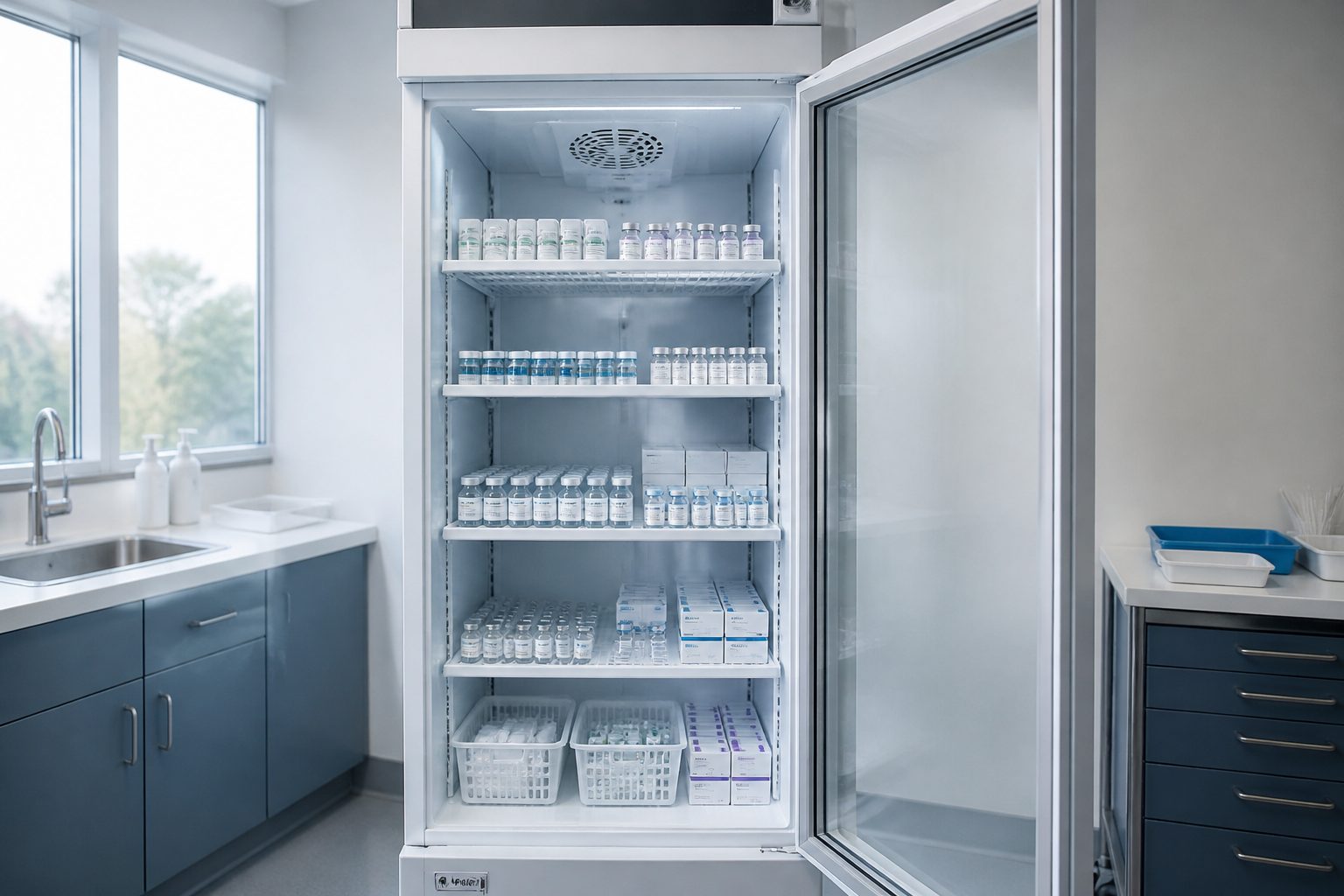
Regardless of where you receive the vaccine, it is essential to ensure that it is administered by a qualified healthcare provider and that proper cold chain storage has been maintained, as this directly affects the vaccine’s effectiveness. Before leaving the facility, ask to see the vaccine vial and confirm that your child’s vaccination card has been updated with the correct date and batch number. These steps help ensure your child receives safe and effective protection against tuberculosis.
Hidden costs and practical tips
While the BCG vaccine itself is free at government centres, there can be indirect costs such as transportation, waiting time, and lost wages if parents need to take time off work. In remote areas, reaching an EPI centre may involve additional travel expenses. Some private clinics may have higher fees for after-hours or home vaccination services.
To avoid hidden costs:
- Check the operating hours of your nearest EPI centre and arrive early to reduce waiting time.
- Ask for a full breakdown of fees if using a private provider (vaccine, administration, consultation, documentation).
- Ensure you receive a signed, updated vaccination card for your child—this is required for school admission and future healthcare.
- If you are in a rural area, ask about government outreach or mobile immunisation services.
How to save safely on BCG vaccination
The safest and most cost-effective way to get your baby vaccinated with BCG in Pakistan is through government EPI centres. These facilities offer the vaccine at no charge, and the staff are trained in handling and administering childhood vaccines. If you prefer a private setting for reasons of convenience or perceived quality, compare several providers and ask for a detailed quote in advance.
Do not compromise on safety by using unlicensed or informal providers, even if the cost is lower. The vaccine must be stored and handled correctly to be effective. Always look for a clean facility and ask about the vaccine’s storage conditions. If you are unsure, seek recommendations from your paediatrician or local health authority.
Best children’s hospitals for vaccination and paediatric care in Pakistan
Several leading children’s hospitals in Pakistan provide comprehensive paediatric services, including immunisation, newborn screening, and specialist care. Public institutions like the Children’s Hospital Lahore, National Institute of Child Health Karachi, and Pakistan Institute of Medical Sciences Islamabad have dedicated vaccination clinics and paediatricians on staff. These hospitals are suitable for complex cases, babies with health concerns, or families seeking a full spectrum of child health services.
Private hospitals with strong paediatric departments, such as Aga Khan University Hospital (Karachi), Shifa International Hospital (Islamabad), and Fatima Memorial Hospital (Lahore), also offer BCG vaccination and comprehensive newborn care. International patients or those seeking English-speaking staff may prefer these institutions for added comfort and communication ease. Costs at private hospitals are higher but may include additional newborn checks or consultations.
What to do if your baby missed the BCG vaccine at birth
If your baby did not receive the BCG vaccine immediately after birth, it is important not to panic, as there are established procedures for catch-up vaccination in Pakistan and many other countries. The BCG vaccine can still be administered up to 12 months of age, and in some cases beyond, depending on local health guidelines and your child’s health status. The Expanded Programme on Immunization (EPI) centres across Pakistan routinely offer BCG vaccination for older infants who missed it at birth.
To ensure your child receives the vaccine, take the following practical steps:
- Visit your nearest EPI centre: These centres are present in most government hospitals, basic health units, and rural health centres. Bring your child’s birth certificate or any available medical records.
- Consult your paediatrician: If you prefer private care, a paediatrician can assess your child’s vaccination status and administer the BCG vaccine if appropriate.
- Check local guidelines: In some cases, especially if your child is older than one year, vaccination may still be considered if there is a high risk of TB exposure. Your healthcare provider can advise based on current recommendations.
It is particularly important to inform the healthcare provider if your baby has any health conditions, such as low birth weight (under 2 kg), ongoing illness, or known immune system problems (for example, HIV or congenital immunodeficiency). In such cases, the BCG vaccine may be delayed until the child is healthy enough, or may not be recommended at all. The provider may order additional tests or refer you to a specialist if there are concerns about your child’s immune status.
Remember, the BCG vaccine is most effective when given early in life, but catch-up vaccination is a standard practice and is still beneficial in reducing the risk of severe TB complications. Always ensure that your child’s vaccination card is updated after the catch-up dose, and keep records for future reference. If you have missed other vaccines as well, discuss a complete catch-up immunisation schedule with your healthcare provider.
Planning your baby’s immunisation schedule in Pakistan
Ensuring your baby receives all recommended vaccines on time is one of the most effective ways to protect against serious childhood illnesses, including tuberculosis. In Pakistan, the BCG vaccine is given soon after birth, typically before the baby leaves the hospital or within the first few weeks of life. This is the start of a comprehensive immunisation schedule provided through the Expanded Programme on Immunization (EPI), which is available free of charge at government health facilities across the country.
After the BCG vaccine, your child will need additional vaccines at specific intervals:
- 6 weeks: First doses of polio (OPV), pentavalent (DTP-HepB-Hib), and pneumococcal vaccines
- 10 weeks: Second doses of polio, pentavalent, and pneumococcal vaccines
- 14 weeks: Third doses of polio, pentavalent, and pneumococcal vaccines
- 9 months: Measles and typhoid vaccine
- 15 months: Second dose of measles vaccine
Your child will receive a vaccination card at the first visit, which records all immunisations and the dates they were given. This card is essential for tracking your child’s vaccines and is often required for school admission or travel. Keep it in a safe place and bring it to every clinic visit. If you lose the card, most EPI centres can issue a duplicate using their official records.
If you move to a new city or change healthcare providers, always present your child’s vaccination card to ensure continuity and avoid missed or duplicate doses. For families using private clinics, confirm that all vaccines are recorded on the card and that the schedule matches national guidelines. If your child misses a scheduled vaccine, visit your nearest EPI centre or paediatrician promptly to arrange catch-up doses.
Staying up to date with the immunisation schedule not only protects your child from dangerous diseases but also contributes to community immunity, helping to control outbreaks and reduce illness nationwide.
Comparing BCG vaccine costs: Pakistan and other countries
When evaluating the cost of the BCG vaccine, it is important to consider both the public and private healthcare sectors, as well as the economic context of each country. In Pakistan, the BCG vaccine is provided entirely free of charge at government-run Expanded Programme on Immunization (EPI) centres. This policy is designed to ensure universal access, particularly in a country where tuberculosis remains a significant public health threat. The government covers all associated costs, including procurement, storage, transportation, and administration, making it accessible even in rural and underserved areas.
In contrast, private healthcare facilities in Pakistan may charge for the BCG vaccine, but these fees are generally modest compared to global standards. Typical private sector charges range from PKR 500 to PKR 2,000 (approximately USD 2–7), depending on the clinic’s location, reputation, and whether a paediatrician’s consultation is included. This makes Pakistan’s private BCG vaccine cost among the lowest worldwide, especially when compared to countries with similar TB burdens.
For comparison, in India, the BCG vaccine is also free in the public sector, but private hospitals may charge INR 300–1,000 (USD 4–12). In Bangladesh, public provision is free, while private sector costs are similar to those in Pakistan. In high-income countries like the UK or Australia, BCG vaccination is not routinely offered to all infants and, when given privately, can cost between USD 50–150. In the United States, the BCG vaccine is rarely used and is not part of the routine immunisation schedule, but if administered privately, it can cost upwards of USD 100–200.
Several factors affect these variations, including government procurement policies, import duties, supply chain expenses, and whether the vaccine is subsidised. In Pakistan and neighbouring countries, international donors such as Gavi, the Vaccine Alliance, may also help offset public sector costs. For families choosing private care, it is advisable to compare prices between clinics and confirm what is included in the fee, such as consultation or documentation.
Overall, Pakistan’s approach ensures cost is not a barrier to BCG vaccination in the public sector, while private sector fees remain accessible relative to many other countries with similar health needs.
Frequently asked questions
Is the BCG vaccine mandatory in Pakistan?
The BCG vaccine is strongly recommended in Pakistan and included in the national immunisation schedule. While not legally mandatory, it is standard practice for all newborns to receive it, and proof of vaccination is often required for school admission.
What if my baby has a fever at the scheduled time?
If your baby has a fever or is unwell at the scheduled time for BCG vaccination, consult a healthcare provider. Vaccination may be postponed until the child is healthy, but do not delay unnecessarily. Mild colds or coughs are not usually a reason to postpone.
Can my baby get the BCG vaccine after one year of age?
BCG vaccination is most effective when given in infancy, but it can be given later if missed. In Pakistan, catch-up vaccination is possible up to five years of age, but always consult your doctor for the latest recommendations.
Are there any side effects of the BCG vaccine?
The BCG vaccine is generally safe. A small sore or scar may develop at the injection site. Rarely, an abscess or swollen lymph node may occur. Severe reactions are very rare. Report any concerning symptoms to your doctor.
Do private hospitals use the same BCG vaccine as government centres?
Most private hospitals and clinics in Pakistan use WHO-prequalified BCG vaccines, similar to government EPI centres. Always ask about the vaccine’s source and expiry date, and ensure it is administered by a qualified professional.
Related guides
Disclaimer: All prices in this article are indicative and vary by case, hospital, and location. Always get a written quote from your chosen provider and consult a qualified doctor for individual medical advice.