
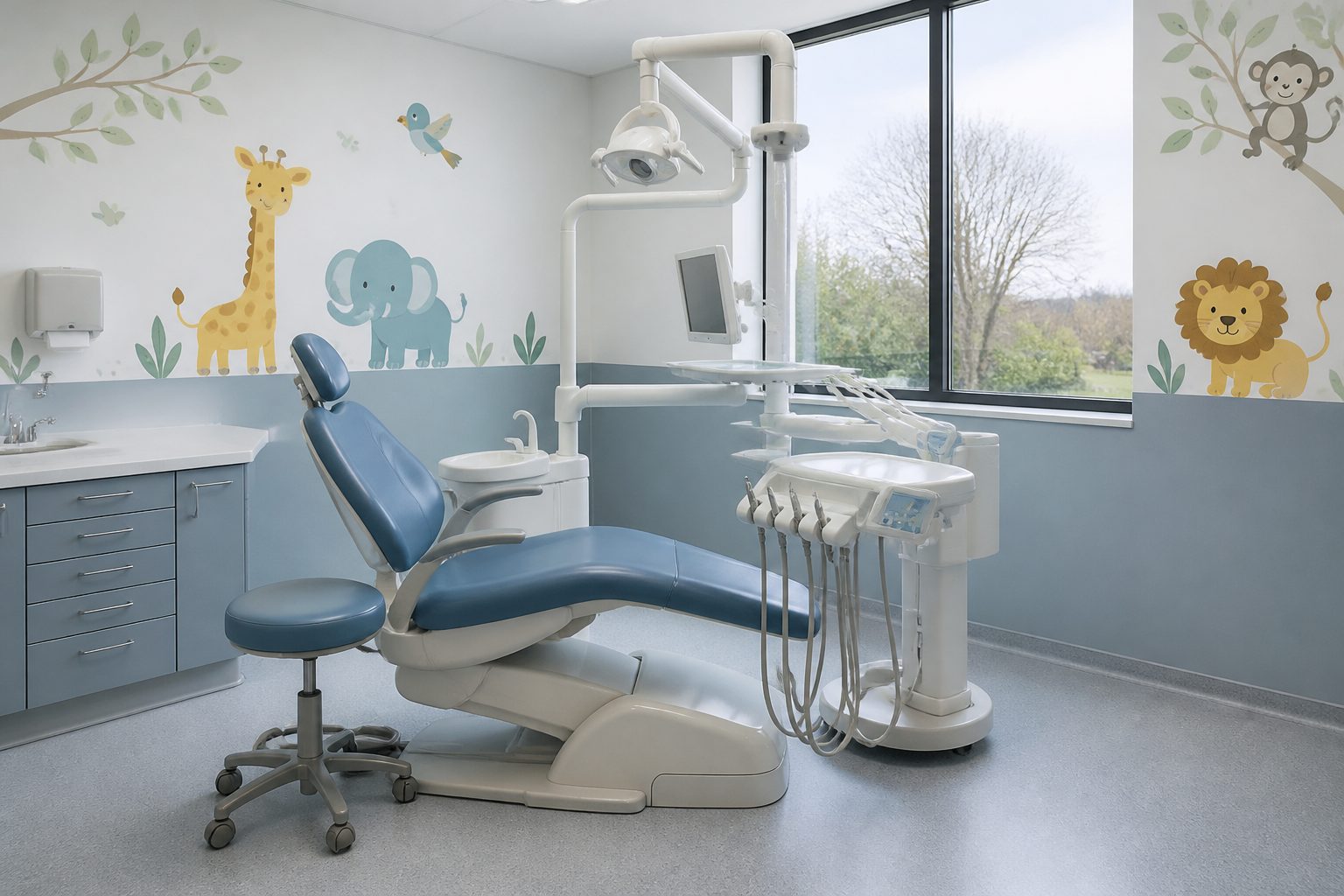
Parents looking for affordable and reliable child dental care in the Philippines will find a wide range of options for tooth fillings. Costs for paediatric dental fillings generally range from $20 to $60 (₱1,100-3,400) per tooth, depending on the clinic, materials used, and the complexity of the case.
This guide explains what affects the cost of child dental fillings in the Philippines, how to choose a clinic, what’s included in the price, and how to plan your child’s dental treatment with confidence.
Typical cost of child dental fillings in the Philippines
Dental fillings are a common treatment for children with cavities or minor tooth damage. In the Philippines, the price of a filling for children varies primarily based on the material (composite, amalgam, or glass ionomer), the clinic’s location, and the dentist’s experience. In major cities like Manila, Cebu, and Davao, costs are generally higher than in provincial areas, but families can expect international-standard care at leading clinics and hospitals.
For a standard composite resin filling—the most common option for visible teeth—parents should budget $25-$60 (₱1,400-3,400) per tooth at a reputable paediatric dental clinic in Metro Manila. In provincial cities, the price may be as low as $15-$30 (₱850-1,700). Amalgam fillings, though less common for children due to aesthetic and health preferences, may cost slightly less. Glass ionomer fillings, often used for very young children or baby teeth, are usually in the same price range as composite.
Below is a table showing typical child dental filling prices in the Philippines compared to other countries in Asia and the West.
| Country | Composite filling (per tooth) | Amalgam filling (per tooth) | Glass ionomer (per tooth) | Notes |
|---|---|---|---|---|
| Philippines | $25-$60 (₱1,400-3,400) | $20-$50 (₱1,100-2,800) | $20-$45 (₱1,100-2,500) | Paediatric dentists widely available in major cities |
| India | $15-$40 (₹1,200-3,300) | $10-$25 (₹800-2,000) | $10-$30 (₹800-2,500) | Lower cost in government hospitals |
| Thailand | $30-$70 (฿1,100-2,500) | $20-$45 (฿700-1,600) | $20-$50 (฿700-1,800) | International clinics in Bangkok and Chiang Mai |
| Indonesia | $20-$50 (Rp 320,000-800,000) | $15-$35 (Rp 240,000-560,000) | $15-$40 (Rp 240,000-640,000) | Costs higher in Jakarta, Bali |
| Malaysia | $25-$55 (RM110-250) | $15-$40 (RM65-175) | $15-$45 (RM65-200) | Good paediatric dental coverage in urban areas |
| United States | $80-$250 | $60-$180 | $70-$200 | Insurance may cover part of the cost |
| United Kingdom | $70-$180 (£55-140) | $50-$120 (£40-95) | $60-$150 (£45-115) | NHS covers children; private clinics charge more |
| Australia | $90-$200 (A$140-310) | $70-$150 (A$110-230) | $75-$180 (A$115-275) | Medicare covers some costs for children |
What is included in the price of a child’s dental filling?
In the Philippines, the quoted price for a child’s dental filling typically reflects a comprehensive set of services designed to ensure both the effectiveness and safety of the procedure. Most dental clinics, especially those in urban centers like Manila, Cebu, and Davao, provide a per-tooth rate that covers essential steps in the treatment process. Here’s what you can expect to be included in the base fee:
- Initial assessment by a paediatric dentist: This involves a thorough examination to diagnose the extent of tooth decay and determine the best treatment plan. Paediatric dentists are specially trained to handle children’s dental needs and manage their anxiety.
- Local anaesthesia (if needed): To minimize discomfort, local anaesthesia is often administered, especially if the cavity is deep. The cost of the anaesthetic is generally included in the standard fee.
- Removal of decayed material: The dentist carefully removes all decayed portions of the tooth using specialized equipment. This step is crucial to prevent further infection and ensure the filling adheres properly.
- Filling material and placement: The most common materials used in the Philippines are composite resin (tooth-colored) or glass ionomer cement, both of which are safe for children. The cost of the material and the labor involved in shaping and placing the filling are included.
- Polishing and bite check: After the filling is set, the dentist polishes the tooth and checks the child’s bite to ensure comfort and proper alignment. This helps prevent future dental issues resulting from an uneven bite.
It’s important to note that additional costs may arise depending on the complexity of the case. For instance, dental X-rays (usually costing $10-$20 or ₱550-1,100) may be recommended to assess the depth of the cavity or check for hidden decay. Some children, particularly those who are very anxious or have special needs, may require sedation or nitrous oxide, which can add $30-$80 (₱1,700-4,500) to the total bill. If the decay is extensive, extra procedures such as pulp therapy may be necessary and would incur further charges.
Many clinics, especially in larger cities, offer bundled packages for families with more than one child or for children needing multiple fillings. These packages may combine fillings with preventive services like dental cleaning at a discounted rate, making it more affordable for parents. Always ask your chosen clinic for a detailed breakdown of what’s included in the quoted price to avoid surprises.
What drives the price of paediatric dental fillings?
The main factors that affect the cost of a child’s dental filling in the Philippines include:
- Material used: Composite resin is usually more expensive than amalgam. Glass ionomer is often used for baby teeth and is moderately priced.
- Clinic location: Dental clinics in Metro Manila, Cebu, and Davao tend to charge more than those in provincial cities or towns.
- Dentist’s experience: Paediatric dentists with advanced training or international credentials may charge higher fees.
- Complexity: Deep or multiple cavities, or fillings on back teeth, may cost more due to added time and materials.
- Clinic facilities: Hospitals and clinics with specialist paediatric dental units and sedation or general anaesthesia facilities may charge a premium.
It is common for clinics to discuss all costs with parents before treatment. Always ask for a written breakdown to avoid unexpected fees.
How to choose a paediatric dental clinic in the Philippines
Selecting the right paediatric dental clinic in the Philippines is crucial for your child’s comfort, safety, and long-term oral health. Start by looking for clinics or hospital-based dental units that specifically cater to children’s needs. Ideally, the clinic should have the following features:
- Registered paediatric dentists: Ensure that the dentist holds credentials such as a Diplomate or Fellowship in Paediatric Dentistry from recognized institutions. These qualifications indicate advanced training in child-specific dental care and behavior management.
- Experience with young children and children with special needs: Ask whether the dental team is accustomed to working with kids of all ages, including those with anxiety or developmental challenges. Clinics with experience in these areas are better equipped to provide a positive experience.
- Good infection control and sterilisation standards: The clinic should follow strict hygiene protocols, including the use of autoclaves for instrument sterilization and regular cleaning of treatment areas. This is especially important in preventing cross-infection among young patients.
- Clear communication about procedures, costs, and aftercare: The staff should be able to explain treatment options, expected outcomes, and all associated costs in a way that’s easy for parents to understand. Written estimates and consent forms are a sign of professionalism.
- Child-friendly facilities: Look for clinics with play areas, colorful decor, and distraction aids such as cartoons, toys, or music. These features help reduce anxiety and make dental visits more enjoyable for children.
In Metro Manila, hospitals like St. Luke’s Medical Center, The Medical City, and Makati Medical Center have dedicated paediatric dental units staffed by specialists. These facilities are equipped to handle more complex cases and often provide a more comforting environment for children. In regional centers like Cebu and Davao, top dental clinics also employ paediatric-trained dentists and may offer similar standards of care. For families living outside major cities, large private dental chains and some government hospitals provide paediatric dental services at a lower cost. However, the environment in these settings may be less tailored to children, and waiting times can be longer.
Before making your choice, visit the clinic if possible to assess the environment and meet the staff. Ask about their approach to managing anxious children, what pain management options are available, and how they handle emergencies. Reading online reviews or seeking recommendations from other parents can also help you find a clinic that prioritizes both quality care and a child-friendly experience. Ultimately, the right clinic will combine professional expertise with a welcoming atmosphere, ensuring your child receives the best possible dental care.
Hidden costs and what is not included
While the base fee for child dental fillings in the Philippines covers the core aspects of the treatment, there are several potential hidden costs that parents should be aware of before committing to a procedure. Understanding these additional expenses can help families budget more accurately and avoid unexpected financial strain.
- Initial or follow-up consultation fees: Some clinics charge separately for the initial consultation or for follow-up visits after the filling is placed. These fees typically range from $10-$20 (₱550-1,100) per visit and may not always be included in the quoted price for the filling itself.
- Dental X-rays: X-rays are sometimes necessary to determine the full extent of decay, especially if the cavity is not visible or if the dentist suspects additional issues. The cost for X-rays can add another $10-$20 (₱550-1,100) to your bill.
- Sedation or nitrous oxide: For children who are extremely anxious, have special needs, or require multiple fillings in one session, sedation or the use of nitrous oxide (laughing gas) may be recommended. This can significantly increase the overall cost, with sedation fees ranging from $30-$80 (₱1,700-4,500) depending on the method and duration.
- Protective sealants: After fillings, some dentists may suggest applying dental sealants to other teeth as a preventive measure against future cavities. Sealants are usually charged separately and can add to the total treatment cost.
- Prescription medication: In cases where the child experiences pain or if there is a risk of infection, the dentist may prescribe pain relievers or antibiotics. The cost of these medications is not included in the base fee and will vary depending on the prescription and pharmacy prices.
For children with multiple cavities, these additional costs can quickly accumulate, especially if several teeth require fillings, X-rays, or sedation. Some clinics try to ease the burden by offering payment plans, sibling discounts, or special rates for multiple treatments performed in a single visit. However, it’s essential to clarify all potential charges before starting treatment. Ask your dentist for a written estimate that details every possible fee, including those for optional services or unforeseen complications.
Finally, while some private health insurance plans in the Philippines may cover a portion of dental costs, coverage for fillings is not always guaranteed. Always check with your provider regarding your policy’s terms, coverage limits, and whether the chosen clinic is within their accredited network. Proper planning and open communication with your dental care provider will help you avoid hidden costs and ensure your child receives the necessary dental care without financial surprises.
How to save on child dental fillings in the Philippines
Managing the cost of child dental fillings in the Philippines is possible with a bit of research and planning. Here are several practical strategies to help you reduce expenses while ensuring your child receives quality dental care:
- Public hospitals and dental schools: Many government hospitals and university dental schools, such as those affiliated with the University of the Philippines or Centro Escolar University, offer dental treatments at significantly lower prices. These services are often provided by dental students or residents under expert supervision. While the environment may not be as child-centric as private clinics, the savings can be substantial, especially for families on a tight budget.
- Package deals: Some private dental clinics provide bundled packages that include cleaning, check-ups, and multiple fillings at a discounted rate. These deals are especially helpful if your child needs several teeth treated at once, or if you have more than one child requiring dental care. Always ask if such packages are available and what services are included.
- Dental insurance: Although dental coverage is not yet standard in all Philippine health insurance plans, some private insurers now offer policies that include basic dental benefits for children. These may cover a portion of the cost for fillings, check-ups, or preventive care. Be sure to review policy details, including waiting periods, annual limits, and which clinics are accredited by your insurer.
- Preventive care: The most effective way to save on dental costs is to prevent cavities in the first place. Schedule regular dental check-ups (every 6 months is ideal), encourage good oral hygiene habits at home, and consider preventive treatments like fluoride varnish or dental sealants. Early detection and treatment of small cavities can help you avoid more extensive (and expensive) procedures later.
While seeking savings, never compromise on the quality or safety of your child’s dental care. Always verify the dentist’s credentials, ask about infection control practices, and ensure the clinic meets basic standards for paediatric care. If you’re unsure where to start, ask for recommendations from your pediatrician or other parents. With careful planning and informed choices, you can keep your child’s teeth healthy without overspending.
What to expect during your child’s dental filling appointment
A typical paediatric dental filling appointment in the Philippines starts with a check-up or consultation. The dentist will assess the tooth, often with a small X-ray, and discuss the recommended material and anaesthesia options with you.
For most children, the filling is done under local anaesthesia. The dentist will remove the decayed part of the tooth, clean the area, and place the filling material. The procedure usually takes 20–40 minutes per tooth. Children who are especially anxious, very young, or have special needs may be offered sedation or ‘happy gas’ (nitrous oxide).
After the filling, your child should avoid eating until the numbness wears off. The dentist will provide aftercare instructions and may schedule a follow-up visit to check the filling. Most children recover quickly and can return to normal activities the same day.
Frequently asked questions
How long do dental fillings last in children?
In the Philippines, composite and glass ionomer fillings in children typically last 3–7 years, depending on oral hygiene and diet. Fillings in baby teeth may not need to last as long as those in permanent teeth, since baby teeth will eventually fall out. Regular dental check-ups help monitor filling condition.
Are amalgam fillings still used for children in the Philippines?
Most paediatric dentists in the Philippines now prefer composite or glass ionomer fillings for children, due to better aesthetics and safety concerns about mercury in amalgam. Amalgam may still be used in some government clinics or for back teeth if cost is a concern, but it is less common than before.
Is sedation safe for children during dental fillings?
Sedation (oral, inhaled, or IV) is available in well-equipped clinics and hospital dental units, and is generally safe when administered by trained professionals. It is typically reserved for very anxious children, those with special needs, or when multiple fillings are required. Discuss risks and options with your dentist.
Can I use PhilHealth or insurance for my child’s dental filling?
PhilHealth generally does not cover routine dental fillings for children. Some private health insurance plans in the Philippines may include dental cover, but limits and exclusions apply. Always check your policy and ask the clinic about accepted insurance or payment options.
How soon after a filling can my child eat?
Children should wait until the local anaesthesia fully wears off—usually 1–2 hours—before eating to avoid biting their tongue or cheek. After that, soft foods are recommended for the first few hours. Your dentist will provide specific advice based on the filling material used.
The bottom line
Overall, child dental fillings in the Philippines are considerably more affordable than in many Western countries, making quality dental care accessible to a broader range of families. At reputable clinics, you can expect to pay between $20 and $60 (₱1,100-3,400) per tooth, depending on the location, the dentist’s expertise, and the type of filling material used. Clinics in major urban centers like Metro Manila or Cebu may charge at the higher end of this range, especially if they employ paediatric dental specialists or offer state-of-the-art facilities. In contrast, clinics in provincial areas or government hospitals may offer lower prices, albeit sometimes with fewer amenities or less specialized care.
When considering treatment for your child, it’s wise to choose a paediatric dental specialist. These professionals have additional training in managing children’s dental issues and behavior, which can make the experience less stressful for both child and parent. Always request a full breakdown of costs before proceeding, as extra charges for sedation, X-rays, or additional procedures can impact your final bill. If your child requires multiple fillings or has special needs, ask about bundled packages or payment arrangements that can make the process more manageable.
Prevention remains the most cost-effective approach. Regular dental check-ups, good oral hygiene habits, and prompt treatment of early cavities can help you avoid more expensive and complex dental work in the future. By investing in preventive care and being proactive about your child’s dental health, you can keep costs down and ensure your children enjoy strong, healthy smiles for years to come.
Related guides
Disclaimer: Prices and information in this guide are indicative and may vary by hospital, clinic, dentist, and individual case. Always request a written quote and consult a qualified paediatric dentist before starting any treatment. Dental care costs can change over time, and the best way to get accurate information is to speak directly with your chosen provider.