
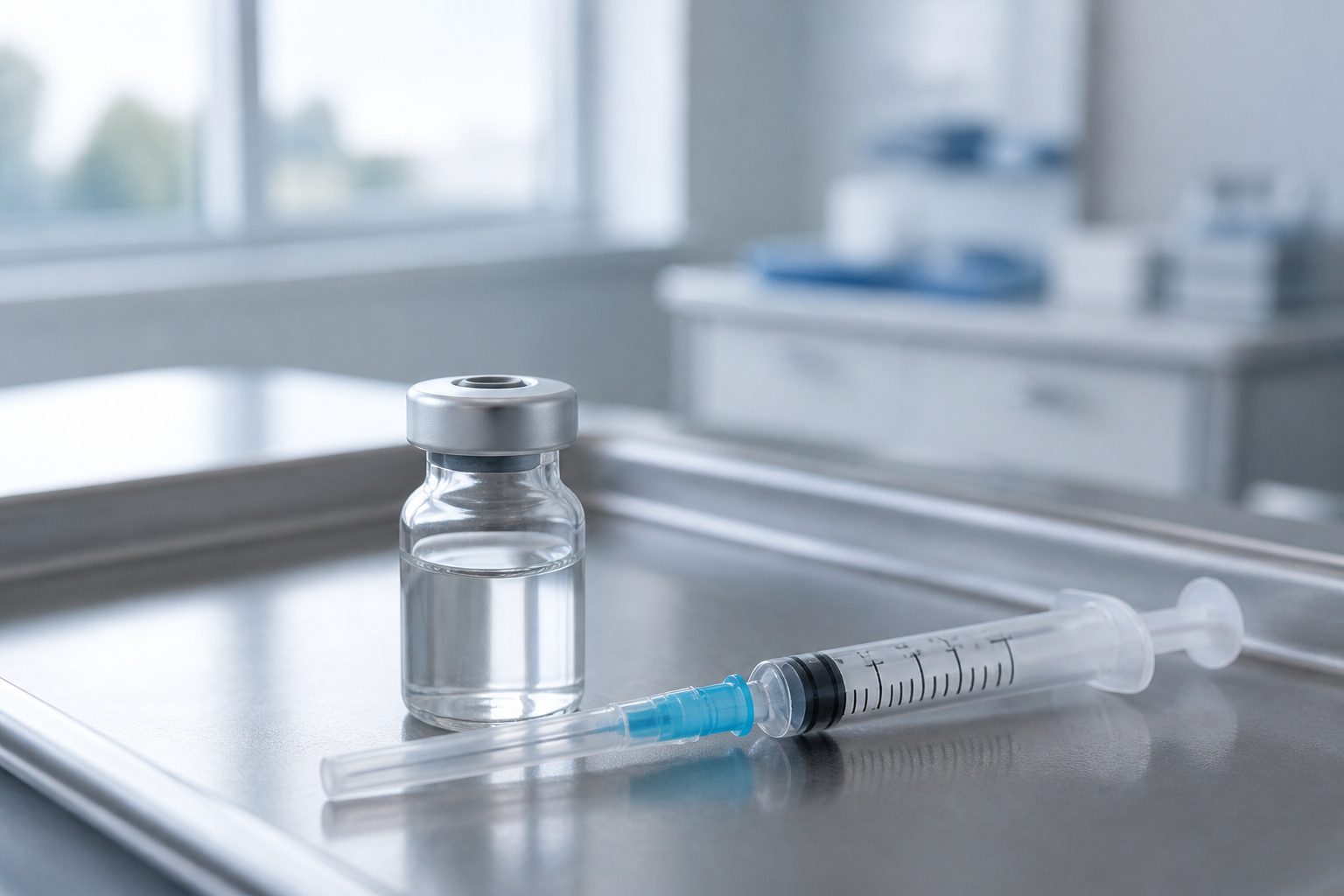
The MMR vaccine is essential for protecting children from measles, mumps, and rubella—three serious viral illnesses. If you are a parent planning your child’s immunisation, knowing the cost and what’s included helps you make informed choices.
In India, the MMR vaccine typically costs $2–$8 (₹160–₹670) per dose at private clinics, while in the USA, prices can reach $75–$150 per dose. In the UK, the vaccine is free for children through the NHS. Below, we compare prices, what’s included, and what to expect at each destination.
What is the MMR vaccine and why is it important?
The MMR vaccine is a combined immunisation shot designed to protect against three highly contagious viral diseases: measles, mumps, and rubella (German measles). Each of these illnesses can lead to severe health complications. Measles, for example, can cause pneumonia, encephalitis (brain swelling), and even death, especially in young children. Mumps can result in painful swelling of the salivary glands, meningitis, and, in rare cases, permanent hearing loss or infertility. Rubella is particularly dangerous for pregnant women, as infection during pregnancy can lead to miscarriage, stillbirth, or serious birth defects such as heart problems and developmental delays in the baby.
The World Health Organization (WHO) and most national health authorities recommend two doses of the MMR vaccine for optimal protection. The first dose is typically administered to infants between 9 and 15 months of age, and the second dose follows several months later, depending on the country’s immunisation schedule. This two-dose regimen ensures that over 95% of children develop lifelong immunity to all three diseases.
High coverage rates are critical, not just for individual protection but also for community-wide benefits. When enough people are immunised, herd immunity helps prevent outbreaks, protecting those who cannot be vaccinated, such as infants under the minimum age or people with certain medical conditions. In countries where MMR vaccination rates are high, cases of measles, mumps, and rubella have dropped dramatically, and outbreaks are rare. Conversely, when vaccination rates fall, outbreaks can occur, leading to preventable illness, hospitalisations, and even deaths. This is why the MMR vaccine is included in routine childhood immunisation schedules in most countries, and why maintaining high coverage is a public health priority.
MMR vaccine schedules in India, USA, and UK
The timing and spacing of MMR vaccine doses differ slightly depending on the country, reflecting local epidemiology, healthcare infrastructure, and public health guidelines. In India, the government’s Universal Immunisation Programme recommends the first dose of the MMR vaccine at 9 months of age. The second dose is administered between 15 and 18 months. Some private providers may use slightly different schedules, but the two-dose approach remains standard. This early start helps protect infants in regions where measles and rubella are more common in younger children.
In the USA, the Centers for Disease Control and Prevention (CDC) advises parents to get the first dose of MMR for their child between 12 and 15 months. The second dose is typically given at 4 to 6 years of age, usually before a child enters kindergarten or primary school. This schedule is designed to provide early protection while ensuring a booster before children enter school environments where transmission risks increase.
The UK follows a similar but slightly different approach. The National Health Service (NHS) offers the first dose at 12 months, with the second dose given at around 3 years and 4 months, just before children start school. This timing is chosen to provide immunity before potential exposure in group settings.
For children who miss a scheduled dose, catch-up vaccination is strongly recommended. Each country has specific guidelines for catch-up schedules, and older children, adolescents, and even adults who are unvaccinated or unsure of their vaccine status can usually receive the MMR vaccine, provided they do not have contraindications such as severe immune deficiencies or pregnancy. Parents should consult their healthcare provider to ensure their children are fully protected according to the current national immunisation schedule.
MMR vaccine price comparison: India, USA, UK
The cost of the MMR vaccine depends on whether you use public or private healthcare, your insurance coverage, and where you live. The following table summarises typical prices per dose in each country, and what is generally included.
| Country | Typical price per dose | Included in price | Extra/hidden costs |
|---|---|---|---|
| India | $2–$8 (₹160–₹670) | Vaccine, administration, basic consultation | Extra consultation fees at some private clinics ($5–$15), travel costs, rare supply mark-ups |
| USA | $75–$150 | Vaccine, administration | Doctor’s visit ($50–$200 if uninsured), facility fees, possible lab tests |
| UK | Free (NHS) | Vaccine, administration, routine check-up | Private clinics: £50–£120 ($60–$145) per dose |
What is included in the MMR vaccine price?
In India, the listed price at private hospitals and clinics typically covers the vaccine itself, its administration, and sometimes a brief doctor’s consultation. Public hospitals and government immunisation programmes often provide the vaccine free or at a nominal cost, but some families choose private care for convenience or perceived quality. Additional consultation or registration fees may apply at some facilities.
In the USA, the price quoted by clinics or pharmacies usually includes the vaccine and administration but not the doctor’s visit, which can be substantial if you do not have insurance. The federal Vaccines for Children (VFC) program provides free vaccines for eligible children, but administrative fees may be charged. If you have insurance, the vaccine is generally covered as part of well-child visits, but check with your provider for details.
In the UK, all routine childhood vaccines, including MMR, are free at the point of delivery on the NHS. Private clinics may charge for the vaccine and administration, with prices varying by region and provider.
Hidden costs and what to watch out for
Several hidden or additional costs can affect what you pay for the MMR vaccine. In India, private clinics may charge extra for a paediatric consultation, registration, or follow-up. In rare cases, supply shortages may lead to higher prices in some cities. Always confirm what is included before your visit.
In the USA, uninsured families must pay both for the vaccine and for the office visit. If your child receives other services (such as a check-up or lab test) during the same appointment, these are billed separately. If you are eligible for the VFC program, ask about any administration or facility fees in advance.
In the UK, the only significant cost is if you choose a private clinic for convenience or if your child is not eligible for NHS care (such as in some expat situations). Ask for a full quote before booking.
How to save on MMR vaccination costs
There are several practical strategies families can use to minimise the out-of-pocket cost of MMR vaccination, and these vary by country. Understanding your options can help ensure your child is protected without unnecessary financial burden:
- India: Take advantage of the extensive public health infrastructure. Government-run hospitals, primary health centres, and urban health posts offer the MMR vaccine free of charge as part of the Universal Immunisation Programme. Many NGOs and charitable hospitals also organise periodic immunisation camps that provide vaccines at subsidised rates. If you must use a private clinic, ask for a breakdown of charges and inquire about any available discounts or package deals.
- USA: If you lack private health insurance or have a high-deductible plan, check your child’s eligibility for the federal Vaccines for Children (VFC) program. This program covers the cost of recommended vaccines, including MMR, for children who are uninsured, underinsured, Medicaid-eligible, or Native American/Alaska Native. Many local health departments, community clinics, and Federally Qualified Health Centers participate in VFC, offering vaccines at no charge or a nominal administrative fee. Also, some states and cities run their own free or low-cost immunisation clinics, so ask your local health department about options. If you have insurance, confirm whether the vaccine is covered in full and whether you are responsible for any copays or deductibles.
- UK: The NHS provides all routine childhood vaccinations, including MMR, completely free for residents. There is no need to seek private care unless you have specific needs or are not eligible for NHS services. If you are a new immigrant or have recently moved, register with a GP as soon as possible to access NHS immunisation services.
Regardless of where you live, always use licensed clinics and qualified healthcare professionals to ensure the vaccine’s safety and effectiveness. Do not purchase vaccines online or from unregulated sources, as these may be counterfeit or improperly stored. If cost is a concern, talk to your paediatrician or local health authority about all available support programs, subsidies, or free immunisation days. Planning ahead and knowing your options can help you keep your child’s vaccinations on schedule without unexpected expenses.
What affects the price of the MMR vaccine?
The cost of the MMR vaccine can vary significantly depending on a range of factors, and understanding these can help families plan for expenses or seek out the most affordable options. Here are the main cost drivers to consider:
- Public vs. private sector: In many countries, including India and the UK, government-run health facilities and public immunisation programs subsidise or fully cover the cost of the MMR vaccine. In contrast, private hospitals and clinics set their own prices, which can be much higher. For example, in India, the vaccine may be free at public clinics but cost several hundred rupees at private hospitals. In the USA, private providers may charge over $100 per dose, while public programs like VFC can reduce or eliminate the cost for eligible children.
- Location: Urban clinics, especially in large cities, often charge more than rural or semi-urban centers due to higher overhead costs and demand. In India, metropolitan areas like Mumbai or Delhi may see higher prices in private clinics compared to smaller towns. In the USA, prices can vary by state and even by city, with some regions having higher healthcare costs overall.
- Brand: The price can also depend on whether the vaccine is a locally manufactured generic or an imported brand-name product. International brands tend to be more expensive, but all vaccines approved by national regulatory authorities are considered safe and effective. Some parents may choose a particular brand based on availability or perceived quality, but this can affect the final cost.
- Consultation fees: Some clinics include the doctor’s consultation and vaccine administration in a single package, while others charge separately for each service. This is especially common in private clinics. Always ask for a detailed breakdown to avoid surprise fees.
- Insurance status: In the USA, whether you have private insurance, Medicaid, or no insurance at all can make a huge difference. Most insurance plans cover the MMR vaccine for children, but there may still be copays, deductibles, or out-of-network charges. For adults, coverage can be more variable.
Other factors can also influence price, such as temporary shortages, import tariffs on vaccines, and distribution or storage costs (especially in remote areas). Prices may also fluctuate due to changes in government policy or supply and demand. To avoid unexpected costs, always confirm the total price before your visit, ask for a written quote if possible, and check whether all necessary services (such as both doses and follow-up visits) are included. If cost is a barrier, explore public programs, insurance options, or community health resources that can help reduce expenses.
How to choose a clinic or hospital for MMR vaccinations
When selecting where to get your child vaccinated:
- Check accreditation: In India, look for NABH-accredited hospitals or clinics. In the USA, ensure the provider is CDC-registered. In the UK, use NHS clinics for guaranteed standards.
- Experience with children: Choose facilities with qualified paediatricians and a child-friendly environment. This can make the experience less stressful for your child.
- Availability: Some clinics may have waiting lists, especially during outbreaks or in rural areas. Book in advance if possible.
- Transparency: Ask for the full cost breakdown before your appointment, including any consultation or facility fees.
For international patients or expat families, large private hospitals in India and the USA often have dedicated international patient desks to help with scheduling and paperwork. In the UK, NHS services are generally reserved for residents, but some private clinics cater to overseas visitors.
Planning tips for parents
Here are practical steps for arranging your child’s MMR vaccination:
- Check your local immunisation schedule and confirm when your child is due for each dose.
- Gather your child’s vaccination record. This helps avoid unnecessary repeat doses and ensures accurate scheduling.
- Contact your preferred clinic or hospital to confirm availability, cost, and what is included. Ask if an appointment is needed or if walk-ins are accepted.
- Bring any previous vaccination records and your child’s identification to the appointment.
- Monitor your child for common mild side effects (fever, mild rash) after the shot. Serious reactions are rare, but contact your doctor if you have concerns.
For families travelling between countries, keep copies of your child’s vaccination records in English, as some schools and immigration authorities may ask for proof of immunisation.
Bottom line: What parents should know about MMR vaccine costs
The MMR vaccine is a crucial part of protecting children against three potentially severe diseases: measles, mumps, and rubella. While the vaccine itself is highly effective and safe, the cost of obtaining it can vary dramatically depending on where you live and how you access healthcare. In India, most parents can access the MMR vaccine at a very low cost or even free of charge at government-run health centers and public hospitals, thanks to national immunisation programs. However, private hospitals and clinics may charge higher fees, and the price can sometimes include additional consultation or service charges.
In the USA, the price of the MMR vaccine is much higher if you do not have insurance. For uninsured families, each dose can cost anywhere from $75 to $150 or more at private clinics, and this may not include the cost of a doctor’s visit or administrative fees. However, programs like Vaccines for Children (VFC) ensure that eligible children (including those who are uninsured, underinsured, or on Medicaid) receive the vaccine for free or at a reduced cost. It’s important for parents to check eligibility and locate participating clinics.
In the UK, the National Health Service (NHS) covers the full cost of the MMR vaccine for all resident children, as part of the routine childhood immunisation schedule. This means that parents do not pay anything out of pocket when using NHS services. Private clinics are available but are rarely necessary for routine immunisation.
Regardless of location, parents should always ask what is included in the quoted price. Sometimes, the cost may only cover the vaccine itself, while other times it may include a doctor’s consultation, administration fees, or even follow-up visits. Confirm whether both doses are included or if each dose is charged separately. To ensure lifelong protection, make sure your child receives both recommended doses according to the local schedule. If you have concerns about cost, speak with your healthcare provider or local health authority to explore all available options and support programs.
Frequently asked questions
Is the MMR vaccine safe for my child?
Yes, the MMR vaccine has an excellent safety record, with millions of doses given worldwide. Serious side effects are extremely rare. Mild fever or rash may occur after vaccination.
Can I get the MMR vaccine for free in India or the USA?
In India, the vaccine is free at government hospitals and immunisation centres. In the USA, the Vaccines for Children (VFC) program covers eligible children at no cost, but administrative fees may apply.
Do I need a prescription for the MMR vaccine?
In most countries, a doctor’s prescription or consultation is required, especially for children. Some pharmacies in the USA may offer vaccines without a prescription for adults, but not for young children.
Are there any reasons my child should not get the MMR vaccine?
Children with severe allergies to vaccine components, weakened immune systems, or certain medical conditions should consult their doctor before vaccination. Your paediatrician will advise on any contraindications.
How do I know my child’s vaccine is genuine?
Always use licensed clinics and hospitals. In India and the USA, check the packaging and ask for the batch number if concerned. NHS clinics in the UK use only approved, regulated vaccines.
Related guides
Disclaimer: Prices are indicative and vary by hospital, clinic, and individual case. Always consult a qualified doctor and request a written quote for your child’s vaccination.