
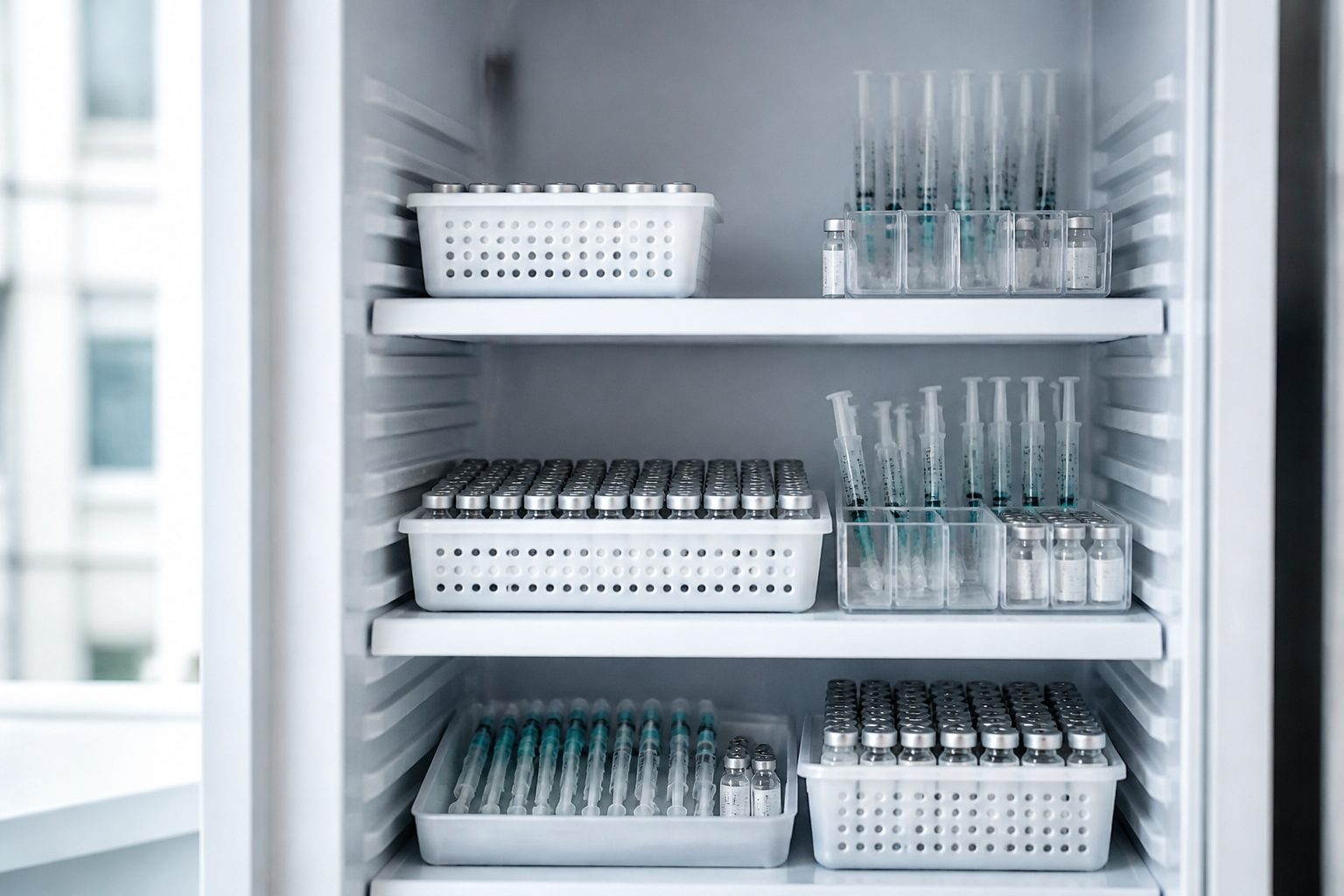
Pneumococcal vaccination protects children from serious infections like pneumonia, meningitis, and sepsis. In the Philippines, parents can get the pneumococcal conjugate vaccine (PCV) for their children at both public health centers and private clinics. Expect to pay between $55 and $110 (₱3,200–6,300) per dose at private facilities, with most children needing three to four doses for full protection.
This guide explains pneumococcal vaccine costs for children in the Philippines, what’s included in the price, where to get vaccinated, and how to save without compromising safety. We also compare prices with other countries, outline the typical vaccination schedule, and answer common questions for families planning their child’s care.
What is the pneumococcal vaccine and why is it important?
The pneumococcal conjugate vaccine (PCV) is a vital immunization that protects infants and young children from invasive diseases caused by the bacterium Streptococcus pneumoniae. This bacterium is responsible for a range of serious and potentially life-threatening illnesses, including pneumonia (lung infection), meningitis (infection of the membranes covering the brain and spinal cord), and sepsis (bloodstream infection). These conditions can lead to hospitalization, long-term disability, or even death, particularly in children under five years old and those with weakened immune systems or chronic health problems.
In the Philippines, the burden of pneumococcal disease is significant, especially among infants and toddlers. Pneumonia remains one of the leading causes of childhood mortality in the country, and outbreaks can strain local healthcare resources. The introduction of PCV into the national immunization program has greatly reduced the incidence of severe pneumococcal infections, hospital admissions, and related complications. The vaccine is formulated to protect against the most common and dangerous strains of pneumococcus circulating in the Philippines and the region.
Both the World Health Organization (WHO) and the Philippine Department of Health (DOH) strongly recommend routine PCV for all children, starting as early as six weeks of age. Early vaccination is crucial because young children are especially vulnerable to these infections before their immune systems are fully developed. By immunizing children on schedule, families not only protect their own child but also contribute to community immunity, reducing the risk of outbreaks and protecting those who cannot be vaccinated due to medical reasons.
PCV is particularly important for children with underlying conditions such as asthma, congenital heart disease, or immunodeficiency, as they are at higher risk for complications. Parents should consult their paediatrician to ensure their child receives the appropriate type and schedule of PCV, as the two main brands (PCV10 and PCV13) offer slightly different coverage. Keeping up with recommended vaccinations helps prevent avoidable illness, reduces healthcare costs for families and the country, and supports the overall health and wellbeing of Filipino children.
Typical pneumococcal vaccine schedule for children
In the Philippines, the pneumococcal conjugate vaccine (PCV) is part of the standard immunization schedule for infants and young children. The recommended schedule is carefully designed to provide early and effective protection against serious diseases caused by Streptococcus pneumoniae. The typical PCV schedule for healthy infants is as follows:
- First dose at 6 weeks old – This initial dose helps prime your baby’s immune system at a time when they are most vulnerable to infections.
- Second dose at 10 weeks – A follow-up dose to strengthen the immune response and increase protection.
- Third dose at 14 weeks – Provides additional immunity, ensuring the vaccine’s effectiveness as the child grows.
- Booster dose at 12–15 months – This booster (timing may vary by clinic and vaccine brand) helps maintain long-term protection as the child enters toddlerhood.
This schedule is recommended for healthy infants who start their immunizations on time. If a child misses one or more doses, a catch-up schedule may be used. The number of catch-up doses required depends on the child’s age when they begin the series. For example, children who start after their first birthday may need fewer doses, as their immune systems respond differently.
Two main vaccine brands are available in the Philippines: PCV10 (Synflorix) and PCV13 (Prevnar 13). Both protect against multiple strains of pneumococcus, but PCV13 covers three additional strains compared to PCV10. The choice between these vaccines may depend on availability, cost, and your child’s specific health needs. Your paediatrician will assess your child’s medical history and risk factors, such as chronic illnesses or immune disorders, before recommending a specific vaccine and schedule. In some cases, local government units or public health programs may only stock one brand, so availability can also influence your options.
It’s important for parents to keep a record of each vaccine dose, as clinics will need to verify previous vaccinations to determine the correct schedule. If you are transferring clinics or moving between regions, bring your child’s updated vaccination card to ensure continuity of care. Following the recommended schedule is crucial for full protection, so set reminders for each dose and consult your healthcare provider if you have any concerns about timing or missed appointments.
Pneumococcal vaccine cost in the Philippines: What to expect
The cost of pneumococcal vaccination for children in the Philippines varies by provider, brand, and location. Public health centers under the government’s Expanded Program on Immunization (EPI) offer PCV10 free of charge to eligible infants and children. However, public supply is sometimes limited, and not all local health units have stock, especially in urban areas with high demand.
At private clinics and hospitals, the cost per dose ranges from $55 to $110 (₱3,200–6,300), depending on the brand and facility. This price usually covers the vaccine itself, but additional fees for doctor consultation, administration, and record-keeping may apply. Some clinics offer vaccination packages that include several doses and follow-up reminders, which may be more cost-effective in the long run.
What is included—and not included—in the price
Understanding what is covered by the quoted price of a pneumococcal vaccine is essential for budgeting and avoiding unexpected expenses. In the Philippines, the cost structure can vary widely between public health centers and private clinics, as well as between cities and rural areas. Here’s what you can typically expect:
- Included in the price:
- The vaccine vial itself (either PCV10 or PCV13), sourced from reputable manufacturers and maintained in proper cold storage to ensure potency and safety.
- Syringe and basic medical supplies needed for the injection, such as alcohol swabs and bandages.
- Cold chain storage and handling, which covers the cost of refrigeration and transport to keep the vaccine effective from manufacturer to clinic.
- Not usually included (may incur extra charges):
- Doctor’s consultation fee, which can range from $9–$18 (₱500–₱1,000) per visit in private settings. This fee covers the paediatrician’s assessment of your child’s health and readiness for vaccination.
- Administration or injection fee. Some clinics separate this from the vaccine cost, adding a charge for the nurse’s or doctor’s time and expertise in giving the shot.
- Vaccination card or booklet, which is sometimes complimentary but may have a nominal fee if you need a replacement or new booklet.
- Follow-up visits or reminders for booster doses. Some clinics offer reminder services or additional check-ups, which may be billed separately.
It’s also important to note that in public health centers, the vaccine itself may be free for eligible infants, but you might still encounter minimal fees for supplies or record-keeping. In private clinics and hospitals, packages may be available that bundle several services (such as a well-baby check-up, vaccine, and documentation) at a discounted rate, so it’s worth asking about these options.
Before committing to an appointment, always request a detailed breakdown of all potential charges. Ask if the price includes the vaccine, administration, consultation, and documentation. This will help you avoid surprises on the day of vaccination and allow for better financial planning. If you’re using health insurance, check which costs are reimbursable or covered under your policy, as some private plans may include routine immunizations for children.
Cost comparison: Philippines and other countries
Pneumococcal vaccine pricing varies widely across countries, depending on government subsidies, local purchasing power, and healthcare delivery systems. The following table compares typical private-sector prices per dose for children in major countries (latest data as of 2024):
| Country | Cost per dose (USD) | Local currency | Public program available? |
|---|---|---|---|
| Philippines | $55–$110 | ₱3,200–6,300 | Yes (limited stock) |
| India | $35–$70 | ₹2,900–5,800 | Yes (PCV10 in select states) |
| Indonesia | $50–$100 | Rp 780,000–1,560,000 | Yes (limited areas) |
| Bangladesh | $40–$75 | ৳4,400–8,200 | Yes (mostly public sector) |
| Pakistan | $35–$60 | ₨10,000–17,000 | Yes (EPI, urban focus) |
| United States | $185–$260 | USD | Yes (insurance covers) |
| United Kingdom | $0 (NHS) | £0 | Yes (NHS free) |
| Australia | $0 (Medicare) | AUD 0 | Yes (government covers) |
| Singapore | $110–$180 | S$150–S$245 | Yes (subsidised) |
| UAE | $80–$150 | AED 295–550 | Yes (insurance/private) |
As seen above, the Philippines’ private-sector price is similar to other Southeast Asian countries, but much lower than in the US or Singapore. Free or subsidised vaccination is available in many countries, but access can depend on local policies, insurance, or stock availability.
Hidden costs and ways to save
Some costs may not be obvious at first. In addition to the vaccine and doctor’s fee, you may need to budget for transportation, time off work, or extra childcare if multiple visits are required. If your child receives other vaccines during the same visit, there might be a bundled consultation fee, which can be more economical than separate appointments.
To save safely:
- Check if your barangay health center or local government is running free or subsidised vaccination drives.
- Ask your paediatrician if the clinic offers a package rate for all scheduled doses.
- Inquire about group vaccination days, where costs are sometimes lower due to bulk supply.
- Bring your child’s vaccination card to every visit to avoid duplicate doses.
- Avoid buying vaccines from unofficial sources; always have the vaccine administered by a licensed healthcare provider.
Never compromise on cold chain integrity or professional administration to save money. Vaccines must be stored and handled correctly to be effective and safe.
Where to get pneumococcal vaccines for children in the Philippines
Accessing the pneumococcal vaccine for your child in the Philippines is possible through several channels, each with its own advantages, costs, and requirements. Knowing your options can help you choose the most convenient and affordable provider for your family’s needs.
- Public health centers: These government-run facilities, including barangay health stations and rural health units, offer free PCV10 to eligible infants as part of the Expanded Program on Immunization (EPI). You’ll need to bring your child’s birth certificate and vaccination card for registration and record-keeping. While the vaccine itself is free, expect longer waiting times, occasional stock shortages, and less flexible scheduling compared to private clinics. Some health centers may have scheduled immunization days, so it’s wise to call ahead for the timetable and requirements.
- Private paediatric clinics and hospitals: These facilities offer greater flexibility in appointment scheduling and usually maintain good stocks of both PCV10 and PCV13. In private settings, you often receive additional services, such as a thorough health check-up, vaccine counseling, and personalized reminders for booster doses. The cost is higher, typically ranging from ₱2,500–₱4,500 per dose, depending on the brand and location. Many private hospitals in urban centers like Metro Manila, Cebu, and Davao have dedicated vaccination units with experienced staff and shorter waiting times.
- Travel health clinics and some pharmacies: Select travel clinics and licensed pharmacies, especially in major cities, may offer childhood vaccines, including PCV. However, always verify that the facility is accredited by the Department of Health (DOH) and that they follow proper storage, handling, and documentation protocols. Not all pharmacies are authorized to administer vaccines to children, so confirm age restrictions and available brands before visiting.
For families in rural or remote areas, vaccine availability may be more limited. It’s recommended to call your local health center or municipality ahead of time to check stock levels and immunization schedules. If you plan to travel to a larger city for vaccination, coordinate with the chosen clinic to ensure the vaccine is reserved for your child and to minimize travel-related inconvenience.
Regardless of where you choose to vaccinate your child, always ensure that the provider issues an updated vaccination record and reports the immunization to the DOH, as this is crucial for future school enrollment and health documentation. If you have private health insurance, check if it covers vaccination costs at select clinics or hospitals to help offset expenses.
How to choose a provider for your child’s vaccination
When selecting where to get your child vaccinated, consider:
- Vaccine type: Some clinics only stock PCV10, while others offer both PCV10 and PCV13. PCV13 covers more strains but is often more expensive.
- Accreditation and licensure: Choose clinics accredited by the Department of Health or reputable private hospitals. This ensures proper storage, handling, and record-keeping.
- Paediatric expertise: Paediatricians can answer questions about side effects, scheduling, and catch-up plans for missed doses.
- Convenience: Proximity, appointment system, and availability of other vaccines for same-day administration may affect your decision.
- Cost transparency: Ask for a written breakdown of all fees before the visit.
Some hospitals and clinics have international patient desks and English-speaking staff, which can be helpful for expatriate families or medical travellers.
How to prepare your child for the vaccine visit
Preparing your child for a pneumococcal vaccine visit can help minimize stress and ensure a smooth experience for both you and your child. Most children in the Philippines tolerate the PCV well, but a little preparation goes a long way in making the process easier and more comfortable.
- Bring all necessary documents: Always take your child’s vaccination record, health booklet, and any previous medical notes. These are essential for the healthcare provider to verify which vaccines have already been given and to update records accurately. If your child has a history of allergies or previous reactions to vaccines, bring relevant medical certificates or notes.
- Dress appropriately: Choose clothing that allows easy access to your child’s thigh (for infants) or upper arm (for older children), such as shorts or sleeveless shirts. This makes the injection process quicker and less stressful.
- Feed your child before the visit: A well-fed child is generally calmer and less fussy. For infants, breastfeeding or bottle-feeding before the appointment can provide comfort. For older children, a light snack can help prevent irritability.
- Bring comfort items: Familiar toys, pacifiers, or blankets can soothe your child during and after the injection. Distraction techniques, such as playing with a favorite toy or singing a song, can also help reduce anxiety.
- Discuss side effects: Talk to your doctor about common side effects, such as mild fever, swelling at the injection site, or fussiness. Ask when to seek medical attention for more serious reactions, such as persistent high fever, severe swelling, or difficulty breathing.
- Plan for observation: After the vaccine is administered, you’ll usually be asked to stay at the clinic for 15–30 minutes. This allows staff to monitor your child for immediate reactions, such as allergic responses, and provide prompt care if needed.
If your child is sick—showing signs of fever, infection, or other acute illnesses—it’s best to reschedule the appointment. Inform the healthcare provider ahead of time about any allergies, chronic conditions, or previous adverse reactions to vaccines, as this may influence the choice of vaccine or the timing of administration.
Finally, prepare yourself by reading up on the vaccine and having questions ready for your healthcare provider. Understanding the process and knowing what to expect can help you support your child and ensure a positive vaccination experience.
Frequently asked questions
1. Is the pneumococcal vaccine mandatory for children in the Philippines?
No, it is not mandatory by law, but it is strongly recommended by the Department of Health and the Philippine Pediatric Society as part of the routine immunisation schedule for infants and young children.
2. Can my child get the vaccine for free?
Yes, eligible infants can receive PCV10 free of charge at government health centers if stocks are available. Private clinics charge for both the vaccine and associated services. Call ahead to check availability in your area.
3. What is the difference between PCV10 and PCV13?
PCV10 protects against 10 strains of pneumococcus, while PCV13 covers 13 strains, offering broader protection. PCV13 is often slightly more expensive. Both are effective and safe; your doctor can recommend the best option for your child.
4. Are there side effects to the pneumococcal vaccine?
Common side effects include mild fever, swelling or pain at the injection site, and fussiness. Serious allergic reactions are rare. Your paediatrician will explain what to watch for and how to manage minor symptoms at home.
5. Can my child be vaccinated if they missed a scheduled dose?
Yes. If your child missed a dose, consult your paediatrician for a catch-up schedule. The number of additional doses needed depends on your child’s age and previous vaccination history.
Related guides
Disclaimer: Prices and information in this guide are indicative and may vary by hospital, clinic, and individual circumstances. Always consult a qualified doctor and request a written quote before making healthcare decisions for your child.