
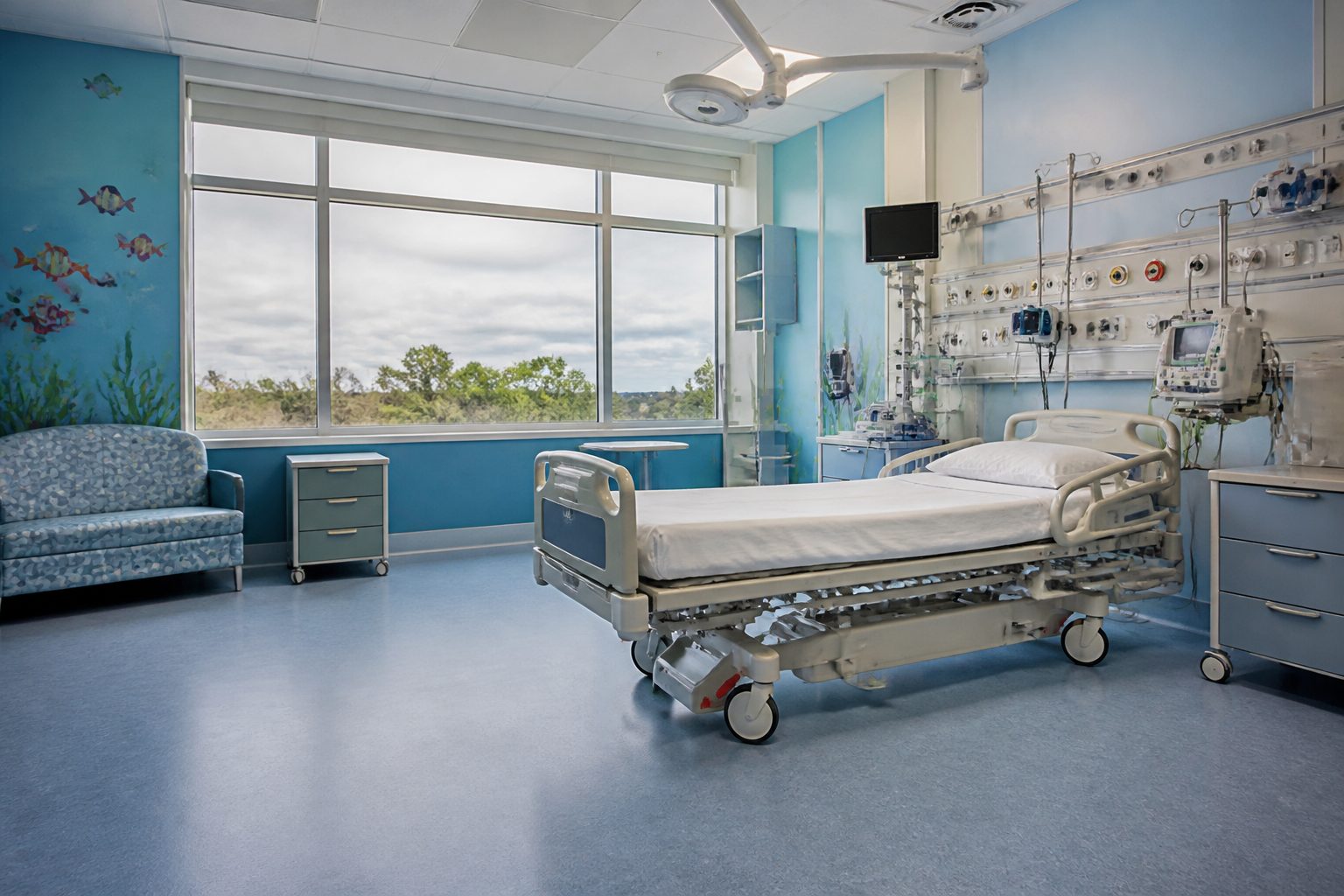
Families considering paediatric gastrointestinal surgery for their child in Chile can expect costs to range from $6,500 to $18,000, depending on the specific procedure, hospital, and complexity of the case. Chile is home to several specialist children’s hospitals and paediatric surgery units equipped to handle common and complex GI conditions.
This guide is for parents and caregivers seeking reliable information on paediatric surgical care in Chile. It covers costs, what’s included, how to compare hospitals, and practical steps to plan your child’s treatment.
What is paediatric gastrointestinal surgery?
Paediatric gastrointestinal (GI) surgery encompasses a wide range of operations performed on the digestive tract and associated organs in infants, children, and adolescents. These procedures may address congenital anomalies (such as Hirschsprung’s disease, esophageal atresia, or imperforate anus), acquired conditions (like appendicitis, intussusception, or inflammatory bowel disease), and complications from infections or trauma. Common surgeries include appendectomy, pyloromyotomy for hypertrophic pyloric stenosis, bowel resections, and procedures to correct malrotation or treat biliary atresia.
In Chile, most major children’s hospitals and private clinics in cities like Santiago, Valparaíso, and Concepción provide a comprehensive range of paediatric GI surgeries. These centres are typically staffed by paediatric surgeons who have completed specialist training in both general surgery and paediatric subspecialties, ensuring they understand the unique anatomical and physiological needs of children. The surgical teams are supported by paediatric anaesthesiologists, gastroenterologists, nutritionists, and intensive care specialists, which is crucial for managing complex cases and minimising risks.
Modern paediatric GI surgery in Chile increasingly favours minimally invasive (laparoscopic or endoscopic) techniques when appropriate, as these approaches generally lead to less postoperative pain, shorter hospital stays, and quicker recovery. Families can expect a multidisciplinary approach to care, with preoperative assessment, perioperative monitoring, and comprehensive post-surgical follow-up. If you are considering surgery for your child in Chile, ask the surgical team about their experience with your child’s specific condition and the range of treatment options available.
Typical costs for paediatric gastrointestinal surgery in Chile
The cost of paediatric GI surgery in Chile varies widely based on the type of procedure, hospital, and whether complications arise. The table below compares typical price ranges for common surgeries at major private hospitals, as well as how these costs compare with other countries in the region and globally.
| Country | Appendectomy | Hirschsprung’s Disease Repair | Pyloromyotomy | Intussusception Reduction |
|---|---|---|---|---|
| Chile | $6,500-$9,000 (CLP 5.8-8M) | $12,000-$18,000 (CLP 10.7-16M) | $7,500-$10,000 (CLP 6.7-8.9M) | $8,000-$11,000 (CLP 7.1-9.8M) |
| Argentina | $4,500-$7,000 | $10,000-$14,000 | $5,000-$8,000 | $6,000-$9,500 |
| Brazil | $5,000-$8,000 | $11,000-$16,000 | $6,000-$9,000 | $7,000-$10,500 |
| Mexico | $4,800-$8,500 | $9,500-$15,000 | $5,500-$8,500 | $6,500-$10,000 |
| USA | $10,000-$25,000 | $30,000-$60,000 | $12,000-$20,000 | $15,000-$30,000 |
| UK (private) | $8,500-$15,000 | $18,000-$30,000 | $9,000-$14,000 | $10,000-$18,000 |
| India | $2,200-$4,800 | $6,000-$10,000 | $2,700-$5,000 | $3,000-$6,500 |
| Thailand | $3,500-$7,000 | $8,000-$13,000 | $4,200-$7,500 | $5,000-$9,000 |
In Chile, public hospitals provide paediatric surgery at much lower cost, but access may be limited for international patients and waiting times can be significant. Private hospitals offer shorter wait times, English-speaking staff, and international patient services, but charge higher fees.
What is included in the price?
The quoted price for paediatric GI surgery in Chile at a private hospital usually covers:
- Pre-surgical assessment and anaesthesia
- Surgical procedure and operating theatre fees
- Hospital stay (2-7 days, depending on the procedure and recovery)
- Basic medications and post-operative care while admitted
- Routine laboratory and imaging tests required during the hospitalisation
However, the following are often not included and may incur extra costs:
- Initial outpatient specialist consultation
- Advanced imaging (MRI, CT) if required
- Extra days in hospital due to complications or slow recovery
- Specialist follow-up visits after discharge
- Medications to be taken at home
- Interpreter or translation services (if needed)
Always confirm with the hospital’s international patient coordinator what is and is not included, and request a written, itemised quote.
Hidden costs and what to watch out for
When budgeting for paediatric gastrointestinal surgery in Chile, it’s crucial to consider not just the quoted surgical fee but also the potential for hidden or unexpected costs. Hospital quotes often cover the base procedure and a standard hospital stay (usually 2–5 days), but several factors can increase the final bill. For example, if your child needs to remain in the hospital longer due to slow recovery, infection, or complications, each additional day can add hundreds to thousands of dollars. A stay in the paediatric intensive care unit (PICU) is particularly expensive, costing between $2,000 and $4,000 USD per day, and is not always included in package deals.
Other extra costs may include:
- Specialist consultations: If your child requires input from other specialists, such as a paediatric cardiologist, infectious disease expert, or geneticist, these consultations are billed separately.
- Advanced imaging or laboratory tests: CT scans, MRIs, or specialised blood tests can each add several hundred dollars to your bill.
- Blood products and medications: Transfusions, intravenous antibiotics, and special medications are often charged in addition to the base surgical fee.
- Parent and family expenses: Travel to Santiago or another major city, hotel accommodation, meals, and daily transportation are not included in hospital bills, and can add up quickly, especially for families coming from outside Chile.
Some hospitals in Chile offer package prices for common paediatric GI surgeries, but these often come with strict conditions—such as a fixed number of hospital days and no allowance for complications. Always read the fine print and ask for clarification on what happens if your child needs extra care. Check if follow-up visits, post-operative imaging, or medications are included. By being proactive and asking detailed questions about what is and isn’t covered, you can avoid unpleasant financial surprises and plan more accurately for your child’s care.
How to save on paediatric surgery in Chile—safely
Lowering the cost of paediatric gastrointestinal surgery in Chile is possible, but it should never come at the expense of your child’s safety or quality of care. Here are several practical strategies to help you manage costs while ensuring optimal outcomes:
- Choose specialised paediatric centres: Hospitals with a dedicated paediatric surgery department, such as Hospital Calvo Mackenna or Clínica Alemana in Santiago, often have streamlined protocols that reduce complications and length of stay. These centres may offer bundled pricing or have negotiated rates for certain procedures.
- Ask about minimally invasive surgery: Laparoscopic or endoscopic techniques can shorten recovery times and hospital stays, which translates to lower overall costs. Not all hospitals or surgeons offer these options, so inquire early in the process.
- Request detailed, transparent quotes: Work with international patient coordinators or hospital billing offices to get a comprehensive, itemised estimate. This should include surgeon’s fees, anaesthesia, hospital stay, medications, and likely extras. Ask for clarification on what is excluded—such as ICU, extended stays, or follow-up visits.
- Time your surgery strategically: Scheduling surgery during off-peak periods (such as outside of Chile’s January–February summer holidays) can sometimes result in lower hospital occupancy and, in rare cases, discounts or more flexible payment terms.
- Check your insurance coverage: If you have international health insurance or a government health plan from your home country, check if it covers treatment abroad. Some Chilean hospitals have direct billing arrangements with major insurers, which can simplify reimbursement and reduce out-of-pocket expenses.
Above all, never compromise on the expertise of the surgical team or the quality of post-operative monitoring just to save money. Verify the surgeon’s credentials through the Chilean Medical Association and review the hospital’s paediatric outcomes. If you are an international patient, seek recommendations from your embassy or expatriate community. Saving money is important, but your child’s safety and long-term health must always come first.
Best children’s hospitals for paediatric GI surgery in Chile
Chile’s leading paediatric hospitals are located in Santiago and major regional centres. The top private options include Clínica Las Condes, Clínica Santa María, and Clínica Alemana de Santiago, all of which have dedicated paediatric surgery units, paediatric ICUs, and international patient services. These hospitals are known for a multi-disciplinary approach, English-speaking staff, and modern facilities.
Public hospitals such as Hospital de Niños Dr. Exequiel González Cortés and Hospital Luis Calvo Mackenna are also highly respected for complex cases, but access for non-residents is limited. If you are not a Chilean citizen or resident, private hospitals are the most practical choice for timely and comprehensive care.
How to choose the right hospital and surgeon
When preparing for paediatric gastrointestinal (GI) surgery in Chile, selecting the right hospital and surgeon is one of the most important decisions you will make. The cost and outcome of surgery can vary significantly depending on your choice, so it’s essential to look beyond just the headline price. Start by evaluating the hospital’s experience: major paediatric centres in Santiago, such as Hospital de Niños Roberto del Río or Clínica Las Condes, often perform hundreds of paediatric GI surgeries annually, which is associated with better outcomes and lower complication rates. Ask specifically about the number of procedures similar to your child’s that are performed each year, as high surgical volume is a key indicator of expertise.
- Paediatric anaesthesia and intensive care: Ensure the hospital has anaesthesiologists and intensive care units (ICUs) dedicated to children. Paediatric patients require different medication dosages, monitoring, and supportive care than adults.
- Accreditation: Look for hospitals accredited by international bodies like JCI (Joint Commission International) or the Chilean Superintendencia de Salud. Accreditation confirms the hospital meets rigorous safety and quality standards.
- Multidisciplinary support: The best outcomes occur when surgeons work alongside paediatric gastroenterologists, nutritionists, radiologists, and child life specialists. Ask if these services are available and included in the surgical care plan.
- Communication and language support: For international families, clear communication is vital. Some Chilean hospitals have English-speaking coordinators and medical staff to guide you through the process, including cost estimates and logistical planning.
When meeting with the surgeon, inquire about their training credentials: did they complete a paediatric surgery fellowship, and do they have specific experience with your child’s diagnosis? Request information on their complication rates and outcomes for similar cases. In Chile, surgeons at major private clinics and public children’s hospitals often publish their results or can provide references. Hospitals with dedicated paediatric surgical units almost always offer safer, more coordinated care, with protocols tailored for children’s unique needs. Finally, visit the facility if possible, and ask to see the paediatric post-operative care areas to ensure they are child-friendly and well-equipped.
Preparing for your child’s surgery in Chile
Once you have selected a hospital and surgeon, the following steps help ensure a smooth experience:
- Send all relevant medical records, including imaging and lab results, in advance
- Confirm the diagnosis with a specialist consultation (can sometimes be done remotely)
- Arrange for translation or interpreter services if needed
- Plan travel to arrive at least 2-3 days before surgery for pre-operative assessment
- Ensure you have accommodation close to the hospital for parents or guardians
- Check vaccination requirements and health regulations for entry to Chile
Hospitals in Chile are accustomed to international patients and can assist with logistics, but early planning is essential. Bring all prescription medications and a summary of your child’s medical history in English and Spanish if possible.
Vaccination and newborn screening in Chile
Chile maintains a comprehensive national immunisation schedule, which is strictly enforced in both public and private hospitals, especially when children are scheduled for elective surgeries. Before your child’s GI surgery, hospitals typically require up-to-date documentation for core vaccines such as MMR (measles, mumps, rubella), polio, hepatitis B, diphtheria, tetanus, and pertussis. This requirement helps protect vulnerable patients from preventable infectious diseases during their hospital stay, where exposure risk can be higher.
Newborn screening in Chile is widely available at major hospitals, both public and private. Standard screening tests include checks for metabolic disorders (such as phenylketonuria and hypothyroidism), cystic fibrosis, and, in some centres, expanded panels for rare genetic diseases. If your child has a rare or inherited metabolic condition, bring all medical records and test results with you to facilitate proper perioperative care and avoid unnecessary repeat testing, which can add to your costs.
Routine vaccinations are provided at minimal or no cost in Chilean public health clinics (consultorios), making it accessible for local and international families residing in Chile. However, if you are using private hospitals or clinics, be aware that each vaccine dose may cost between $25 and $60 USD, depending on the vaccine and the facility. Some vaccines, such as rotavirus or pneumococcal, may not be included in the public schedule and can incur extra charges. Always check with your hospital coordinator if additional vaccines are recommended or required before surgery, and factor these costs into your overall budget. International patients should also ensure their child’s vaccination records are translated and officially certified if necessary, as some hospitals may require this for admission.
Frequently asked questions
How long will my child need to stay in the hospital after GI surgery?
For most routine procedures, the hospital stay is 2-5 days. Complex surgeries or complications may require a longer stay, especially if intensive care is needed. Your surgeon will give a specific estimate based on your child’s procedure and recovery progress.
Are English-speaking doctors available at Chilean children’s hospitals?
Most major private hospitals in Santiago have English-speaking paediatric surgeons and coordinators. Public hospitals may have limited English support. If language is a concern, request interpreter services in advance.
Is it safe to travel to Chile for paediatric surgery?
Chile is considered safe for medical travel, with modern hospitals and international-standard care in major cities. Always check current travel advisories and confirm hospital infection control practices before booking.
Can I stay with my child in the hospital?
Most private children’s hospitals in Chile allow one parent or guardian to stay with the child during admission, either in the same room or nearby. Ask about accommodation options and any extra charges for rooming-in.
What payment methods are accepted by hospitals in Chile?
Private hospitals usually accept major credit cards, wire transfers, and sometimes cash payments in US dollars or Chilean pesos. A deposit may be required before admission, with the balance due before discharge.
Related guides
Disclaimer: Prices in this guide are indicative and vary by hospital, procedure, and individual patient needs. Always request a detailed written quote and consult a qualified paediatric surgeon before making any medical or financial decisions.