
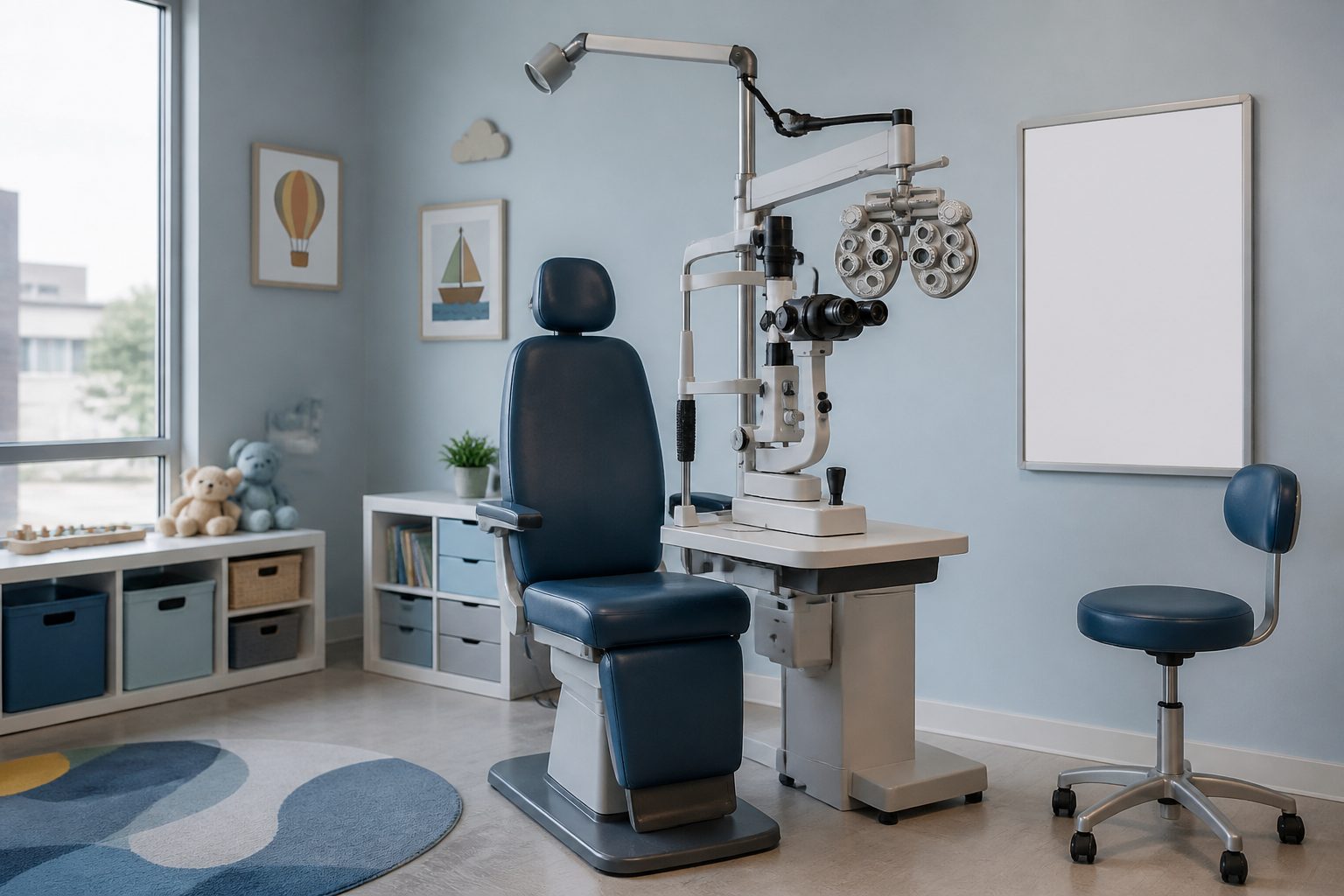
Eye screening for children is essential to detect vision problems early and prevent long-term issues. If you are comparing costs in India, the UK, and Malaysia, expect a wide range depending on the clinic and depth of tests.
For a basic screening, prices start from as little as $5 (₹400) in India, around $25 (MYR 120) in Malaysia, and $50–$80 (£40–£65) in the UK’s private sector. Public options may be free or subsidised for some, but private clinics offer faster appointments and wider choice.
What is included in a children’s eye screening?
Children’s eye screening is more than just a standard vision check. A comprehensive appointment generally involves assessing visual acuity, checking for refractive errors like myopia or hyperopia, evaluating eye alignment (to rule out squint or strabismus), and examining the health of the eye’s front and back. For children who cannot read letters, child-friendly charts or symbols are used. Some clinics also perform tests for colour vision, depth perception, and screen for congenital or developmental eye conditions.
In India and Malaysia, basic screenings at optical shops or general clinics may only include a vision check and a flashlight exam. At paediatric ophthalmology centres or children’s hospitals, the screening is more detailed and may include cycloplegic refraction (using drops to relax the eye for accurate measurement), fundoscopy (back of the eye exam), and orthoptic assessment. In the UK, the NHS provides free vision checks at certain ages, but many families opt for private clinics for convenience, which typically offer a more thorough assessment and less waiting.
Typical costs in India, UK, and Malaysia
The cost of eye screening for children varies by country, city, and provider type. In India, prices are generally lowest, with many urban clinics offering packages. In Malaysia, costs are moderate, with public hospitals charging less but with longer wait times. In the UK, private clinics are the most expensive, though NHS screenings are free for eligible children.
Below is a comparison of typical costs for a comprehensive children’s eye screening in major cities in each country. Prices are for a standard initial appointment and do not include follow-up, glasses, or further treatment.
| Country | City | Typical cost (USD) | Inclusions | Exclusions |
|---|---|---|---|---|
| India | Mumbai, Delhi, Bengaluru | $5-$25 (₹400–2,000) | Vision check, refraction, basic eye health assessment | Glasses, advanced imaging, follow-up |
| UK | London, Manchester, Birmingham | $50-$80 (£40–£65) | Comprehensive screening, orthoptic assessment | Glasses, further specialist care |
| Malaysia | Kuala Lumpur, Penang, Johor Bahru | $25-$45 (MYR 120–210) | Vision check, refraction, eye health exam | Glasses, specialist referral |
What is not included in the price
While many clinics advertise affordable eye screening packages, it’s crucial for parents to understand what these prices actually cover—and what they leave out. Most basic screenings only include a general vision check and perhaps a simple refraction test. The cost of prescription glasses is almost always separate, and this can vary greatly: in India, you might find basic frames and lenses for as little as $10 (₹800), but prices can escalate quickly for higher-quality materials or specialized lenses. In Malaysia, similar price ranges apply, though imported frames or high-index lenses will cost more. In the UK, particularly in private clinics, expect to pay upwards of $100 (£80) for a complete pair, with designer or specialty frames costing even more.
If the initial screening suggests your child needs further evaluation, these follow-up tests—such as eye imaging (e.g., OCT scans), visual field tests, or in-depth consultations with a paediatric ophthalmologist—are billed separately and can add significantly to your total outlay. Ongoing management of conditions like amblyopia (lazy eye) often requires regular follow-up visits, therapy sessions, or treatments such as patching or medicated eye drops, none of which are typically included in the initial screening fee.
Parents should also be aware that some clinics may charge extra for documentation, medical reports, or administrative fees. It is wise to ask for a comprehensive breakdown of what is included in the quoted price and to confirm whether any follow-up care, reports for schools, or repeat visits are covered. This is especially important in private clinics, where pricing structures can be complex and vary widely.
Hidden costs and potential extras
When planning for your child’s eye screening, it’s important to be aware of additional costs that may not be immediately clear in the advertised price. Many clinics, especially in urban centers in India, Malaysia, and the UK’s private sector, may charge extra for specific procedures. For example, dilating eye drops—which help the doctor examine the back of the eye—often incur a separate fee. Advanced refraction tests, essential for accurately diagnosing complex vision issues, may also be billed separately. Child-friendly orthoptic equipment, designed to make the process less intimidating for young children, can sometimes come with a premium.
In larger hospitals, particularly in metropolitan cities like Mumbai, Kuala Lumpur, or London, there may be facility or registration charges added to your bill. If the initial screening indicates the need for further evaluation, costs can rise quickly. Tests such as visual field analysis, Optical Coherence Tomography (OCT) scans, or consultations with a paediatric ophthalmologist can each add the equivalent of $20–$100 to your total expenses, depending on the country and the clinic’s reputation.
Prescription glasses, if needed after screening, represent another variable cost. Frame and lens prices vary widely, from basic plastic frames to designer brands or specialized lenses for complex prescriptions. Transportation is another practical consideration, especially in large cities where paediatric eye specialists may only be available at major hospitals, potentially requiring long commutes or even overnight stays for families from rural areas. Always ask for a detailed estimate before the appointment and clarify what is and isn’t included to avoid surprises.
How to save safely on children’s eye screening
In India, many leading eye hospitals and charitable trusts offer subsidised or even free screening camps for children, especially during school holidays. Ask your local hospital about outreach programmes. In Malaysia, public hospitals and government clinics offer low-cost screening, but wait times can be longer and appointments may be less flexible. In the UK, children are eligible for free NHS vision screening at school entry age (around 4–5 years), and NHS vouchers help cover the cost of glasses for those who qualify. However, private clinics offer shorter waits and more comprehensive checks for a fee.
To ensure quality, look for clinics with a paediatric ophthalmologist or optometrist experienced in children’s eye care. Avoid informal optical shops for anything more than a basic vision check, especially for children under 7 or those with known eye problems. Always ask for a full breakdown of costs before booking.
How to choose a clinic or hospital
For young children or those with suspected eye problems, it is best to choose a hospital or clinic with a dedicated paediatric ophthalmology department. These centres have staff trained to work with children, child-friendly equipment, and access to orthoptists and vision therapy if needed. In India and Malaysia, look for hospitals accredited by the National Accreditation Board for Hospitals (NABH) or Malaysian Society for Quality in Health (MSQH). In the UK, clinics registered with the Care Quality Commission (CQC) and employing paediatric-trained optometrists are preferable.
International patients should consider hospitals with experience in medical tourism, English-speaking staff, and transparent billing. Ask about appointment wait times, whether a parent can accompany the child during the exam, and if translation is available if needed.
Why early screening matters
Early eye screening is vital because many childhood vision problems, such as amblyopia (lazy eye), strabismus (crossed eyes), and refractive errors (like myopia or hyperopia), are most effectively treated when detected at a young age—ideally before age 8, when the visual system is still developing. Timely identification and intervention can prevent permanent vision loss, which can have lifelong consequences for learning, social development, and self-confidence. In countries like India and Malaysia, where access to specialized care may be limited in rural areas, early screening is especially important to catch issues that might otherwise go unnoticed until they become severe.
Some eye conditions, such as congenital cataracts or retinoblastoma (a rare eye cancer), require urgent medical attention and can be life-threatening if not treated promptly. Regular screening also helps detect less obvious problems that might affect your child’s ability to read, play, or participate in school. Both the UK’s NHS and leading paediatric associations in India and Malaysia recommend at least one comprehensive eye screening before school age, with additional checks if there is a family history of eye disorders, a history of premature birth, or observed visual difficulties.
Parents should be vigilant for symptoms such as frequent squinting, sitting too close to screens, persistent eye rubbing, misaligned eyes, or complaints of headaches and blurred vision. These could be early warning signs of underlying issues, and prompt screening can make a crucial difference. Early detection not only improves treatment outcomes but also supports your child’s academic and social success. If you notice any of these symptoms, don’t delay—book a screening with a qualified eye care professional as soon as possible.
Planning your child’s eye screening: practical tips
To ensure a smooth and effective eye screening experience for your child, a bit of planning goes a long way. Start by scheduling the appointment at a time when your child is typically alert and cooperative—mornings are often best for young children. Bring along any previous medical, developmental, or vision records, as these can help the eye care professional tailor the screening and spot any changes over time.
Children may feel anxious about medical visits, so prepare them by explaining in simple terms what will happen and why it’s important. Bringing a favorite toy, book, or comfort object can help ease nerves, especially for younger kids. Allow extra time for the visit, as some screenings require dilating eye drops, which can temporarily blur vision and make your child sensitive to light for several hours.
If you are travelling from another city or country—common in India and Malaysia for families seeking specialized paediatric care—contact the clinic in advance to confirm their experience with non-local patients. Ask about payment options, as some clinics may only accept local currency or specific insurance plans. For children with special needs, check if the clinic has experience and facilities to accommodate them, such as wheelchair access, sensory-friendly waiting areas, or staff trained in handling developmental or behavioral challenges.
Finally, double-check the clinic’s reputation by reading reviews or seeking recommendations from other parents or local pediatricians. Clarify appointment details, estimated duration, and what documentation you need to bring. Good planning helps make the experience positive and ensures your child gets the most benefit from their eye screening.
The bottom line
Investing in eye screening for your child is a relatively small but crucial step that can significantly influence their overall development, academic performance, and quality of life. The price for a comprehensive eye check varies not only by country but also by the type of clinic and level of service provided. In India, government hospitals and many private clinics offer screenings at affordable rates, sometimes subsidized or free for low-income families. In Malaysia, public health initiatives keep costs manageable, and private clinics are generally accessible for most families. In contrast, while the National Health Service (NHS) in the UK covers basic vision checks for children, private sector screenings can be considerably more expensive, reflecting higher operational costs and more extensive testing options.
Regardless of location, early and periodic eye screening is highly recommended, particularly if your child has symptoms such as squinting, frequent headaches, or a family history of eye disorders. Choosing a reputable clinic is essential—look for clinics with certified paediatric ophthalmologists, child-friendly equipment, and clear protocols for follow-up care. Always clarify what the quoted price includes: some packages cover only basic vision tests, while others include more advanced assessments or consultation with an eye specialist. Don’t hesitate to ask about payment options, insurance coverage, and the availability of financial assistance if needed. Ultimately, prioritizing your child’s eye health is a wise investment that can yield lifelong benefits.
Frequently asked questions
What age should children have their first eye screening?
Most experts recommend an initial screening by age 3–4, or sooner if there are symptoms or risk factors such as family history or premature birth. In some countries, vision checks are done at birth and again before school entry. Early screening helps detect and treat problems before they affect learning and development.
Is children’s eye screening covered by insurance?
In India and Malaysia, basic eye screenings are not always covered by standard insurance, but some higher-tier policies include paediatric vision care. In the UK, NHS screenings are free for eligible children, while private clinics require out-of-pocket payment unless you have private health insurance with vision benefits.
How long does a children’s eye screening appointment take?
A typical appointment lasts 20–40 minutes. If dilating eye drops are used, allow an extra 30–45 minutes for the drops to take effect and for observation. For children needing more detailed tests or with special needs, appointments may take longer.
What if my child needs glasses after screening?
If your child is prescribed glasses, you can purchase them at the clinic, an optical shop, or online. The cost varies by country and frame type. In the UK, NHS vouchers help with the cost. In India and Malaysia, frames start from $10–$20, but premium options are more expensive.
Are there risks to children’s eye screening?
Eye screening is safe. Some children may dislike the eye drops used for dilation or refraction, which can cause mild stinging and temporary blurred vision. Serious risks are extremely rare. Let the clinic know if your child has allergies or previous reactions to eye medications.
Related guides
Disclaimer: Prices and services described are indicative and can vary widely by clinic, city, and your child’s specific needs. Always request a written quote and consult a qualified paediatric eye specialist before making any decisions.