Parents seeking neonatal jaundice treatment in Europe or Asia can expect costs ranging from $400 to $3,500, depending on the country, hospital, and severity of the case. This guide breaks down typical prices, what’s included, and what to watch for in both regions.
This article is for families considering treatment options for newborn jaundice and wanting to understand hospital costs, what drives the price, and how to select a centre with strong paediatric expertise.
What is neonatal jaundice and how is it treated?
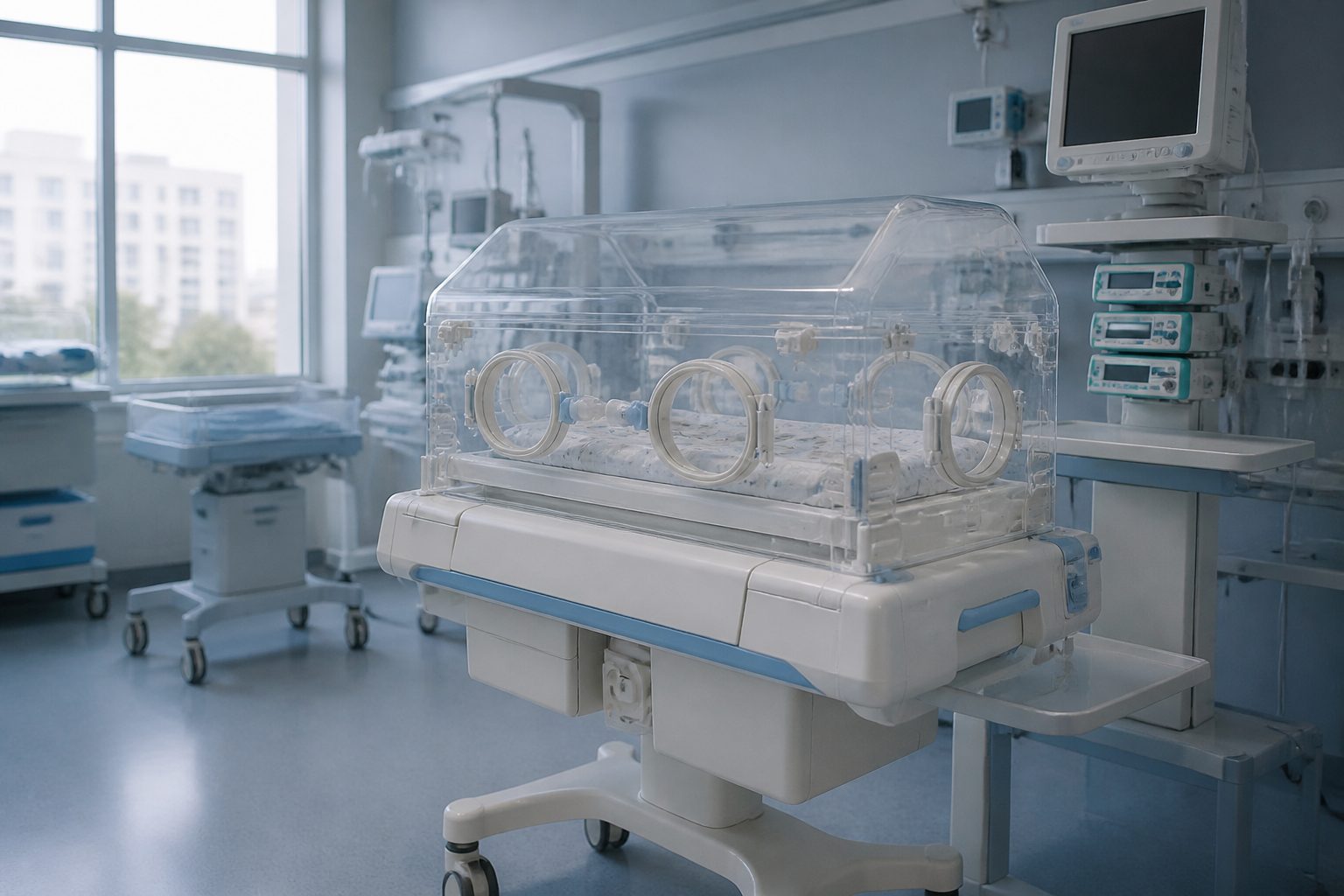
Neonatal jaundice is a common condition where a newborn’s skin and eyes turn yellow due to high bilirubin levels. Most cases are mild and resolve without intervention, but some require medical treatment to prevent complications such as kernicterus. Treatment typically involves phototherapy (light therapy), and in more severe cases, exchange transfusion. Hospital admission may be needed for monitoring and therapy, especially in premature or unwell infants.
Treatment protocols are broadly similar worldwide, but the approach may differ based on available resources, local guidelines, and hospital capabilities. Early diagnosis and prompt management are key to preventing long-term harm.
Cost comparison: Neonatal jaundice treatment in Europe and Asia
Prices for neonatal jaundice treatment vary widely across Europe and Asia. The main factors are the type of hospital (public vs private), the need for intensive care, and whether additional investigations or treatments (such as exchange transfusion) are required. Below is a summary table comparing typical costs in major countries.
| Country | Typical cost (USD) | Local currency (approx.) | What’s included |
|---|---|---|---|
| Germany | $1,800–$3,200 | €1,670–2,950 | Admission, phototherapy, blood tests, paediatrician fees |
| UK | $0–$2,900 | £0 (NHS)–£2,300 | Free on NHS for residents; private care includes all standard treatments |
| France | $1,200–$2,700 | €1,100–2,500 | Admission, phototherapy, routine labs, paediatrician fees |
| India | $400–$1,500 | ₹33,000–1.25 lakh | Admission, phototherapy, routine labs, paediatrician fees |
| Thailand | $700–$2,100 | ฿25,000–75,000 | Admission, phototherapy, labs, paediatrician fees |
| Singapore | $1,200–$2,800 | S$1,600–3,700 | Admission, phototherapy, routine labs, paediatrician fees |
| Turkey | $650–$1,700 | ₺21,000–55,000 | Admission, phototherapy, labs, paediatrician fees |
| Philippines | $500–$1,200 | ₱28,000–67,000 | Admission, phototherapy, routine labs, paediatrician fees |
| Indonesia | $450–$1,100 | Rp 7–17 million | Admission, phototherapy, routine labs, paediatrician fees |
| Bangladesh | $400–$900 | ৳44,000–100,000 | Admission, phototherapy, routine labs, paediatrician fees |
What is included in the price?
The listed prices usually cover hospital admission for 2–4 days, phototherapy sessions, routine blood tests (bilirubin, complete blood count), and daily paediatrician visits. In higher-end hospitals or private care, the cost may also include additional diagnostics (such as blood group testing, infection screens) and discharge medications. If the baby requires intensive care, exchange transfusion, or longer stays, costs rise significantly. Parent accommodation, meals, and follow-up visits are often charged separately.
Public hospitals, especially in Europe, may offer free or subsidised care for residents, but international patients are typically charged at private rates. In Asia, costs are lower in government hospitals, but availability for non-residents is limited or may involve long waits.
Hidden costs and extra charges
When budgeting for neonatal jaundice treatment, it is crucial to look beyond the standard quoted price, as a range of hidden costs and extra charges can significantly increase the final bill. These additional fees often catch families by surprise, especially if the baby requires extended care or specialized interventions. For instance, if jaundice persists longer than expected, extra days in the hospital can quickly add hundreds or even thousands of dollars to the overall cost, particularly in Western Europe where daily hospital rates are higher. In Asia, while the base cost may be lower, additional nights and services can still add up, especially in private hospitals.
- Extra days in hospital: Prolonged phototherapy or monitoring may necessitate more nights, with daily rates varying widely by country and hospital type.
- Specialist consultations: If complications arise, such as suspected kernicterus or neurological symptoms, consultations with paediatric neurologists or other specialists may be necessary, and these are often billed separately.
- Advanced investigations: Some infants require extra laboratory tests, such as G6PD deficiency screening, Coombs test, or a full sepsis workup. These advanced tests can be particularly expensive in European private hospitals, while in Asian public hospitals, prices may be more moderate but still significant.
- Medications for underlying causes: If jaundice is due to infection or metabolic disorders, additional medications may be needed, which are rarely included in the base treatment package.
- Parent accommodation and meals: Many hospitals, especially in Europe, charge for parent beds, meals, or use of family rooms. In some Asian countries, these may be included or available at a lower cost, but it varies.
- Follow-up visits and repeat bilirubin tests: After discharge, babies often need repeat blood tests and checkups, which may not be covered in the initial estimate, particularly in private or international hospitals.
To avoid unexpected expenses, always request a detailed, itemised quote before admission and clarify exactly what is included in the treatment package. Ask specifically about the potential for extra days, specialist fees, and follow-up costs. In both Europe and Asia, being proactive about understanding the full scope of possible charges can help families plan and avoid financial strain.
What drives the price of neonatal jaundice treatment?
The main factors influencing the cost are:
- Type of hospital: Private facilities charge more, but often offer faster admission and more comfort. Public hospitals are less expensive but may have longer waits and fewer amenities for parents.
- Level of care needed: Babies requiring only standard phototherapy and monitoring cost less than those needing intensive care or exchange transfusion.
- Geographic location: Western European countries generally have higher prices than Asian countries. Major cities and international hospitals also tend to cost more.
- Additional services: Parent accommodation, translation, and international patient services may add to the total bill.
Exchange rates and hospital pricing policies can also affect what international patients pay.
How to choose a children’s hospital for jaundice treatment
Selecting the right hospital for your baby’s jaundice treatment is a critical decision that can affect both the quality of care and the overall cost. Start by researching hospitals with a strong focus on neonatology and paediatrics, as these institutions are better equipped to handle the nuances of neonatal jaundice, especially if complications arise. In Europe, look for major children’s hospitals or university-affiliated centers, which often have dedicated neonatal intensive care units (NICUs) and experienced staff. In Asia, leading private hospitals and teaching hospitals in urban centers like Bangkok, Singapore, or Mumbai are known for their advanced neonatal care.
- Availability of 24/7 neonatal care: Ensure the hospital has round-the-clock neonatal services and modern phototherapy equipment, as timely intervention is crucial.
- Experienced staff: The presence of board-certified paediatricians and neonatologists is essential for managing both routine and complex cases.
- Accreditations: Look for international accreditations such as JCI (Joint Commission International) or respected national certifications, which signal adherence to high standards of safety and care.
- Transparent cost information: Choose hospitals that are willing to provide clear, itemised quotes and answer questions about what is and isn’t included in the treatment package.
- Support for international families: Services such as interpreters, visa assistance, and accommodation for parents can make a significant difference, especially if you are seeking treatment abroad.
Additionally, ask about nurse-to-patient ratios, as lower ratios mean more personalized attention for your baby. Inquire about infection control protocols, which are particularly important for vulnerable newborns. Clarify visiting policies for parents, as some hospitals have strict rules that may affect your ability to stay with your child. For babies with severe jaundice or underlying health issues, ensure the hospital has a well-equipped NICU and access to subspecialists. Taking these practical steps will help you choose a hospital that combines high-quality care with transparency and family support.
How to save safely: Tips for families
Managing the cost of neonatal jaundice treatment can be challenging, but there are several ways families can save money without compromising their child’s safety or quality of care. The key is to make informed choices and prioritize hospitals that offer both affordability and clinical excellence. Here are practical steps to consider:
- Choose reputable public or teaching hospitals: In both Europe and Asia, public hospitals and university-affiliated centers often deliver high standards of neonatal care at significantly lower fees than private facilities. These institutions also tend to have the latest equipment and experienced staff.
- Ask about bundled packages: Some hospitals, especially in Asia, offer comprehensive packages that include all basic treatments—such as phototherapy, blood tests, and routine medications—at a fixed price. This can protect against unexpected add-on costs.
- Consider early discharge with outpatient follow-up: If your baby is stable, inquire about the possibility of early discharge with scheduled outpatient bilirubin checks. This approach can reduce hospital stay costs but should only be pursued if safe and supported by the medical team.
- Explore insurance or embassy support: Check if your health insurance covers neonatal care abroad, or if your country’s embassy can provide financial or logistical assistance, especially if you are an international patient.
- Compare multiple hospitals: Request detailed, itemized quotes from at least three hospitals, and ask specifically about all potential extra charges, including specialist fees, additional tests, and extended hospital stays.
It is important to avoid low-cost clinics or facilities that lack 24/7 neonatal monitoring, as newborns with jaundice can deteriorate rapidly and may need urgent intervention. Always prioritize hospitals with strong safety records, qualified staff, and the ability to handle complications. By following these tips, families can manage costs while ensuring their baby receives the best possible care.
Planning your child’s hospital stay: Practical advice
For families—especially those traveling internationally—thorough preparation can make your child’s hospital stay for jaundice treatment much smoother and less stressful. Start by gathering all relevant medical records, including birth details, previous bilirubin test results, and any notes from your paediatrician. Having this information ready can help the hospital team make quicker and more informed decisions about your baby’s care.
Before admission, contact the hospital to clarify key practical details. Ask about the admission process—whether you need an appointment, what documents to bring, and how long the initial evaluation will take. Find out about visiting hours, as some hospitals, particularly in Europe, have strict schedules, while others in Asia may be more flexible. Check what facilities are available for parents, such as breastfeeding rooms, overnight accommodation, and meal options. Some hospitals offer special family rooms or lounges, while others may charge extra for these amenities.
If you are traveling from another country, allow extra time for travel, settling in, and your baby’s recovery. Make sure you have a plan for follow-up care after discharge, whether in the same country or back home. Ask the hospital if they provide language support, such as interpreters, and clarify payment options—some hospitals require advance deposits, especially for private or international patients. It is also wise to inquire about refund policies in case your baby is discharged earlier than expected or if treatment needs change.
By planning ahead and asking detailed questions, you can minimize logistical challenges and focus on supporting your baby’s recovery during this critical time.
The bottom line
Neonatal jaundice is a widespread and manageable condition, but the financial impact of its treatment can vary dramatically depending on where and how your child is treated. Across Europe and Asia, families can expect total treatment costs to range from approximately $400 in some public Asian hospitals to as much as $3,500 or more in top-tier European children’s hospitals. These figures are influenced by several factors, including the country’s healthcare system, whether you choose a public or private facility, the severity of your baby’s jaundice, and the need for specialized care or longer hospital stays.
In general, treatment in Asian countries such as India, Thailand, or Malaysia tends to be more affordable, particularly at government or teaching hospitals where subsidized rates are available for local residents. However, international patients in private Asian hospitals may still face substantial bills, especially if advanced diagnostics or extended care are required. In Europe, costs are typically higher, especially in Western European nations like Germany, France, or the UK, where standards are extremely high and comprehensive support services are provided. Leading European children’s hospitals offer not only expert neonatal care but also additional amenities and support for international families, which can add to the overall cost.
Regardless of location, it is vital to request a detailed, itemized quote and clarify what is included in the package—such as phototherapy, blood tests, specialist fees, and post-discharge follow-up. Opt for hospitals with proven neonatal expertise and robust support for international families, including language assistance and help with logistics. By being informed and proactive, families can ensure that their baby receives safe, effective care without unexpected financial surprises.
Frequently asked questions
How long does treatment for neonatal jaundice usually take?
Most babies need 2–4 days of hospital admission for phototherapy, though some mild cases are treated as outpatients. Severe jaundice or complications may require longer stays and more intensive monitoring. Always follow your doctor’s recommendations for discharge and follow-up.
Is phototherapy safe for newborns?
Phototherapy is widely used and considered very safe for treating neonatal jaundice. Side effects are rare and usually mild, such as temporary skin rash or loose stools. The benefits of reducing high bilirubin levels far outweigh the risks when treatment is properly supervised.
Can insurance cover neonatal jaundice treatment abroad?
Some international health insurance policies cover neonatal care, but coverage varies. Check your policy details and confirm with both the insurer and hospital before admission. Many hospitals require payment upfront, with reimbursement after discharge if covered.
Are there ways to prevent jaundice in newborns?
Most cases of neonatal jaundice are not preventable, as they are related to the immature liver in newborns. Early and frequent feeding can help reduce risk. Babies at higher risk (premature, blood group incompatibility) should be monitored closely after birth.
What happens if jaundice is left untreated?
If untreated, very high bilirubin levels can cause permanent brain damage (kernicterus). Prompt recognition and treatment are essential. Most babies recover fully with appropriate care, but delays in treatment can have serious lifelong consequences.
Related guides
Disclaimer: The prices listed are indicative and can vary depending on hospital, location, and individual circumstances. Always obtain a written quote and consult a qualified doctor for personalised medical advice and treatment options.