
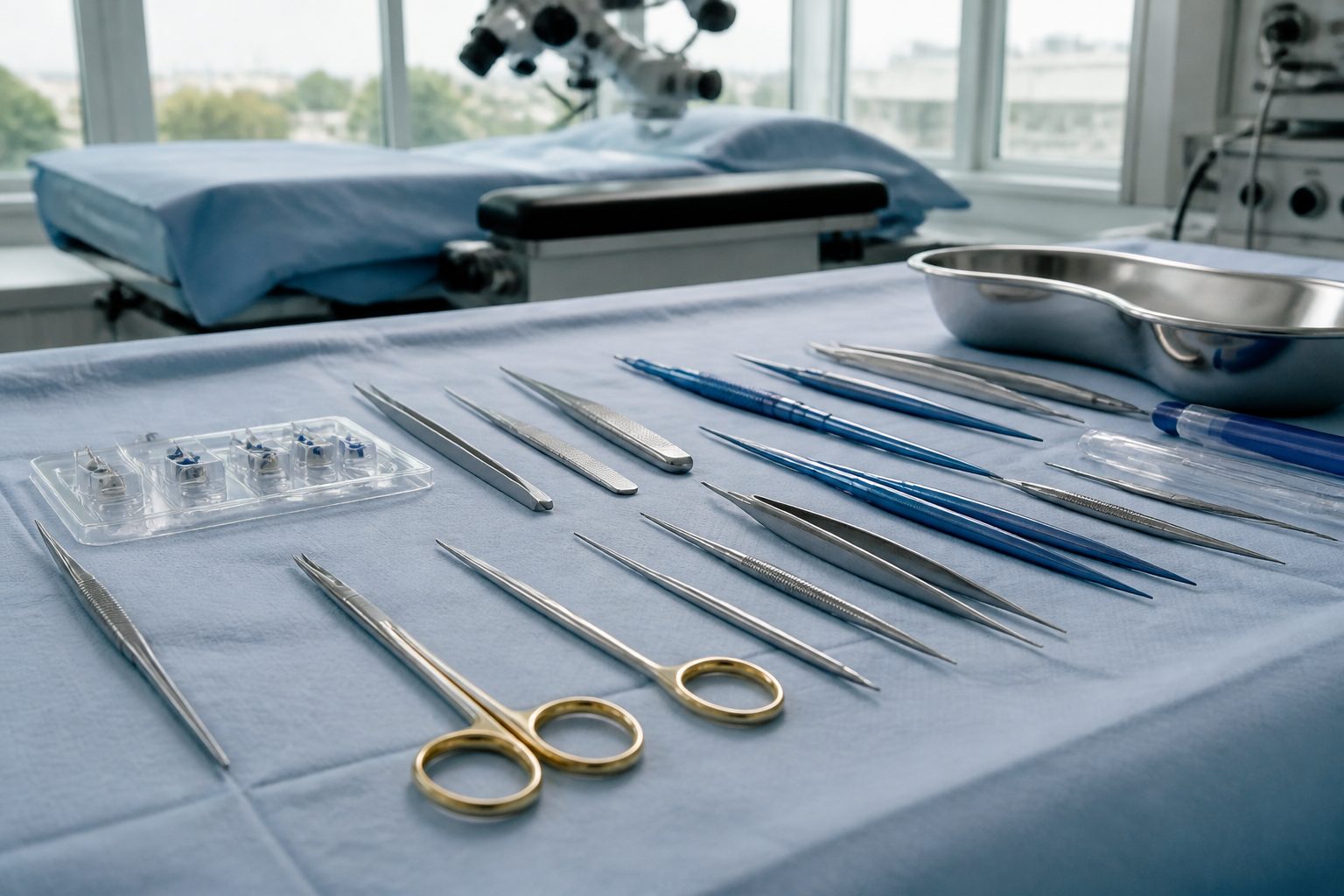
Parents seeking paediatric cataract surgery in Bangladesh or Thailand can expect to pay between $750 and $1,300 per eye in Bangladesh, and $2,000 to $3,800 in Thailand. These figures reflect typical costs at reputable children’s hospitals, though fees may vary with hospital, surgeon, and what’s included.
This guide covers what drives paediatric cataract surgery pricing in both countries, what’s usually included, how to choose a hospital, and what families should know about planning, hidden costs, and aftercare. It’s designed for families comparing options and needing clear, practical information.
What is paediatric cataract surgery?
Paediatric cataract surgery is a delicate and highly specialised procedure performed to remove a cloudy lens (cataract) from a child’s eye. The natural lens is typically replaced with an artificial intraocular lens (IOL) to restore clear vision. Early intervention is essential—especially in infants and young children—because untreated cataracts can quickly lead to permanent vision loss or amblyopia (lazy eye), which is much harder to reverse if not addressed promptly.
This surgery is significantly more complex in children than in adults for several reasons. Children’s eyes are still developing, which means the surgery must be tailored to their unique anatomy and growth patterns. The risks associated with anaesthesia are higher in young children, requiring the presence of a paediatric anaesthesiologist. Additionally, the surgical team must be skilled in paediatric ophthalmology, as the techniques and equipment used can differ from those for adults. Children may also require additional procedures, such as posterior capsulotomy or anterior vitrectomy during surgery, to prevent secondary cataract formation.
Most paediatric cataract surgeries are performed under general anaesthesia, ensuring the child remains still and comfortable throughout. Hospital stays are typically short—often just one to two days—but the aftercare is extensive. Follow-up visits are mandatory to monitor healing, check for post-operative complications (like increased eye pressure or inflammation), and assess visual development. In some cases, children may require vision therapy, patching, or corrective glasses after surgery to maximise their visual outcome. Parents must be prepared for a long-term commitment to post-surgical care and regular check-ups, which are critical for the best results.
What is included in the price?
The quoted price for paediatric cataract surgery in Bangladesh and Thailand varies widely depending on the hospital, the complexity of the case, and the specific services included. Understanding exactly what is covered in your chosen package is crucial to avoid unexpected expenses later on.
- Pre-surgery consultation and basic eye tests: Most packages include an initial consultation with a paediatric ophthalmologist and standard eye assessments, such as visual acuity tests and slit-lamp examination.
- Surgical fees: This encompasses the surgeon’s fee, anaesthetist’s fee, and operating theatre charges. The expertise of the team is especially important in paediatric cases, and top hospitals in Dhaka or Bangkok often employ internationally trained specialists.
- Standard intraocular lens (IOL): A basic monofocal IOL is usually included. However, if your child requires a premium or imported lens for better visual outcomes, there will be additional charges.
- Hospital stay: The standard package typically covers a 1-2 day stay in a general paediatric or private room, including basic nursing care and meals for the patient.
- Immediate post-operative care: This usually covers the first 1-2 follow-up visits, basic post-op medications (such as antibiotic and anti-inflammatory eye drops), and routine wound checks.
However, there are several items that are often not included in the base price, which can increase your total cost:
- Advanced imaging: Ultrasound, OCT, or other specialised scans may be needed for complex cases and are usually billed separately.
- Premium IOLs: Lenses with advanced features, such as multifocal or toric correction, or those imported from international manufacturers, can add significant cost.
- Additional anaesthesia monitoring: Young children or those with health risks may require more intensive anaesthesia care, which can increase fees.
- Extended hospitalisation: If complications arise or if the child needs extra observation, additional days in hospital will be charged.
- Ongoing follow-up and therapy: Regular follow-up visits beyond the initial period, vision therapy, and amblyopia management are typically not included in the standard package.
- Corrective eyewear: Post-operative glasses or contact lenses, which are often essential for optimal vision, are an extra expense.
Before scheduling surgery, always request a detailed, written breakdown of what is included in the quoted price and clarify any potential exclusions. This will help you plan your budget more accurately and ensure your child receives all necessary care.
Paediatric cataract surgery cost comparison: Bangladesh vs Thailand
Here is a comparison of typical paediatric cataract surgery costs at leading children’s hospitals in Bangladesh and Thailand. All prices are per eye and include standard inclusions (consult, surgery, IOL, short hospital stay, immediate follow-up):
| Country | City | Typical hospital | Cost per eye (USD) | Cost per eye (local currency) | Inclusions |
|---|---|---|---|---|---|
| Bangladesh | Dhaka | Children’s hospitals, private eye centres | $750–$1,300 | ৳80,000–৳140,000 | Consult, surgery, IOL, 1–2 day stay, basic follow-up |
| Thailand | Bangkok | Specialist paediatric hospitals, private hospitals | $2,000–$3,800 | ฿70,000–฿135,000 | Consult, surgery, IOL, 1–2 day stay, basic follow-up |
Bangladesh is more affordable, but Thailand offers more internationally accredited hospitals and English-speaking care teams. Both countries have hospitals experienced in treating international paediatric patients.
What drives the cost of paediatric cataract surgery?
The total cost of paediatric cataract surgery is determined by a combination of medical, logistical, and institutional factors, and these can vary significantly between Bangladesh and Thailand. Understanding these drivers can help families make informed choices and anticipate their financial responsibilities.
- Hospital type: Private and internationally accredited hospitals, such as those in central Dhaka or Bangkok, generally charge more than public hospitals or charity clinics. However, they often provide advanced equipment, specialised paediatric care teams, and better amenities for families, which can be especially important for international patients or children with complex needs.
- Surgeon expertise: Paediatric ophthalmologists with international training, extensive experience, or a high volume of cases may command higher fees. Their expertise can be crucial for handling complex cases, reducing complication rates, and improving surgical outcomes.
- IOL type: The type of intraocular lens used can have a major impact on cost. Standard monofocal lenses are usually included, but premium options—such as imported, multifocal, or toric lenses—can increase the price substantially. In some cases, certain lenses are recommended for infants or children with specific visual requirements.
- Case complexity: Surgery on infants, children with additional eye conditions (like microphthalmia or glaucoma), or those with systemic health issues may require more time in the operating room, specialised anaesthesia, and extended monitoring. These factors all add to the base cost.
- Aftercare and inclusions: Packages that include comprehensive follow-up visits, vision therapy, or amblyopia management are more expensive upfront but may reduce long-term costs by improving outcomes and preventing complications.
- Geographical location: Hospitals in major cities such as Dhaka and Bangkok tend to have higher operating costs, which are reflected in their fees. Rural or regional hospitals may be more affordable, but may lack specialised paediatric ophthalmology teams or advanced facilities.
Other factors to consider include the need for travel and accommodation, especially for families coming from outside the city or from abroad. Always request a detailed cost estimate and clarify the scope of services, particularly if your child has additional health needs. Comparing hospitals and seeking second opinions can also help you find the best balance between quality and affordability for your child’s care.
How to choose a hospital for paediatric cataract surgery
Selecting the right hospital for your child’s cataract surgery is one of the most important decisions you’ll make. The quality of care, expertise of the surgical team, and the available support services can all have a long-term impact on your child’s vision and overall health. Here are key factors and practical steps to guide your choice, with special consideration for families in Bangladesh and Thailand:
- Paediatric ophthalmology specialists: Confirm that the hospital has surgeons with specific training and experience in paediatric eye surgery. Children’s eyes are not simply small versions of adult eyes; they require different surgical approaches and aftercare. Ask about the surgeon’s track record and the number of paediatric cataract cases they handle annually.
- Child-friendly facilities: Look for hospitals with dedicated paediatric anaesthesia teams, child-sized equipment, play areas, and nursing staff trained to work with young patients. These features can significantly reduce a child’s stress and improve recovery.
- International patient services: For families travelling from outside the country or region, choose hospitals with robust international patient support. This includes help with visas, airport transfers, translation services, and assistance finding local accommodation. In Thailand, many private hospitals cater to international patients, while in Bangladesh, larger urban centres are more likely to offer these services.
- Accreditation: Select hospitals with recognised accreditations, such as JCI (Joint Commission International), NABH (National Accreditation Board for Hospitals) in Bangladesh, or HAI (Healthcare Accreditation Institute) in Thailand. Accreditation is a sign of adherence to international safety and quality standards.
- Transparent pricing: Insist on clear, written quotes that outline all possible charges, including potential extras for advanced imaging, premium lenses, or extended stays. Transparency is especially important for international families who may face higher fees.
- Aftercare and rehabilitation: Strong aftercare support is vital for children, who often need multiple follow-up visits, vision therapy, and monitoring for amblyopia. Ask about the hospital’s follow-up protocols and whether they offer access to orthoptists or vision therapists.
Whenever possible, visit the hospital in person to assess its environment and meet the care team. If travel is not feasible, request a virtual tour and set up video calls with the international patient coordinator and surgical staff. Prepare a list of questions about experience, outcomes, and support services to make sure you are making the best choice for your child’s needs.
Hidden costs and exclusions to watch for
While hospitals in Bangladesh and Thailand may advertise all-inclusive or package prices for paediatric cataract surgery, there are often hidden costs and exclusions that can significantly increase the total expense. Understanding and anticipating these additional charges is crucial for families budgeting for surgery, especially those travelling from abroad or with limited insurance coverage.
- Pre-surgical assessments: Standard packages may not include specialised blood tests, ECGs, or consultations with paediatricians or anaesthesiologists, which are mandatory for children with underlying health conditions. These can add unexpected costs, particularly if additional clearances are required before surgery.
- Advanced imaging: If the cataract is complex, doctors may recommend further diagnostic procedures such as ocular ultrasound, B-scan, or Optical Coherence Tomography (OCT). These technologies help map the eye’s internal structures but are often billed separately.
- Premium intraocular lenses: While a basic IOL is usually included, premium or imported lenses—often preferred for infants or children with special visual needs—can be significantly more expensive and are rarely covered by standard packages.
- Extended hospital stay: Complications or the need for extra post-operative monitoring (especially in very young children) may require additional nights in the hospital, each incurring extra room and care charges.
- Medications: Initial post-operative medications might be included, but any prescriptions needed beyond the first few days or weeks—such as anti-inflammatory drops or antibiotics—are usually out-of-pocket expenses.
- Corrective devices: Many children will need prescription glasses or contact lenses after surgery to optimise their vision. These are almost never included in the surgical fee.
- Vision therapy: Follow-up with orthoptists or vision therapists for amblyopia management or rehabilitation can be essential for full recovery, but these sessions are charged separately.
- Travel and accommodation: For international or out-of-town families, costs for travel, lodging, meals, and local transport are substantial and must be budgeted for separately.
To avoid surprises, always request a detailed, itemised quote from the hospital. Ask specifically what is included and what might be charged extra. Some hospitals offer more comprehensive bundled packages that cover a wider range of follow-up visits and services, but these come with a higher upfront price. Weigh the benefits of greater coverage against your budget and your child’s specific needs.
How to save safely on paediatric cataract surgery
While cost is a major concern, safety and outcomes must come first. Here are safe ways to reduce expenses:
- Choose a reputable, high-volume hospital: These often have lower complication rates and clearer pricing.
- Ask about charity or subsidised care: Some hospitals in Bangladesh and Thailand offer reduced pricing for children from low-income families, though criteria and waiting lists may apply.
- Use standard IOLs: Unless there’s a clear medical reason, standard monofocal lenses are effective and included in most packages.
- Limit extra hospital days: Plan for a quick discharge if your child is stable, as extra nights add cost.
- Request a written quote: Get all charges in writing, including possible extras, to avoid surprise bills.
- Consider follow-up locally: If travelling from another country, ask if some follow-up visits can be done at home to save on travel costs.
Never compromise on surgeon experience or hospital safety just to save money. If an offer seems too cheap, ask specifically about surgeon qualifications, anaesthesia safety, and infection control.
Planning your trip: Practical tips for families
For international patients, planning is key. Here are practical steps:
- Timing: Early intervention is best, but allow time for pre-surgery assessments and family logistics.
- Travel documents: Ensure passports and any required visas are ready. Some hospitals can help with medical visa letters.
- Accommodation: Choose a place close to the hospital; some hospitals have on-site or partner guesthouses for families.
- Language support: Many Thai hospitals have English-speaking staff; in Bangladesh, check if interpreter services are available.
- Aftercare: Plan to stay in the city for at least a few days after surgery for follow-up and in case of complications.
- Vaccinations: Make sure your child’s routine vaccines are up to date before travelling.
- Medical records: Bring all eye exam results, previous medical reports, and a summary of any other health conditions.
Ask the hospital’s international patient coordinator for a checklist and support with logistics. Some hospitals can arrange airport transfers and translation.
Frequently asked questions
How soon should paediatric cataracts be treated?
Cataracts in children, especially infants, should be treated as soon as possible after diagnosis to prevent permanent vision loss. Early surgery, ideally within weeks for infants, gives the best chance for normal vision development. Delays can result in amblyopia and poor long-term outcomes.
Is paediatric cataract surgery safe in Bangladesh and Thailand?
Both countries have hospitals and surgeons experienced in paediatric cataract surgery. Safety depends on the hospital’s experience, anaesthesia team, and infection control. Choose hospitals with paediatric specialists and good reviews from international patients for best results.
What type of intraocular lens (IOL) is used for children?
Most children receive a standard monofocal IOL, which is included in the base price. In some cases, especially for infants or complex eyes, surgeons may recommend a different type or delay implantation. Discuss options and costs with your surgeon.
How long will my child need to stay in hospital?
Most children stay 1–2 days for observation after surgery. If there are no complications, discharge is usually quick. However, plan to stay nearby for at least a week for follow-up visits and to monitor healing before travelling home.
Does insurance cover paediatric cataract surgery abroad?
Some international health insurance plans cover paediatric cataract surgery overseas, but many exclude pre-existing or congenital conditions. Check your policy carefully and ask the hospital for a pre-approval letter if needed.
Related guides
Disclaimer: Prices in this article are indicative and vary by hospital, surgeon, and individual case complexity. Always request a written quote and consult a qualified paediatric ophthalmologist before making any medical decisions.