
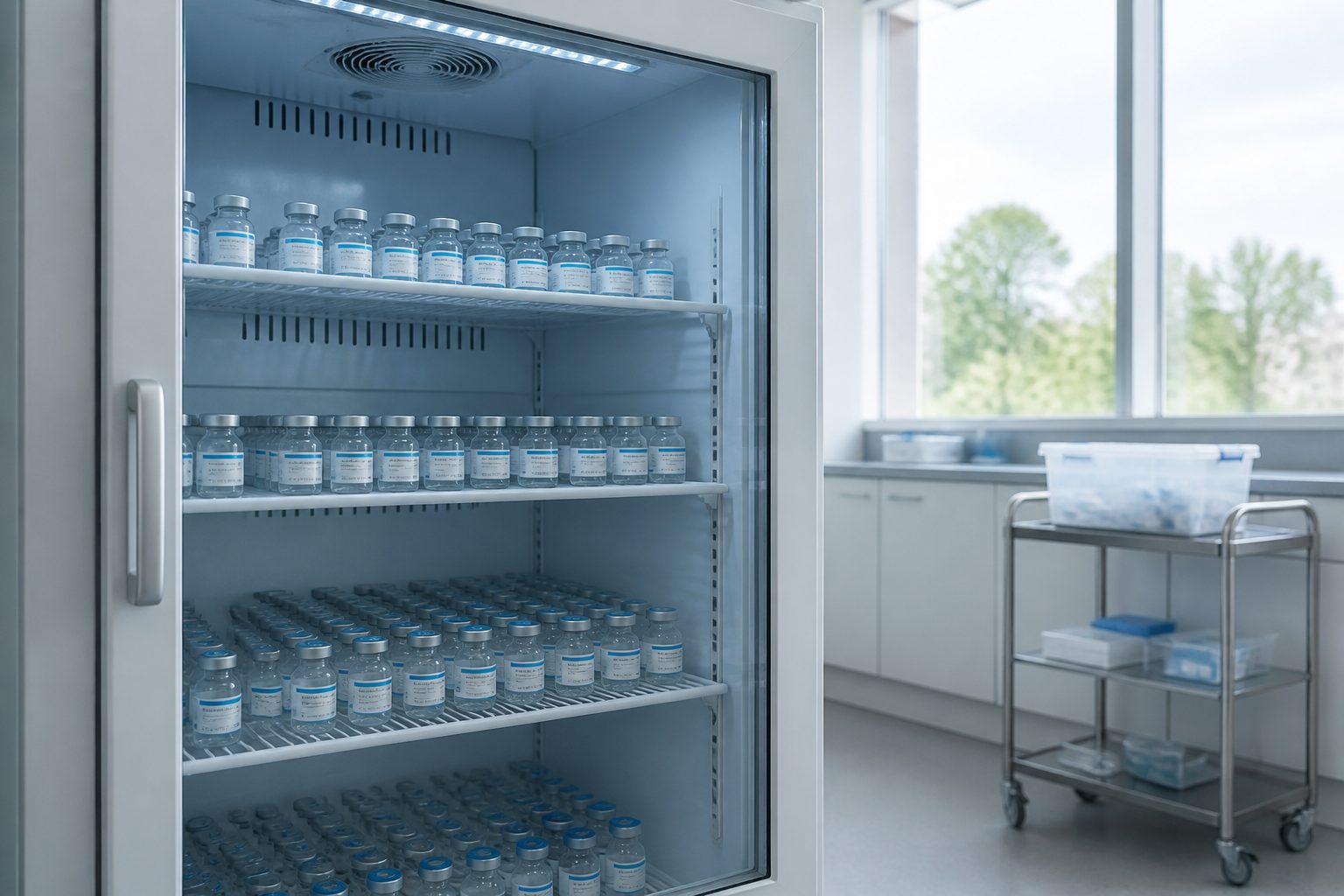
The varicella (chickenpox) vaccine is included in Brazil’s national immunisation programme for children, making it free at public clinics for most families. However, private hospitals and clinics may charge $35–$70 (R$190–380) per dose, plus consultation or administration fees.
This guide explains what parents in Brazil should know about varicella vaccine prices, where to get vaccinated, what’s included in the cost, and how to ensure safe, timely immunisation for your child.
How varicella vaccination works in Brazil
Brazil’s Ministry of Health includes the varicella vaccine in the national immunisation schedule for children. The vaccine is given as part of the MMRV (measles, mumps, rubella, varicella) combination, typically in two doses at 15 months and 4 years old. The vaccine is available free of charge at public health posts (Unidades Básicas de Saúde, UBS) for children who fit the age and health criteria.
For those outside the public programme—such as children who missed doses, older children, or those with private insurance—vaccination is available at private clinics and hospitals for a fee. Many families choose private clinics for flexibility in scheduling, shorter wait times, or specialist paediatric care, especially in major cities such as São Paulo and Rio de Janeiro.
Varicella vaccine cost: public vs private options
The cost of the varicella vaccine in Brazil varies significantly depending on whether you choose to use the public health system or go through private clinics and hospitals. In the public sector, the vaccine is provided completely free of charge to eligible children as part of the Programa Nacional de Imunizações (PNI). This program covers both doses at the recommended ages, and families are not required to pay any fees or have private health insurance. However, to access free vaccination, you must provide proof of eligibility, such as your child’s vaccination card and proof of residence—requirements that help ensure the service is provided to those living within the clinic’s catchment area. Public clinics may also ask for your child’s birth certificate or other identification documents.
If you opt for private vaccination, costs can vary widely based on several factors. The price per dose generally ranges from $35–$70 (R$190–380), depending on the clinic’s location, its reputation, and whether the vaccine is administered as a standalone shot or as part of the MMRV combination. Major cities like São Paulo and Rio de Janeiro often have higher prices, while smaller towns may offer lower rates. In addition to the vaccine itself, many private clinics charge an administration or consultation fee, which can add $10–$30 (R$55–165) per visit. Some clinics include a brief paediatric assessment in the overall cost, while others bill separately for a full doctor’s consultation or additional paperwork, such as issuing a vaccine certificate or updating official records.
- Discounts may be available for families vaccinating multiple children or for those who pay in advance for both doses.
- Some private health insurance plans partially or fully reimburse vaccination costs at accredited clinics—check with your provider before booking.
- Always request a detailed receipt for possible reimbursement and for your personal records.
By comparing the no-cost option at public clinics with the convenience and potential added services of private clinics, families can make an informed decision that fits both their budget and their logistical needs.
What’s included in the price—and what’s not
When considering the varicella vaccine for your child in Brazil, it’s important to understand exactly what you’re paying for and what services might incur additional charges. At public clinics, the cost of vaccination is fully covered for eligible children under the national immunization program. This means that the vaccine itself, the administration by a trained nurse or healthcare professional, and all necessary record-keeping—including updating your child’s vaccination card—are provided at no charge. There are no hidden fees or surprise expenses at public clinics, but you should be prepared for potentially long wait times, as services are offered on a first-come, first-served basis and only during designated hours. Parents may also need to bring identification and proof of residence to confirm eligibility.
Private clinics in Brazil, on the other hand, usually advertise a price that covers the vaccine and its administration. However, the scope of what’s included can vary. Some private facilities offer a brief paediatric assessment before the vaccine is given, but others may charge extra for a full medical consultation, which can add significantly to the overall cost. It’s essential to clarify in advance whether the quoted price includes a doctor’s evaluation, issuance of a vaccine certificate, and any necessary follow-up visits. Additional fees may apply for services such as registration, after-hours appointments, or home vaccination—options that some clinics offer for an added layer of convenience. In some cases, private clinics might also charge for issuing duplicate vaccination cards or for additional administrative paperwork. To avoid unexpected expenses, always ask for a detailed breakdown of charges before scheduling your appointment, and inquire about any potential add-ons that could affect the final bill.
- Public clinics: All standard costs covered; bring required documents; expect set hours and possible wait times.
- Private clinics: Vaccine and administration included; check if doctor’s consultation, certification, and follow-up are extra; ask about registration, after-hours, or home service fees.
Comparing varicella vaccine costs: Brazil and other countries
Brazil’s public sector provides the varicella vaccine free to eligible children, making it one of the more accessible countries for routine childhood immunisation. In the private sector, prices are moderate compared to some high-income countries, but higher than in several neighbouring Latin American countries. The table below compares typical out-of-pocket costs for one dose of the varicella vaccine in Brazil and selected countries. Prices are for private clinics unless otherwise noted.
| Country | Public sector cost | Private sector cost (per dose) | Notes |
|---|---|---|---|
| Brazil | Free | $35–$70 (R$190–380) | Free for children at public clinics; private clinics for others |
| Argentina | Free | $30–$55 (ARS 27,000–49,000) | Public programme covers infants; private clinics for older children |
| United States | Free (if eligible) | $120–$180 | Vaccine free for eligible children (VFC); otherwise private fee |
| India | Not free | $20–$40 (₹1,700–3,400) | Not in public schedule; widely available at private clinics |
| United Kingdom | Not free | $90–$130 (£70–£100) | Not in NHS routine schedule; private clinics only |
| Philippines | Not free | $35–$60 (₱2,000–3,400) | Not in public schedule; private clinics only |
| Indonesia | Not free | $25–$45 (Rp 400,000–700,000) | Not in public schedule; private clinics only |
Hidden costs and common pitfalls
While the varicella vaccine itself may be free or clearly priced, families in Brazil should be aware of several hidden costs and common pitfalls associated with both public and private vaccination. For those using public clinics, the main expense is often not monetary but related to time and logistics. Public health posts can have long lines, especially during peak vaccination periods or campaigns, and you may need to arrive early or wait several hours for your turn. Some clinics require scheduled appointments, which can be difficult to obtain at short notice. Additionally, indirect costs such as transportation to and from the clinic and time taken off work to accompany your child can add up, particularly for families living in areas with limited public transportation or inflexible job schedules.
In private clinics, the risk of unexpected fees is higher. The advertised price may not include all necessary services, such as a mandatory doctor’s consultation, administrative processing, or after-hours surcharges if you need an appointment outside of regular business hours. Home vaccination, offered by some private providers, is a premium service and can significantly increase the overall cost. If your child needs a catch-up vaccination, has missing or incomplete records, or requires a medical assessment due to special health needs, additional charges may apply. Some clinics also charge for issuing duplicate vaccination cards or for translation of records if needed for international travel.
- Always ask for a detailed breakdown of all possible charges before booking a private vaccination appointment.
- Check with your health insurance provider to see if routine childhood vaccines are covered at private clinics—some employer-sponsored plans offer partial or full reimbursement.
- Request an itemized receipt to submit for insurance reimbursement or to keep for your records.
By being proactive—clarifying what’s included, budgeting for indirect costs, and understanding your insurance coverage—you can avoid surprises and ensure your child’s vaccination process is smooth and cost-effective.
How to save on varicella vaccination safely
To minimise costs without compromising your child’s health, use public clinics if your child is eligible and you can manage the wait times. Schedule visits during less busy hours to avoid long queues. For private clinics, compare prices in advance, as costs can vary even within the same city. Some clinics offer package deals for siblings or for booking multiple vaccines together.
If you are considering private vaccination, look for clinics accredited by respected bodies such as the Sociedade Brasileira de Imunizações (SBIm) or those affiliated with major paediatric hospitals. These facilities are more likely to follow cold chain protocols and provide proper documentation. Avoid unreliable sources or unregistered clinics, as improper storage can reduce vaccine effectiveness.
Choosing between public and private vaccination
Deciding whether to vaccinate your child against varicella at a public or private clinic in Brazil involves weighing several practical and financial factors. Public vaccination is generally the best choice for most families, as it is completely free for eligible children under the Programa Nacional de Imunizações (PNI). These clinics use vaccines from government-approved suppliers, ensuring safety and efficacy. However, public clinics often have limited operating hours and can experience high demand, leading to longer wait times. Appointments may be required in some areas, and services are typically available only on specific days of the week, which can make scheduling less flexible for working parents or those with busy routines.
Private clinics offer a different set of advantages. While you’ll pay out of pocket, private facilities usually provide greater convenience, such as more flexible appointment times, shorter wait periods, and the option to schedule vaccinations after normal business hours or even at home in some cities. Private clinics may also offer additional services, such as in-depth consultations with paediatricians, more personalized care, and sometimes a choice of vaccine brands (for example, single-varicella versus combination MMRV vaccines), which are not always available in the public sector. This can be particularly useful if your child has missed a scheduled dose, needs to catch up quickly due to travel, or if you have specific preferences regarding the vaccine formulation.
- Public clinics: Free, safe, and reliable; possible downsides include wait times and less scheduling flexibility.
- Private clinics: Paid, but offer convenience, more appointment options, and sometimes extra medical support; useful for special circumstances or personal preferences.
Regardless of where you choose to vaccinate, always verify that the clinic is reputable and properly licensed. Request a filled and stamped vaccination card after the shot—this document is essential for school enrolment, travel, and future medical care. If you opt for private vaccination, ask for a detailed receipt, especially if you plan to seek reimbursement from health insurance. Balancing the convenience and added services of private clinics against the no-cost, standardized care of public clinics will help you make the best decision for your family’s needs and budget.
Planning your child’s vaccine schedule
Careful planning of your child’s varicella vaccine schedule is crucial to ensure full protection and compliance with Brazilian health regulations. According to Brazil’s official immunization calendar, the first dose of the varicella vaccine is administered at 15 months of age, typically as part of the combined MMRV (measles, mumps, rubella, and varicella) vaccine. The second dose is recommended at 4 years old. Sticking to this schedule helps maximize your child’s immunity and meets requirements for school and daycare enrolment.
If your child has missed a dose or was not vaccinated at the recommended age, don’t worry—catch-up vaccination is available. You should consult your paediatrician or visit your local health post to discuss the best approach for your child’s situation. The catch-up schedule can be tailored based on age and health status, ensuring your child receives the necessary protection as soon as possible. For children with specific medical conditions—such as immune system disorders, those undergoing chemotherapy, or taking immunosuppressive medications—special timing or additional precautions may be required. In these cases, a doctor’s assessment is essential to determine the safest and most effective vaccination plan.
- Keep your child’s vaccination card updated and store it in a safe place. This card is a legal document and is often required for school and daycare registration, as well as for certain travel or health situations.
- If the vaccination card is lost or damaged, contact the clinic where the vaccine was administered. Most clinics keep immunization records for several years and can issue a replacement card.
- Stay informed about changes to the national immunization schedule, as recommendations can evolve based on new research or outbreaks.
By following the official schedule, consulting with healthcare professionals for special cases, and maintaining accurate records, you can ensure your child’s vaccination process is smooth, safe, and compliant with Brazilian health standards.
Frequently asked questions
How many doses of the varicella vaccine does my child need in Brazil?
Brazil’s national schedule calls for two doses: the first at 15 months (with MMRV) and the second at 4 years. If your child missed a dose, catch-up vaccination is available at public or private clinics. Your paediatrician can advise the best timing for your child’s age and health status.
Is the varicella vaccine mandatory for school entry in Brazil?
While not strictly mandatory nationwide, many schools and daycare centres require proof of varicella vaccination as part of routine immunisation records. Having a complete vaccination card helps avoid enrolment issues and protects your child from outbreaks.
Can my child get the varicella vaccine if we missed the recommended age?
Yes, catch-up vaccination is possible at both public and private clinics. The public system typically covers children up to 7 years for missed doses, while private clinics can vaccinate older children and adults for a fee. Consult your paediatrician for individual advice.
Are there side effects or risks with the varicella vaccine?
The varicella vaccine is considered safe and widely used. Common side effects include mild fever or soreness at the injection site. Serious reactions are rare. If your child has a weakened immune system, discuss risks with your doctor before vaccination.
Does private health insurance cover the varicella vaccine in Brazil?
Some private health plans reimburse part or all of the vaccine cost if given at an accredited clinic. Coverage varies by plan, so check with your insurer and ask the clinic for a detailed receipt for reimbursement purposes.
Related guides
Disclaimer: Prices and policies are indicative and may vary by clinic, region, and individual case. Always confirm costs, eligibility, and vaccine availability directly with your provider. Consult a qualified doctor for advice on your child’s vaccination schedule.