
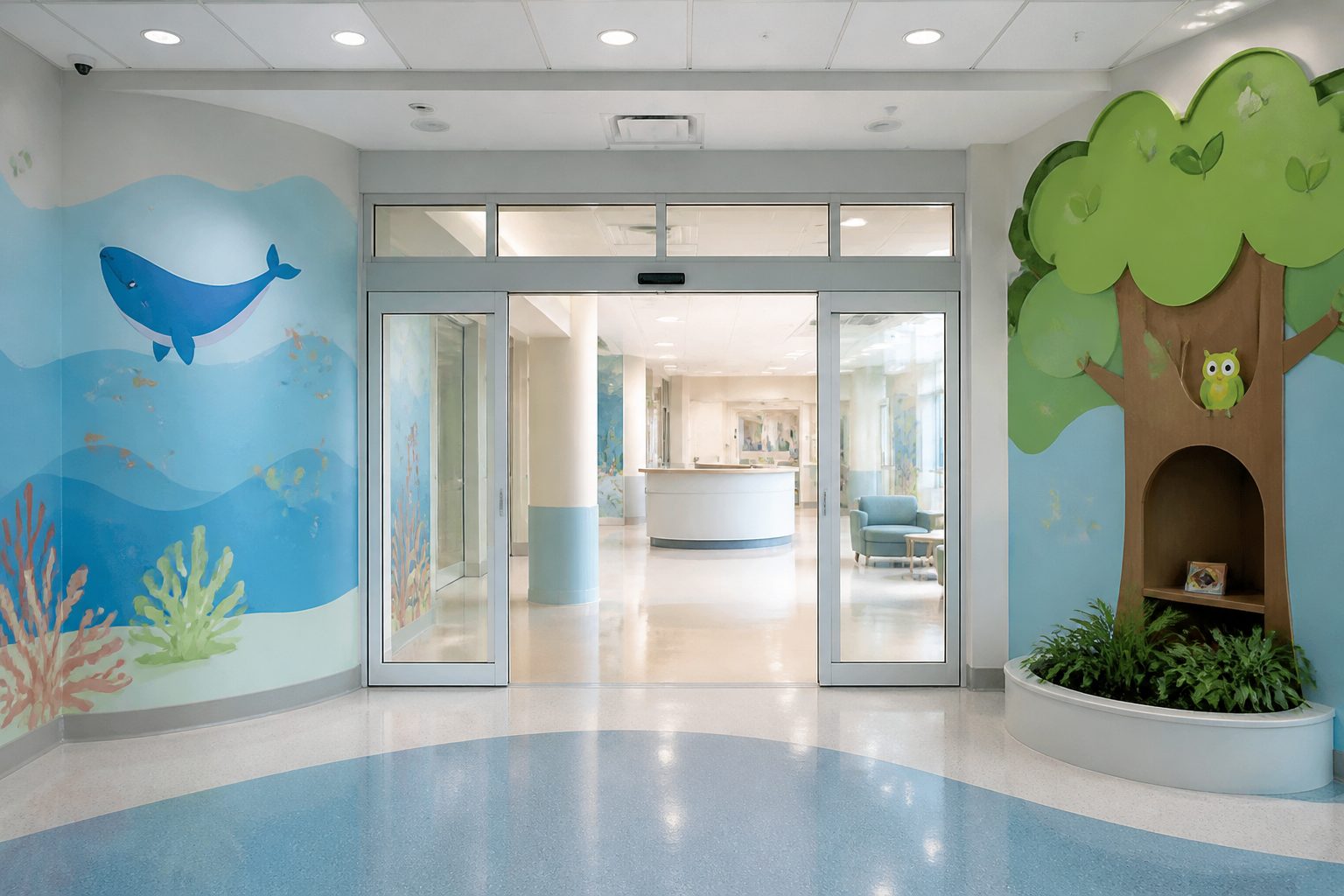
Families seeking cleft lip surgery for babies often compare Turkey and India for their combination of skilled paediatric surgeons, modern hospitals, and affordable prices. On average, cleft lip repair for infants costs $1,800–$3,000 in Turkey and $600–$1,300 in India. Both countries offer specialist paediatric teams and cater to international patients, but there are differences in costs, inclusions, and hospital environments.
This guide explains what parents can expect for cleft lip repair in Turkey and India, typical hospital services, what’s included in the price, potential extra costs, and practical steps to plan safe, successful treatment abroad.
What cleft lip surgery involves for babies
Cleft lip repair for infants is a delicate, highly specialized reconstructive surgery performed to close the gap in the upper lip. This procedure is typically scheduled when the baby is between 3 and 6 months old, once they are healthy enough to tolerate general anaesthesia and their tissues are suitable for repair. The main goals are to restore normal lip function, enable proper feeding and speech development, and achieve a natural appearance.
In both Turkey and India, the surgery is performed in a hospital setting by paediatric plastic or craniofacial surgeons who have extensive experience with cleft conditions. The operation is carried out under general anaesthesia, ensuring the baby is completely unconscious and pain-free during the procedure. The surgical approach is tailored to the specific type and severity of the cleft. Techniques such as the Millard rotation-advancement or Tennison-Randall triangular flap are commonly used, both of which are international gold standards for cleft repair.
The procedure usually takes 1–2 hours, depending on complexity. After surgery, babies are monitored in a paediatric ward or intensive care unit as needed. Most infants stay in hospital for 1–2 nights to ensure stable recovery and to manage pain, feeding, and wound care. Hospitals in Turkey and India adhere to international protocols for newborn screening and preoperative assessment, including blood tests, infection screening, and sometimes cardiac evaluation to ensure the infant can safely undergo anaesthesia.
Postoperative care is crucial for optimal healing and results. Parents receive instructions on wound care, feeding modifications, and signs of complications. Follow-up appointments are scheduled to monitor healing and address any concerns. Both countries’ top hospitals provide family support services, such as lactation consultants or feeding therapists, to help with the transition after surgery. The combination of skilled surgeons, modern techniques, and supportive aftercare ensures that babies in Turkey or India can achieve excellent functional and cosmetic outcomes from cleft lip repair.
Typical cost of cleft lip surgery in Turkey and India
The cost for cleft lip surgery varies depending on hospital reputation, surgeon experience, and what’s included in the package. In Turkey, the average price for cleft lip repair in babies ranges from $1,800 to $3,000. In India, the range is lower—about $600 to $1,300. These figures usually cover the surgical procedure, anaesthesia, operating theatre charges, and a short hospital stay. Some hospitals offer all-inclusive packages for international patients, while others charge separately for each service.
It is important to clarify with the hospital what is included in the quoted price. Some hospitals in both countries may offer discounted or even free surgeries for families in financial need, often supported by charities. However, these programs are not always accessible to international patients.
Cost comparison: Turkey vs. India
| Country | Typical cost (USD) | Local currency | What’s usually included | Extra costs |
|---|---|---|---|---|
| Turkey | $1,800–$3,000 | ₺58,000–₺97,000 | Surgery, surgeon & anaesthesia fees, 1–2 days hospital stay, routine medications | Pre-op tests, extra nights, travel, post-op follow-up |
| India | $600–$1,300 | ₹50,000–₹1.1 lakh | Surgery, surgeon & anaesthesia fees, 1–2 days hospital stay, routine medications | Pre-op tests, extra nights, travel, post-op follow-up |
What is included in the hospital price
When comparing hospital prices for cleft lip surgery in Turkey and India, it’s important to understand exactly what is covered in the quoted package. Most reputable hospitals in both countries offer a bundled price designed to simplify the process for families, but the specifics can vary significantly.
- Surgeon’s fee and anaesthesia charges: This typically covers the cost of the main surgeon, assistant surgeons, and the anaesthesiologist who will manage your baby’s sedation and vital signs during the procedure.
- Operating theatre costs: Use of the operating room, standard surgical instruments, and routine sterilization are usually included.
- Standard surgical supplies: This includes sutures, dressings, and any disposable items required for the procedure.
- 1–2 nights in a paediatric ward or room: Most packages provide for a short hospital stay, often including a bed for one parent to stay with the baby. Some high-end Turkish hospitals may offer private suites, while Indian hospitals may provide basic but comfortable shared or private rooms.
- Routine medications and post-op monitoring: Pain relief, antibiotics, and basic monitoring are standard during the hospital stay.
However, there are often additional costs that may not be included in the package:
- Preoperative assessments: Blood tests, imaging (like ultrasound or X-rays), and specialist consultations are sometimes billed separately, especially if performed before admission.
- Post-discharge care: Follow-up appointments, suture removal, and any additional medications after leaving the hospital are rarely included.
- Complications: If your child requires extra nights in hospital, treatment for infections, or unexpected interventions, these will typically incur extra charges.
In Turkey, packages at private JCI-accredited hospitals are often more comprehensive, sometimes including airport transfers or interpreters. In India, public and charitable hospitals may have lower base costs but fewer extras. Always request a detailed, itemized quote and confirm what is (and isn’t) included before booking, so you can budget accurately and avoid surprise expenses.
Hidden costs and practical expenses
When budgeting for cleft lip surgery abroad, it’s crucial to look beyond the headline surgical fee and consider all the additional expenses that can arise throughout the process. These hidden or practical costs can add up quickly, so thorough planning is essential for families traveling to Turkey or India.
- Initial consultation or assessment fees: Some hospitals charge separately for the first meeting with the surgeon, which may include a physical exam and medical history review.
- Preoperative laboratory tests and imaging: Blood tests, chest X-rays, or other investigations to ensure your baby is fit for surgery may not be included in the package price. These are often required by hospital protocol in both countries.
- Travel costs: Airfare for your baby and accompanying parent(s), airport transfers, and local transportation can vary widely depending on distance, time of year, and the city you choose. Turkey’s main airports in Istanbul and Ankara are well-connected, while India’s major cities have frequent international flights but may require additional domestic travel.
- Accommodation: While some hospitals offer a parent’s bed in the paediatric ward, you may need extra accommodation for other family members or for the recovery period after discharge. Options range from hospital guesthouses to nearby hotels or serviced apartments.
- Meals and daily living costs: Food for the parent(s) and baby, laundry, and other day-to-day expenses can add up, especially during a hospital stay or if you remain in the country for post-op checkups.
- Translation or interpreter services: In Turkey, many private hospitals provide in-house interpreters for English, Arabic, or Russian speakers, but this may cost extra. In India, English is widely spoken in medical settings, but translation for other languages may require hiring outside help.
- Postoperative check-ups or revision surgery: Follow-up visits, suture removal, or additional procedures (if needed) are rarely included in the initial package. If complications arise, such as infection or wound breakdown, extra medical care and possibly a longer stay will increase the total cost.
In Turkey, private hospitals often offer bundled services for international families, including airport pickup, local transportation, or even accommodation deals—but these may be optional add-ons. In India, international patient coordinators are common in larger hospitals and can assist with visa paperwork, travel logistics, and finding child-friendly accommodation. Regardless of the country, always request a comprehensive cost estimate and clarify what is included and what will be billed separately, so you can plan and avoid financial surprises.
How to choose a hospital for paediatric cleft surgery
When selecting a hospital for your baby’s cleft lip repair, consider the following:
- Paediatric expertise: Look for hospitals with a dedicated paediatric surgery department and experienced cleft/craniofacial surgeons.
- Volume and experience: Hospitals treating a high volume of paediatric cleft cases tend to have well-established protocols and better outcomes.
- Accreditation: International accreditations such as JCI (Joint Commission International) in Turkey, or NABH (National Accreditation Board for Hospitals) in India, indicate adherence to global standards.
- Support services: Child-friendly environments, anaesthesia teams specialising in infants, and psychological support for families can improve the treatment experience.
- Cost transparency: Choose hospitals that provide clear, written cost estimates and are willing to answer detailed questions.
It is advisable to ask for surgeon credentials, hospital infection rates, and examples of similar cases treated. Some hospitals may provide before-and-after photos or connect you with previous international patients for reassurance.
Vaccination schedules, screening, and pre-surgery care
Before surgery, babies should be up to date with their vaccination schedule. In both Turkey and India, paediatricians will check immunisation records and may delay elective surgery if the infant has an active infection or is not medically fit. Typical newborn screening tests (such as hearing, metabolic, and cardiac checks) are often performed before surgical clearance.
Parents travelling from overseas should bring medical records, vaccination cards, and a summary of the baby’s health history. Hospitals in both countries will repeat some basic blood work and physical exams to ensure the child is ready for anaesthesia. If your baby has any underlying conditions (such as heart defects, which are more common in children with clefts), additional specialist consultations may be required and could add to the cost.
How to save money safely on cleft lip surgery abroad
Saving money on your baby’s cleft lip surgery abroad is possible without sacrificing safety or quality, but it requires informed choices and careful planning. Here are practical and safe strategies for reducing costs while ensuring the highest standard of care:
- Choose reputable hospitals in major cities: Facilities in cities like Istanbul, Ankara, Mumbai, and Delhi often have better-trained surgeons, modern equipment, and more experience with international patients. Competition in these hubs also keeps prices reasonable, and clinical standards are closely monitored.
- Look for off-peak discounts and charity programs: Some hospitals offer reduced rates during less busy seasons or participate in charity partnerships (such as Smile Train or Operation Smile) that subsidize surgery for eligible families, including some international patients. Always confirm eligibility and availability in advance.
- Book all-inclusive packages: Opt for hospitals that offer comprehensive packages covering hospital stay, surgeon and anaesthetist fees, routine medications, and basic post-op care. This minimizes the risk of unexpected charges and helps you budget more accurately.
- Clarify what’s medically necessary: Ask for a clear explanation of what is essential for your child’s safety and recovery versus optional add-ons or premium upgrades. Declining unnecessary extras—such as luxury accommodation or non-essential investigations—can save substantial amounts.
- Plan travel wisely: Airfares and accommodation costs can fluctuate. Traveling during off-peak periods (outside school holidays or major local festivals) can result in cheaper flights and hotel rates. Consider staying in hospital-affiliated guesthouses, which are often more affordable and child-friendly.
Above all, never compromise on the hospital’s reputation or the surgeon’s experience for the sake of saving money. Verify that the facility is accredited (JCI or NABH for India), the surgeons are qualified in paediatric cleft repairs, and that appropriate paediatric intensive care and aftercare are available. Use hospital reviews, patient testimonials, and international patient coordinators to help assess quality and support before making your choice.
Tips for planning your baby’s cleft lip surgery trip
Planning medical travel for a baby requires careful preparation. Here are practical steps:
- Contact hospitals in advance, send medical records, and request a detailed written quote outlining all expected charges.
- Confirm the hospital’s experience with international paediatric patients and language support for your family.
- Check passport and visa requirements for the chosen country; some hospitals offer visa assistance letters.
- Plan for at least one week in the country to allow pre-op assessment, surgery, and initial recovery.
- Arrange safe, child-friendly accommodation near the hospital for the recovery period.
- Ask about emergency protocols and access to paediatric intensive care if complications arise.
- Consider travel insurance that covers medical procedures and unexpected complications.
Bringing a trusted companion to help care for your baby can ease the stress of travel and recovery. Keep all documents, including medical records, passport copies, and emergency contacts, easily accessible during your trip.
Bottom line: Turkey or India for paediatric cleft lip repair?
When deciding between Turkey and India for paediatric cleft lip repair, several factors come into play beyond just the headline cost. Both countries have established themselves as leading destinations for affordable, high-quality cleft lip surgery, but the experience can differ significantly depending on your priorities.
India is generally the more affordable option, with surgery costs often 30–50% lower than in Turkey. Major cities like Mumbai, Delhi, and Chennai are home to large, internationally accredited hospitals and highly experienced paediatric surgeons. Many Indian hospitals also participate in charity programs or partnerships with NGOs, which can further reduce costs for eligible families. However, navigating the healthcare system in India may require more hands-on coordination, especially around language barriers, local travel, and accommodation arrangements. While English is widely spoken in medical settings, support services for international families can vary in quality and availability.
Turkey, on the other hand, tends to offer a more streamlined and comfortable experience for international families, particularly in private hospitals in Istanbul, Ankara, or Izmir. Many Turkish hospitals hold Joint Commission International (JCI) accreditation, ensuring globally recognized clinical standards and patient safety protocols. Packages for international patients often include airport transfers, on-site interpreters, and dedicated coordinators to assist with logistics and paperwork. While costs are slightly higher than in India, they are still a fraction of what you would pay in the US, UK, or Western Europe. The travel experience is also often smoother, with direct flights from many European and Middle Eastern cities and less complex visa requirements.
Ultimately, the best choice depends on your budget, travel preferences, and the level of support your family needs. Always verify hospital credentials, surgeon experience with paediatric cleft repairs, and request a full breakdown of costs and inclusions before making a decision. Consider the total journey—including travel, accommodation, and aftercare—not just the surgical price tag.
Frequently asked questions
How soon can my baby have cleft lip surgery?
Surgery is usually performed between 3 and 6 months of age, provided the baby is healthy and has gained enough weight. Hospitals in Turkey and India may require a pre-surgical assessment to confirm readiness. Delaying surgery is sometimes necessary if the infant is underweight or has other health issues.
Are the surgeons in Turkey and India qualified to perform cleft lip repair?
Major hospitals in both countries have paediatric surgeons with specialised training in cleft repairs. Look for centres with high case volumes and ask for the surgeon’s credentials. International accreditations and surgeon experience are good indicators of quality.
Will my baby need follow-up visits after surgery?
Yes, follow-up visits are important to monitor healing and address any issues. Most hospitals schedule a post-op check within 5–7 days. If you are travelling home soon after, ask for detailed instructions and arrange for a local paediatrician to provide ongoing care.
Is cleft palate repair included in the same surgery or a separate procedure?
Cleft palate repair is a separate procedure, usually done several months after cleft lip repair. The costs and timing differ. If your baby has both a cleft lip and palate, discuss the treatment plan and costs for each stage with the hospital in advance.
Does health insurance cover cleft lip surgery abroad?
Most international health insurance plans do not cover elective surgery overseas, but some policies may reimburse part of the cost if the surgery is medically necessary. Check with your insurer and ask the hospital if they accept direct billing or provide the documents needed for reimbursement.
Related guides
Disclaimer: Prices in this article are indicative and can vary by hospital, surgeon, and individual case. Always request a detailed written quote and consult a qualified paediatric surgeon before making treatment decisions.