
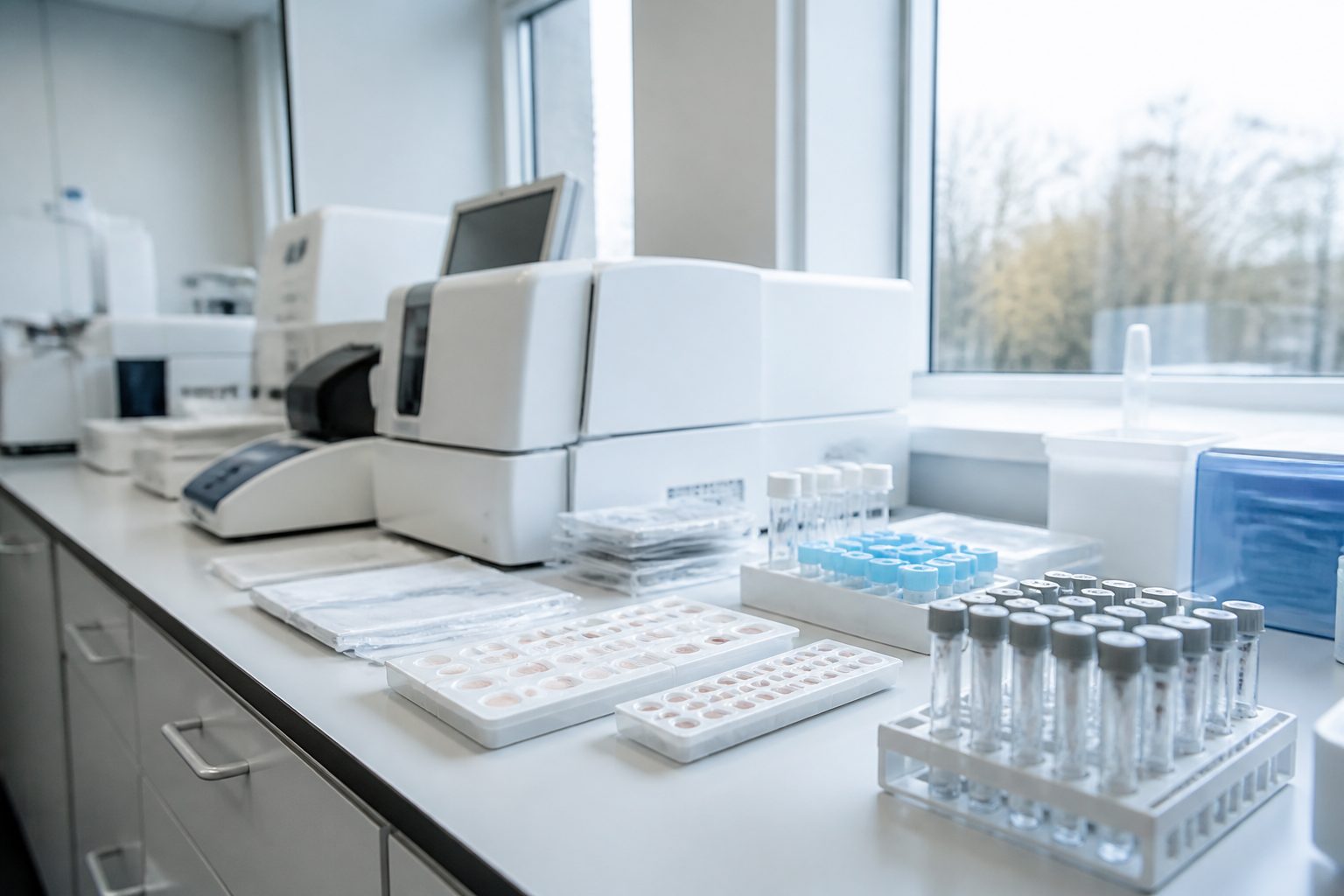
Newborn screening checks for serious but treatable conditions in babies soon after birth. In Singapore, the cost is typically $100–$200, while in Malaysia it is $30–$80. These fees cover the core panel of tests, but extra charges may apply for optional or expanded screening.
This article is for parents in Singapore or Malaysia comparing newborn screening options, coverage, and costs. We outline what’s included, what to expect, and how to plan for any extra expenses.
What is newborn screening and why is it important?
Newborn screening is a preventive health measure that involves testing babies shortly after birth for a range of rare but serious medical conditions. The process typically consists of a simple blood test, collected via a heel prick between 24 and 72 hours after birth. The blood is absorbed onto a special filter paper and sent to a laboratory for analysis. The primary aim is to identify disorders that may not be apparent at birth but can cause severe health problems, developmental delays, or even death if not treated quickly.
The core conditions screened often include metabolic disorders such as phenylketonuria (PKU), hormonal issues like congenital hypothyroidism, and genetic conditions such as G6PD deficiency. In Singapore, the Ministry of Health mandates screening for a select panel of disorders in all public hospitals, with private hospitals often offering expanded panels for an additional fee. Malaysia’s Ministry of Health also recommends newborn screening, but the specific disorders tested and the comprehensiveness of the panel can vary between public and private facilities, and even between regions.
Early detection through newborn screening is critical because many of these conditions may not show symptoms in the first weeks of life. Without screening, a baby with a metabolic or hormonal disorder might appear healthy but could develop irreversible complications if left untreated. For example, early dietary intervention in PKU can prevent intellectual disability, and prompt treatment of congenital hypothyroidism can ensure normal growth and brain development. While the vast majority of babies will not have any of the screened conditions, those who do benefit enormously from early diagnosis and intervention, which can be life-saving and life-changing for families.
Given that technology and resources differ between hospitals, parents should ask about the exact panel offered and consider whether additional, optional tests are appropriate for their family. The peace of mind and potential health benefits provided by newborn screening far outweigh the costs for most families in both Singapore and Malaysia.
What is included in newborn screening in Singapore and Malaysia?
In both countries, the core newborn screening panel covers several key disorders. Singapore’s national programme screens for at least 25 conditions, including congenital hypothyroidism, G6PD deficiency, cystic fibrosis, and various metabolic disorders. Malaysia’s national panel includes congenital hypothyroidism, G6PD deficiency, and phenylketonuria (PKU), with some private hospitals offering expanded panels for an extra fee.
The standard screening process includes collection of the blood sample, laboratory testing, and reporting of results to the hospital or your paediatrician. If a result is abnormal, follow-up testing and specialist referral are arranged. Hearing screening and critical congenital heart disease screening may be offered as separate tests, sometimes included in maternity packages, but are not always part of the basic newborn screening fee.
How much does newborn screening cost?
The cost of newborn screening in Singapore and Malaysia is influenced by several factors, including the type of hospital (public or private), the breadth of the screening panel, and whether additional tests are selected. In Singapore, public hospitals generally charge between $100 and $120 (SGD 135–160) for the basic screening panel. This fee covers the standard set of metabolic, hormonal, and genetic tests recommended by the Ministry of Health. Private hospitals, on the other hand, usually charge more—typically $150 to $200 (SGD 200–270)—especially if you opt for expanded panels or more comprehensive testing. The difference in pricing reflects higher administrative costs, faster turnaround times, and sometimes more advanced technology in private settings.
In Malaysia, the cost is generally lower, with public hospitals charging around $30 to $40 (MYR 140–190) for the basic panel, while private hospitals may charge $60 to $80 (MYR 280–370). Expanded panels or additional metabolic and genetic disorder testing can add another $40 to $100 to your total bill in both countries. These additional tests are optional and may be recommended based on family history or specific medical concerns.
Some hospitals, especially private ones, may bundle newborn screening into larger maternity packages, which can make it harder to see the true cost of the screening itself. Always ask for an itemised bill or breakdown to ensure you are not paying for unnecessary extras. Repeat or confirmatory tests, if needed due to abnormal or inconclusive results, are not included in the initial screening fee and will be billed separately. These costs can range from $50–$200 per test in Singapore and $20–$80 in Malaysia, depending on the complexity of the follow-up required.
It is also important to note that routine newborn screening is rarely covered by private insurance in either country, as it is considered a standard part of newborn care. However, some employer-sponsored health plans in Singapore and Malaysia may offer partial reimbursement, so it is worth checking with your insurer or HR department before delivery. By understanding the cost structure and asking the right questions, you can make informed choices about your baby’s care and avoid unexpected expenses.
Newborn screening costs: Singapore vs Malaysia
| Country | Public Hospital Cost | Private Hospital Cost | Typical Panel Size | Extra/Expanded Panel |
|---|---|---|---|---|
| Singapore | $100–$120 (SGD 135–160) | $150–$200 (SGD 200–270) | 25+ conditions | +$40–$100 |
| Malaysia | $30–$40 (MYR 140–190) | $60–$80 (MYR 280–370) | 3–8 conditions | +$40–$100 |
What is and is not included in the price?
When considering the cost of newborn screening in Singapore and Malaysia, it is crucial to understand exactly what you are paying for, as the breakdown can differ between hospitals and whether you are in the public or private sector. The quoted newborn screening fee almost always covers the essentials:
- Blood sample collection (heel prick): This is the standard method for collecting a small blood sample from your baby, usually within the first few days of life. The cost of the staff time, materials (like lancets and filter paper), and handling is included.
- Laboratory analysis of the standard panel: This includes the testing of blood for a set list of metabolic, hormonal, and genetic disorders. The standard panel typically screens for conditions such as phenylketonuria (PKU), congenital hypothyroidism, and G6PD deficiency, but the exact conditions may vary by hospital and country.
- Reporting of results to your doctor: After analysis, the laboratory sends the results to your baby’s paediatrician or the hospital’s neonatal team, who will then communicate the findings to you.
However, there are important exclusions you should be aware of. The following are not included in the basic fee, and may incur additional charges:
- Expanded or optional panels: Some hospitals offer additional testing for a wider range of metabolic or genetic disorders, such as cystic fibrosis or spinal muscular atrophy. These panels can significantly increase the overall price, particularly in private hospitals.
- Repeat or confirmatory tests: If your baby’s initial results are abnormal or inconclusive, further testing is required to confirm a diagnosis. These repeat tests are typically billed separately, with costs depending on the specific tests needed.
- Specialist consultations or follow-up treatment: Should your newborn require assessment by a paediatric specialist or ongoing care, these consultations and any associated treatments (like special formula or medication) are not part of the screening fee.
- Other newborn tests: Tests such as hearing screening, screening for critical congenital heart disease, or jaundice testing are not included in the newborn screening package and are charged separately.
It is essential to request a detailed breakdown of costs before consenting to any additional tests or expanded panels. In Singapore, public hospitals tend to provide clearer itemisation, while private hospitals may bundle certain services or offer them as optional add-ons. In Malaysia, practices can vary widely, so always clarify with your healthcare provider. Being proactive about understanding what is and isn’t included can help prevent unexpected charges and ensure you are only paying for what you need.
How to save money on newborn screening
Most parents choose the screening programme offered by their delivery hospital, but there are ways to manage costs:
- Check if screening is included in your maternity package at public hospitals; this is sometimes the most affordable option.
- Ask about the exact panel covered—some hospitals offer a basic test by default, with expanded panels as paid add-ons. Decide if you want or need the extra tests.
- If you are delivering in a private hospital, compare the cost and test panel with public hospitals. In some cases, you may request the screening to be done at a public lab for a lower fee, though this may involve extra logistics.
- Check if your employer or supplemental insurance plan covers newborn screening, though this is rare.
- If you need repeat or confirmatory testing, public hospitals generally charge less for these services than private facilities.
Always request a written itemised quote before your baby’s birth, so you know what to expect.
What to expect after the test: results and follow-up
After your baby undergoes newborn screening in Singapore or Malaysia, the waiting period for results typically ranges from 1 to 2 weeks, though the exact timeframe can depend on the hospital’s laboratory capacity and whether the screening was performed at a public or private facility. Public hospitals may batch samples and process them in larger groups, sometimes leading to slightly longer waiting times, while private hospitals often offer a faster turnaround, especially if you have opted for expanded panels.
If your baby’s results fall within the normal range, you will usually be informed at your baby’s next check-up or through a phone call or letter. In the event that the screening detects an abnormality or a possible health issue, your hospital or paediatrician will contact you directly and promptly to arrange further evaluation. It is important to understand that many screening tests are designed to be highly sensitive, which means they can sometimes yield false positives—results that suggest a problem when there is none. This is especially true for rare conditions, where the test is meant to catch every possible case.
If a result is flagged as abnormal, the next step is usually to repeat the screening or to conduct more specific confirmatory tests. These may include additional blood tests or, in some cases, genetic analysis. These follow-up procedures are not part of the initial screening fee and are billed separately. If a diagnosis is confirmed, your baby will be referred to a relevant specialist, such as a paediatric endocrinologist, metabolic specialist, or geneticist. In Singapore, public hospitals offer these specialist consultations at significantly lower costs compared to private hospitals, and may provide access to subsidised treatment plans. In Malaysia, public hospitals also provide more affordable follow-up care, though waiting times for specialist appointments can be longer in the public system.
Treatment for diagnosed conditions varies widely but may include medications, specialised formulas, dietary interventions, or regular monitoring. The costs for these ongoing treatments can add up, so it is wise to discuss the potential financial implications with your healthcare team. Early detection and intervention can be life-saving and prevent long-term complications, making the screening process a crucial first step in your baby’s health journey. Parents should remain calm if called for follow-up, as most flagged results are resolved with further testing, and early care can make a significant difference if a true condition is found.
Choosing where to have newborn screening
For most families, the choice is determined by where the baby is delivered. Both Singapore and Malaysia have reliable national screening programmes in major public hospitals. Private hospitals may offer more comprehensive or international-standard panels, but at a higher price. Key considerations include:
- Accreditation and experience of the hospital laboratory (look for JCI, CAP, or local Ministry of Health accreditations)
- Panel size and whether expanded testing is available or necessary for your family (for example, if you have a family history of certain conditions)
- Turnaround time for results and access to paediatric specialists if follow-up is required
- Cost transparency—request a full quote before agreeing to extra tests
For expatriates or medical travellers, Singapore is sometimes chosen for its larger panel and internationally recognised lab standards, but Malaysia offers a lower-cost basic screening that meets national guidelines.
Hidden costs and practical tips
Beyond the headline price of newborn screening, there are several hidden costs that parents in Singapore and Malaysia should be aware of. One common extra expense arises if the initial blood sample is insufficient or if the results are inconclusive, necessitating a repeat screening. This can happen due to technical issues, such as clotting of the blood sample or improper collection, and repeat tests are typically not covered in the original fee. Additionally, if your baby’s results indicate a possible abnormality, confirmatory tests—often more complex and expensive—will be required. In Singapore, each additional test or specialist consultation can cost between $50 and $200 (SGD), while in Malaysia, the range is generally $20 to $80 (MYR), though private hospitals may charge more.
Optional expanded panels, which test for a broader array of metabolic or genetic disorders, are another potential source of extra cost. These panels are sometimes marketed as providing added peace of mind, but they may not always be medically necessary. Always discuss the necessity and benefits of these expanded panels with your paediatrician before agreeing to them, as the cost can quickly add up—especially in private hospitals where itemised billing is common.
Other potential hidden costs include follow-up appointments with paediatric specialists, additional laboratory work, and, if a diagnosis is made, expenses related to ongoing treatment or medication. Some hospitals may also charge separately for other newborn tests, such as hearing screening or jaundice assessment, which are not part of the standard newborn screening fee.
To manage these potential expenses, take the following practical steps:
- Request a detailed breakdown: Ask your hospital or clinic for a full list of what is included in the screening fee, and clarify which services or tests will incur extra charges.
- Compare public and private options: Public hospitals generally offer more transparent and affordable pricing, while private hospitals may provide faster results but at a premium.
- Clarify billing for follow-up care: Confirm whether follow-up consultations and confirmatory tests will be billed separately, and ask for estimated costs if further testing is needed.
- Discuss expanded panels: Talk with your paediatrician about the pros and cons of expanded screening panels, especially if cost is a concern.
By staying informed and asking the right questions, you can avoid unexpected costs and ensure your baby receives the necessary care without financial surprises.
Frequently asked questions
What happens if my baby’s screening result is abnormal?
Your doctor will contact you for further testing to confirm the diagnosis. Most abnormal results are false positives, but follow-up is important to rule out or detect any serious condition early.
Is newborn screening mandatory in Singapore and Malaysia?
It is highly recommended and routinely performed in public and private hospitals, but not legally mandatory. Parents may opt out, though this is rare and not advised by paediatricians.
Are expanded newborn screening panels worth the extra cost?
Expanded panels test for more rare conditions, but not all are equally relevant for every population. Discuss with your doctor whether your baby might benefit from extra tests based on family history or risk factors.
Does insurance cover newborn screening?
In both countries, routine newborn screening is generally not covered by basic health insurance. Some employer or private plans may reimburse part of the cost, so check your policy details.
How soon will I get the screening results?
Results are usually ready within 1–2 weeks. Abnormal or urgent results are communicated as soon as possible. Always provide current contact details to your hospital or paediatrician.
Related guides
Disclaimer: Prices listed are indicative and may vary depending on hospital, region, and individual medical circumstances. Always request a written quote and consult a qualified doctor for advice tailored to your child’s needs.