
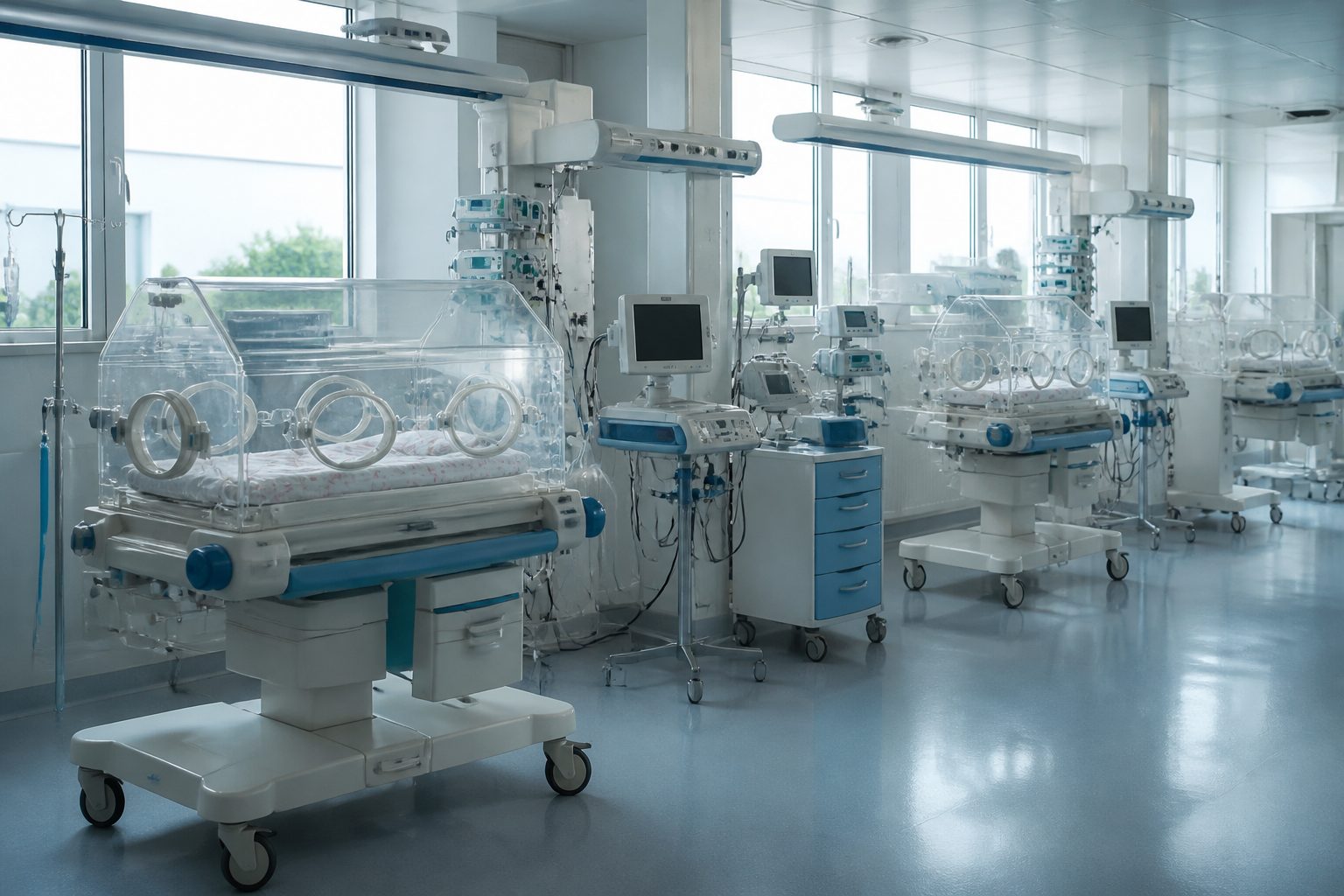
Parents facing a newborn’s admission to a neonatal intensive care unit (NICU) in Nigeria are often concerned about both the standard of care and the financial impact. NICU costs in Nigeria typically range from $100 to $500 (₦150,000–₦750,000) per day, depending on the hospital and the baby’s needs.
This guide explains what NICU care involves, how much it can cost, what insurance or government schemes may cover, and practical steps for families to take when budgeting for newborn intensive care in Nigeria.
What neonatal intensive care includes in Nigeria
Neonatal intensive care in Nigeria is designed to provide specialized, life-saving support for newborns facing serious health challenges. The most common reasons for NICU admission include prematurity, low birth weight, respiratory distress, infections, birth asphyxia, and congenital anomalies. NICUs are primarily found in major public teaching hospitals (such as Lagos University Teaching Hospital and University College Hospital Ibadan), some private hospitals, and a few specialist paediatric centres across the country.
The standard of care and available technology can vary significantly between facilities. However, most leading hospitals offer a core set of services, including:
- Incubators and radiant warmers: These help regulate a newborn’s body temperature, which is crucial for premature or low-birth-weight babies who cannot maintain warmth independently.
- Respiratory support: Oxygen therapy is standard, and some units have access to mechanical ventilators or CPAP machines for babies with severe breathing difficulties. The availability of advanced respiratory equipment is more common in tertiary and private hospitals.
- Continuous monitoring: Vital signs such as heart rate, oxygen saturation, and blood pressure are tracked using monitors, enabling rapid response to any changes in the baby’s condition.
- Phototherapy: Used to treat newborn jaundice, which is a frequent issue in the first days of life.
- Specialized feeding support: Babies unable to feed by mouth may receive IV fluids, tube feeding (nasogastric or orogastric), or, in rare cases, parenteral nutrition. Access to breast milk or donor milk is encouraged where possible.
- Infection control protocols: NICUs enforce strict hygiene measures to prevent life-threatening infections, including hand hygiene, sterilization of equipment, and visitor restrictions.
- Expert staff: Care is delivered by paediatricians, neonatologists, and nurses with specialized training in neonatal medicine. Social workers and lactation consultants may also be available in some centres.
In addition, some high-end private hospitals and a few advanced public centres offer:
- Advanced imaging (ultrasound, MRI, CT scans for complex diagnoses)
- Paediatric surgery (for congenital malformations or emergency interventions)
- Access to sub-specialists (such as paediatric cardiologists, neurologists, and ophthalmologists)
- More sophisticated life-support measures, such as total parenteral nutrition or advanced ventilators
However, these advanced services are less common and usually come at a higher cost, often available only in major cities or private hospitals. When choosing a facility, it’s important to ask about the specific services available, staff qualifications, and protocols for emergencies or transfers. Understanding the scope of care provided will help you make informed decisions and advocate effectively for your baby’s needs.
Typical NICU costs in Nigeria
The cost of neonatal intensive care in Nigeria can be significant and varies greatly depending on a range of factors. Understanding these cost drivers will help you plan and avoid unexpected expenses. The primary determinants of NICU costs include the type of hospital (public or private), the level of intensive care required, the length of your baby’s stay, and the specific treatments or interventions needed.
- Public teaching hospitals: These are generally more affordable, with daily charges ranging from $100–$200 (₦150,000–₦300,000) per day. Examples include University College Hospital (UCH) in Ibadan, Lagos University Teaching Hospital (LUTH), and National Hospital Abuja. These rates typically cover the NICU bed, basic nursing, and standard monitoring, but the availability of advanced treatments may be limited and waiting lists can be long.
- Private hospitals: Private facilities often provide faster access and more amenities but at a higher cost, usually $250–$500 (₦375,000–₦750,000) per day. High-end hospitals in Lagos, Abuja, and Port Harcourt may charge even more for specialized care and private rooms. These hospitals may also have international accreditation and more advanced medical technology.
It is important to note that these daily rates often do not include additional, potentially costly services such as:
- Medications and specialized treatments (e.g., surfactant for premature lungs, blood transfusions, intravenous antibiotics)
- Consultations with specialists (cardiologists, neurologists, ophthalmologists)
- Surgical procedures (for congenital anomalies or emergency interventions)
- Advanced imaging (such as MRI or CT scans, which are rarely included in the base rate and can cost several hundred dollars per scan)
- Laboratory tests (routine blood work, cultures, metabolic screening)
- Consumables (IV lines, syringes, feeding tubes, disposable diapers, and other supplies)
- Emergency transport (ambulance or incubator transfer, which may be necessary if your baby requires a higher level of care at another facility)
Families are often billed separately for these extra services, which can quickly add up, especially if the baby’s stay is prolonged or complications arise. For example, a week-long stay for a premature infant requiring ventilation and multiple specialist reviews can easily exceed ₦2,000,000 in a private hospital. Always request a detailed, itemized bill from the hospital’s billing office and clarify what is included in the quoted daily rate. If you have health insurance, check which costs are covered and what your out-of-pocket expenses will be. Being proactive in understanding the full scope of potential charges can help you plan financially and avoid surprises during a stressful time.
Comparison of NICU costs in Nigeria and other countries
| Country | Average NICU cost per day | Typical inclusions | Common exclusions |
|---|---|---|---|
| Nigeria | $100–$500 (₦150,000–₦750,000) | Bed, nursing care, basic monitoring | Medications, specialist consults, advanced imaging |
| South Africa | $400–$1,000 (ZAR 7,600–19,000) | Bed, nursing, routine tests, basic meds | Complex surgery, long-term ventilation |
| India | $120–$500 (₹10,000–42,000) | Bed, routine monitoring, basic drugs | Major surgery, rare drugs, extended stays |
| United States | $3,000–$10,000 | Comprehensive care, most treatments | Few, but bills are often itemized |
| United Kingdom | Free (NHS) | All standard and advanced NICU care | Private rooms or special requests |
| UAE | $1,500–$4,000 (AED 5,500–15,000) | Bed, nursing, medications, monitoring | Complex surgery, extended stays |
| Ghana | $80–$200 (₵960–2,400) | Bed, basic care, routine drugs | Specialist care, advanced imaging |
| Kenya | $80–$300 (KSh 12,000–45,000) | Bed, basic monitoring, oxygen | Surgeries, advanced diagnostics |
What insurance and government schemes cover
Most public hospitals in Nigeria do not offer free NICU care unless the family qualifies for specific government aid programs. The National Health Insurance Scheme (NHIS) covers some maternal and child health services, but NICU coverage is often limited. Parents with private health insurance should check their policy for neonatal coverage, as many plans have exclusions or caps on NICU stay and related treatments.
Key points for parents:
- NHIS may cover basic NICU care in public hospitals, but out-of-pocket payments for drugs, diagnostics, or surgery are common.
- Private insurance often requires pre-authorization for NICU admission and may not cover all costs (e.g., medications, specialist fees, long stays).
- Employer health plans may offer better coverage; ask HR for policy documents and limits.
- Some state governments have maternal and child health subsidy schemes. Ask the hospital social worker about eligibility and how to apply.
Always get written confirmation of what your insurance or subsidy covers before admission, and keep records of all payments and receipts.
Common extra and hidden costs
Beyond the basic daily NICU rate, families in Nigeria often encounter a variety of extra and sometimes unexpected expenses. These additional charges can have a significant impact on the total cost of care and may not be immediately apparent during admission. Understanding these potential costs can help you plan more effectively and avoid financial surprises.
- Medications: Life-saving drugs such as antibiotics, surfactant for premature lungs, anticonvulsants, and specialized formulations are often billed separately. The cost can be especially high if the medication is imported, in short supply, or not covered by insurance. Some drugs may need to be purchased outside the hospital if unavailable in-house, adding to the logistical burden.
- Laboratory tests: Routine blood tests, cultures, metabolic and infection screenings are essential for monitoring a sick newborn. Each test is typically billed individually, and repeated testing over a prolonged stay can quickly accumulate significant charges.
- Specialist consultations: If your baby requires input from paediatric surgeons, cardiologists, ophthalmologists, or neurologists, these reviews are usually billed separately. In some hospitals, you may need to pay consultation fees directly to the specialist, especially in private facilities.
- Imaging: Diagnostic procedures such as X-rays, ultrasounds, CT scans, or MRIs are rarely included in the standard NICU fee. Each imaging study can cost thousands to tens of thousands of naira, depending on the complexity and facility.
- Consumables: Daily use items such as syringes, IV fluids, feeding tubes, disposable diapers, and other single-use equipment are often charged per item or as a separate consumables fee. The cost can be substantial, especially for prolonged or complicated stays.
- Emergency transport: If your baby needs to be transferred to another hospital for more advanced care or specialist intervention, ambulance or incubator transport fees apply. These costs can be high, particularly for long distances or if specialized neonatal transport teams are required.
- Parental accommodation: Some hospitals provide limited space for mothers to stay close to their babies, but this may be charged separately or not available at all, especially in crowded public facilities. Private hospitals may offer more comfortable accommodation options, but at a premium.
Other hidden costs can include administrative fees, costs for medical records, and sometimes unofficial payments in under-resourced settings. To avoid surprises, always request an itemized estimate before admission and clarify with the billing office exactly which services and supplies are included in the quoted rate. If you have insurance, confirm in advance what is covered and what you will need to pay out-of-pocket. Being proactive about understanding all potential expenses can help you budget appropriately and focus on your baby’s recovery.
How to save on NICU costs safely
While NICU care can be expensive, there are ways parents can manage costs without compromising their baby’s safety:
- Choose a public teaching hospital or government facility with a reputable paediatric unit if possible. These often offer lower rates and access to trained specialists.
- Ask the hospital if they have a social work department or charity fund that can assist with bills, especially for low-income families.
- Review your insurance policy and clarify the pre-authorization process. Submit all required documents early to avoid delays or denials.
- Request generic medications where appropriate, as these are usually less expensive than branded drugs.
- Keep copies of all bills, prescriptions, and receipts; these may be needed for claims or for applying for financial aid.
- If a transfer to a private hospital is suggested, ask if it is medically necessary or if similar care is available in a public facility.
Never compromise on essential care or discharge your baby early to save costs. Discuss financial concerns openly with the neonatal team and hospital administration.
Choosing the right hospital for NICU care
Selecting the most suitable hospital for neonatal intensive care in Nigeria is a crucial decision that can impact your baby’s outcome, your family’s experience, and the overall cost of care. There are several important factors to consider when making this choice:
- Level of NICU: Not all hospitals are equipped to provide the same level of neonatal care. Tertiary teaching hospitals and some large private hospitals have higher-level NICUs with advanced equipment, such as mechanical ventilators, incubators, and specialized monitoring. These facilities are more likely to handle complex cases, extremely premature infants, or babies with multiple health challenges.
- Accreditation: Look for hospitals with official accreditation from the Medical and Dental Council of Nigeria (MDCN), which ensures a minimum standard of care and qualified staff. Some private hospitals may also have international accreditation, such as from the Joint Commission International (JCI), indicating adherence to global best practices.
- Paediatric expertise: Hospitals affiliated with universities or those with established paediatric departments are more likely to have experienced neonatologists, paediatricians, and specialized nurses. These institutions may also have access to a wider range of consultants, therapists, and support staff, improving the quality of care for complicated cases.
- Location: Proximity to your home can reduce transportation costs, minimize travel stress, and allow for more frequent parental visits, which are vital for bonding and breastfeeding. However, if your baby requires advanced interventions not available locally, referral to a major centre in Lagos, Abuja, or another large city may be necessary, potentially increasing costs and logistical complexity.
- Support services: Ask about the availability of lactation consultants, parental accommodation (such as mother-and-baby units), psychosocial support, and financial counseling. These services can make a significant difference in your family’s ability to cope with the emotional and financial challenges of a NICU stay.
It is essential to speak with your obstetrician or paediatrician early—preferably before delivery—about which hospitals they recommend based on your baby’s risk factors, anticipated needs, and your financial situation. Request a tour of potential NICUs if possible, and ask about infection control measures, visiting policies, and emergency transfer protocols. Inquire about the hospital’s experience with your baby’s specific condition and whether they have handled similar cases successfully. Comparing costs, available services, and staff expertise will help you make an informed, confident choice for your newborn’s care.
Planning for discharge and follow-up care
Preparing for your baby’s discharge from the NICU in Nigeria is a critical step that requires thoughtful planning, as ongoing medical and developmental needs often continue after leaving the hospital. Most NICU graduates will need structured follow-up to monitor their health and ensure optimal growth and development. This process typically involves several components:
- Regular paediatric check-ups and growth monitoring: Scheduled visits to a paediatrician or neonatologist to track your baby’s weight, length, head circumference, and general development. These appointments may be weekly or monthly at first, then spaced out as your baby grows stronger.
- Immunizations and routine health screening: Preterm or medically fragile infants may have altered immunization schedules. It is important to clarify with your healthcare provider when and where to receive vaccines. Additionally, screening for hearing, vision, and metabolic conditions is often recommended.
- Specialist reviews: Babies with complications such as retinopathy of prematurity, congenital heart defects, or neurological issues will require follow-up by relevant specialists (e.g., ophthalmologists, cardiologists, neurologists). These visits can be at public clinics or private practices, and costs can vary widely depending on the hospital and specialist involved.
- Physical therapy or early intervention services: If your baby shows signs of developmental delay, referrals for physiotherapy, occupational therapy, or speech therapy may be made. In Nigeria, some teaching hospitals offer these services at subsidized rates, while private therapy can be more expensive.
Before discharge, ask the NICU staff for a comprehensive, written discharge plan. This should include:
- A complete list of medications, dosages, and administration instructions
- A schedule of follow-up appointments with contact details for each provider
- Guidelines for feeding, bathing, and general care at home
- Clear instructions on warning signs of illness or complications that require urgent medical attention, such as breathing difficulties, poor feeding, jaundice, or fever
Some public hospitals, such as teaching hospitals in Lagos and Abuja, offer low-cost or free follow-up clinics specifically for NICU graduates. If you are using a private hospital, inquire about post-discharge support and whether these services are included in your initial fees. It is also advisable to keep all medical records and receipts organized, as they may be needed for future care or insurance claims. Proactive planning, clear communication with your care team, and a solid understanding of your baby’s needs will help ease the transition from hospital to home and support your child’s healthy development.
Frequently asked questions
How long do babies usually stay in the NICU in Nigeria?
The length of stay varies greatly, from a few days for mild problems to several weeks for premature or critically ill babies. The average is 7–21 days, but some may need longer care.
Are parents allowed to visit their babies in the NICU?
Most Nigerian hospitals allow parents to visit, but visiting hours may be limited, especially during infection outbreaks. Some private hospitals offer more flexible visiting policies.
Can health insurance fully cover NICU costs in Nigeria?
It is rare for insurance to cover all NICU costs. Many policies exclude certain treatments, have daily or total caps, or require co-payments. Always check your policy details before admission.
What should I bring to the hospital if my baby is admitted to the NICU?
Bring your baby’s birth documents, insurance card (if any), personal identification, and any referral letters. Some hospitals may ask parents to supply diapers or baby clothing, but most care is provided by the unit.
What if I cannot afford the NICU bills?
Speak with the hospital’s social work department or financial office. Some hospitals have charity funds, and certain NGOs or religious organizations may help families in need. Do not delay seeking care due to cost concerns.
Related guides
Disclaimer: Prices and coverage details are indicative and vary by hospital, case complexity, and insurance policy. Always request a written quote and consult a qualified doctor for specific medical advice and up-to-date costs.