
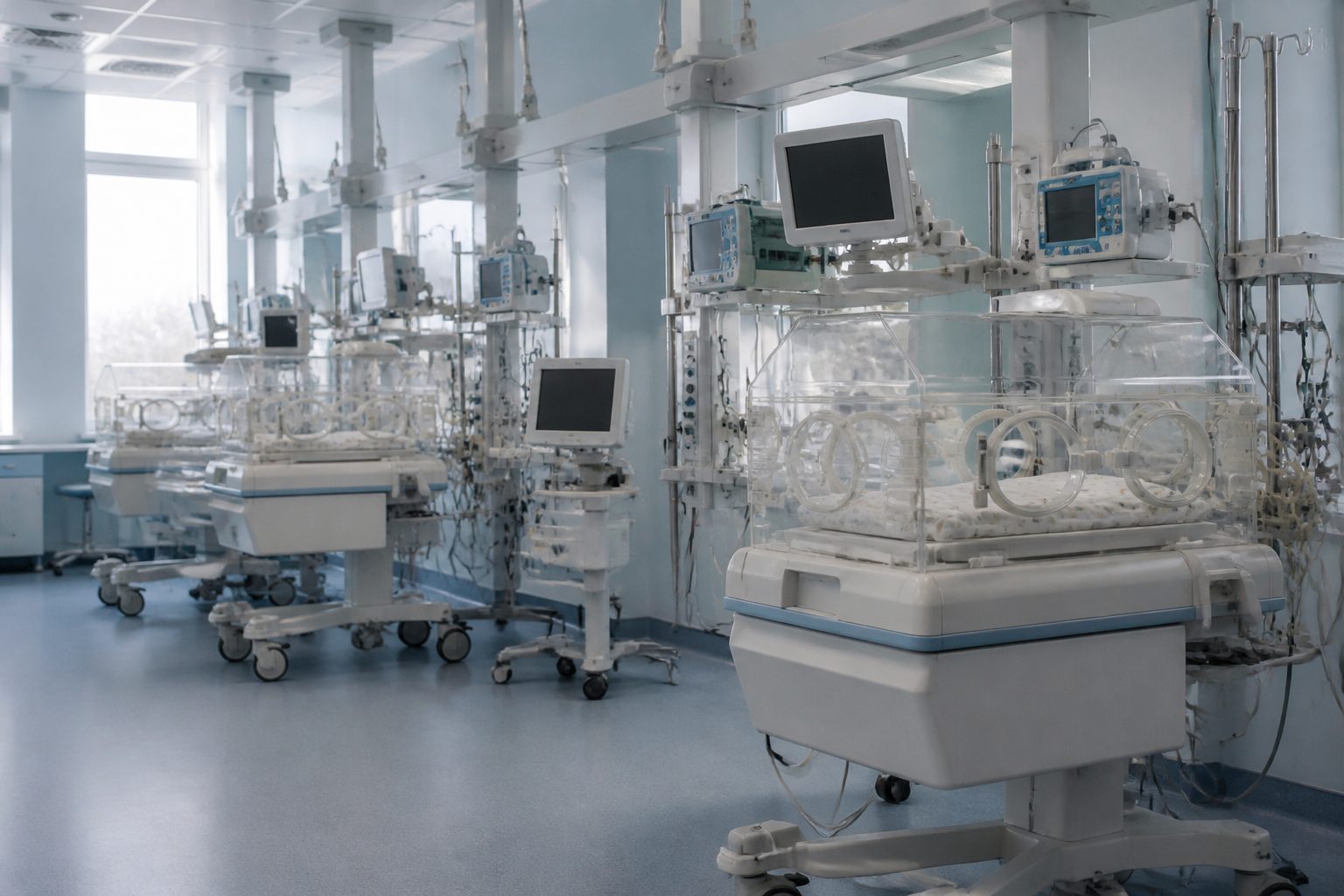
This guide is for parents and families seeking neonatal sepsis care for newborns in Bangladesh. At major private hospitals, expect costs between $1,200 and $4,000 (৳130,000–৳440,000), including ICU stay, antibiotics, and monitoring.
We explain what this covers, what extra fees you may face, and how costs compare across leading hospitals. This information is for families planning care in Bangladesh or comparing options across South Asia.
What is neonatal sepsis and who needs care?
Neonatal sepsis is a life-threatening condition that occurs when a newborn baby develops a severe infection in their bloodstream, typically within the first 28 days of life. The infection can be caused by bacteria such as Escherichia coli or Group B Streptococcus, as well as certain viruses or fungi. In Bangladesh, neonatal sepsis remains a major cause of infant mortality and is one of the most frequent reasons for emergency admissions to neonatal intensive care units (NICUs), both in public and private hospitals.
Infants at greatest risk include those born prematurely (before 37 weeks gestation), with low birth weight (under 2.5 kg), or following complicated or prolonged deliveries, which are common in rural and resource-limited settings. Babies born in environments with poor hygiene or lacking skilled birth attendants are also at elevated risk. Early-onset sepsis (within 72 hours of birth) is often linked to maternal infections or complications during labor, while late-onset sepsis (after 72 hours) can result from hospital-acquired infections or community exposure.
Key warning signs include persistent fever or hypothermia, difficulty feeding, rapid or labored breathing, jaundice, poor muscle tone, or unusual sleepiness and lethargy. In Bangladesh, where access to advanced neonatal care can be limited outside major urban centers, prompt recognition and referral are vital. Immediate hospital-based treatment usually involves intravenous antibiotics, supportive care, and intensive monitoring. Without timely intervention, neonatal sepsis can rapidly progress to septic shock, organ failure, and death, underscoring the importance of early diagnosis and aggressive management for all at-risk newborns.
What does the typical cost include?
In Bangladesh, the typical cost for neonatal sepsis care encompasses a range of essential services and interventions, designed to address both the immediate infection and the complex needs of a vulnerable newborn. Most private hospitals bundle these services into a daily NICU charge, but the total cost is heavily influenced by the severity of the infection, the baby’s birth weight, and the duration of hospital stay.
- Initial assessment and NICU admission: This covers the costs of physical examination, laboratory tests to confirm sepsis (including blood, urine, and cerebrospinal fluid cultures), and the administrative process of admitting the baby to intensive care.
- Continuous monitoring: Vital signs such as heart rate, oxygen saturation, respiratory rate, and temperature are tracked around the clock using specialized equipment. This monitoring is critical for detecting rapid changes in the baby’s condition.
- Antibiotic and supportive therapy: Broad-spectrum intravenous antibiotics are started immediately, often before culture results are available. In severe or resistant cases, antivirals or antifungals may be added, though these can incur extra charges. Supportive care includes intravenous fluids, electrolytes, and sometimes parenteral nutrition for babies unable to feed.
- Phototherapy and other interventions: Jaundice is common in sick newborns, so phototherapy may be included if required. Other supportive measures, such as oxygen therapy or blood sugar management, are typically part of the NICU package.
- Daily medical supervision: Regular visits by neonatologists and paediatricians, along with input from nursing staff, are included to ensure rapid response to any deterioration or complications.
- Consumables and basic nursing care: This covers the cost of syringes, IV lines, dressings, and other disposable supplies, as well as routine nursing interventions such as feeding tube insertion or suctioning.
The length of stay is the largest cost determinant: mild cases may be discharged after 5–7 days, while severe sepsis or complications in premature infants can require 2–3 weeks—or even longer—of intensive care. In public hospitals, costs are lower but resource limitations may affect the availability of some services. In private hospitals, the daily NICU rate may range from several thousand to tens of thousands of Bangladeshi Taka, depending on the facility’s reputation, location, and level of technology. Parents should always request a detailed breakdown of what is included in the quoted price and clarify any potential extra charges before admission.
Cost comparison: Bangladesh and other countries
Bangladesh offers one of the most affordable options for neonatal sepsis care in South Asia, especially compared to private hospitals in India or developed countries. The following table compares typical costs for a 7–10 day NICU admission for neonatal sepsis in several countries. These estimates are for private hospitals, and include room, monitoring, medication, and standard investigations. They do not include rare complications or major surgery.
| Country | Typical cost (USD) | Local currency | Notes |
|---|---|---|---|
| Bangladesh | $1,200–$4,000 | ৳130,000–৳440,000 | Leading private hospitals, 7–14 days |
| India | $2,000–$7,000 | ₹1.7–5.8 lakh | Tertiary private hospitals, 7–14 days |
| Pakistan | $1,500–$5,000 | ₨430,000–1.4 million | Major private hospitals |
| Philippines | $3,000–$10,000 | ₱170,000–₱570,000 | Private hospitals, 7–14 days |
| Indonesia | $2,500–$8,000 | Rp 40–128 million | Private hospitals, 7–14 days |
| United States | $15,000–$50,000 | USD | Without insurance, 7–10 days |
| United Kingdom | $0 (NHS), $12,000–$30,000 (private) | GBP | NHS covers UK residents, private for others |
| UAE | $7,000–$20,000 | AED 25,700–73,500 | Private hospitals |
What is not included in the base price?
Although most hospitals in Bangladesh charge a daily rate for NICU care that covers routine monitoring, nursing, and basic medications, there are several significant exclusions and additional charges that families need to be aware of. These extra costs can substantially increase the overall bill, particularly for complicated or prolonged cases of neonatal sepsis.
- Advanced imaging: If your baby requires diagnostic tests such as MRI or CT scans to investigate neurological or organ complications, these are nearly always billed separately and can be expensive, especially in private hospitals where such technology is available.
- Specialist consultations: Referrals to paediatric cardiologists, neurologists, or surgeons for complex cases are often charged as extra, with fees varying by specialist and hospital tier.
- Surgical procedures: In rare cases where sepsis leads to complications like abscesses or bowel perforation, surgical intervention is needed. These procedures come with separate operating theatre, anesthesia, and surgeon fees.
- Extra or non-standard medications: While basic antibiotics are included, drugs such as antifungals, immunoglobulins, or antivirals are usually not and can cost thousands of Bangladeshi Taka per dose.
- Blood transfusions: If your newborn becomes anemic or develops clotting problems, transfusions are required and are always an additional cost.
- Ventilator use: Mechanical ventilation, if needed, may incur a daily surcharge, particularly in private facilities, and the cost can quickly add up over a prolonged stay.
- Extended NICU stay: If your baby needs to stay longer than the average duration (often 7–10 days), extra days are billed at the standard or sometimes higher rate.
To avoid unexpected expenses, parents should request a detailed, itemised estimate before admission and clarify which services are included in the base price. Some hospitals offer package deals for straightforward cases, but these typically exclude complications, extra procedures, or prolonged stays. Discussing the potential for additional costs with the attending paediatrician or hospital billing office is a practical step to prevent financial surprises during a stressful time.
Hidden and indirect costs to consider
When budgeting for neonatal sepsis care in Bangladesh, families must look beyond the direct hospital bill to account for a range of hidden and indirect expenses that can significantly impact their finances. These costs are often overlooked during the initial planning but can add up quickly, especially for families coming from rural areas or those without health insurance.
- Travel and accommodation: Many families must travel long distances to reach tertiary hospitals in cities like Dhaka or Chittagong. Transport costs, whether by bus, train, or ambulance, can be substantial. Once in the city, parents often need to pay for hotels, guesthouses, or temporary rentals, as hospital accommodation for families is rarely available or is very basic.
- Meals and daily living expenses: Parents or caregivers staying near the hospital must cover daily food and personal expenses. Over a 1–3 week NICU stay, these costs can rival the medical bills themselves, particularly in urban centers where food and services are more expensive.
- Follow-up care: After discharge, newborns recovering from sepsis require regular follow-up visits, laboratory tests, and medications, which are not included in the initial hospital bill. Some infants need ongoing therapies or specialist consultations, especially if complications arise.
- Out-of-pocket payments for extra services: Some diagnostic tests, consultations, or medications may not be covered by the base NICU fee, requiring additional payments at the time of service.
- Potential readmissions: If the baby experiences complications or relapses, further hospital stays and treatments may be necessary, resulting in new costs each time.
Some private hospitals may offer discounts on follow-up visits, or include the first checkup post-discharge in their NICU packages, but this is not universal and should be confirmed in advance. For families with health insurance, it is crucial to check whether neonatal intensive care and associated services are covered, as many basic plans exclude such high-cost treatments. Obtaining pre-authorisation from the insurer and keeping detailed records of all expenses can help with reimbursement claims. Planning for these indirect costs is essential for families to avoid financial strain during and after their child’s treatment.
How to save on neonatal sepsis care safely
While cost is a major concern, choosing a NICU with full capabilities and experienced staff is essential. Here are safe ways to manage costs:
- Request a written, itemised estimate from the hospital before admission
- Ask about package rates and what is excluded
- Consider reputable charitable or teaching hospitals, which may offer lower rates for similar care
- If you have insurance, check coverage and any requirements for direct billing
- For planned deliveries, pre-register and discuss emergency protocols in advance
- If your baby is stable after initial treatment, discuss with doctors whether step-down care in a less intensive setting is possible
Do not compromise on infection control, qualified paediatricians, or 24-hour NICU staffing to save money. Inadequate care for sepsis can have lifelong consequences.
What to look for in a hospital
Choosing the right hospital for neonatal sepsis care in Bangladesh is a critical decision that can influence both clinical outcomes and financial burden. There are several important factors to consider to ensure your newborn receives the best possible care:
- NICU facilities and equipment: The hospital should have a dedicated, fully equipped NICU with advanced monitoring devices, ventilators, infusion pumps, and facilities for infection control. The presence of isolation rooms for infectious cases is a significant advantage.
- Qualified staff: Board-certified neonatologists and paediatricians must be available on-site 24/7. Experienced NICU nurses and access to supporting specialists (such as paediatric surgeons, neurologists, and cardiologists) are essential for managing complications.
- Experience with complex cases: Hospitals with a track record of treating premature infants and severe neonatal infections are better equipped to handle unexpected complications and provide comprehensive care.
- Accreditation and affiliations: Look for hospitals accredited by national or international bodies such as NABH (National Accreditation Board for Hospitals) or JCI (Joint Commission International), or those affiliated with teaching institutions, as these often indicate higher standards of care and safety.
- Transparent communication: The hospital should provide clear, regular updates about your baby’s condition, treatment plans, and estimated costs. A dedicated case manager or liaison can make this process smoother.
- Family support services: Access to lactation consultants, social workers, and psychological support can help families cope with the stress of a NICU admission. Some hospitals also offer accommodation or meal support for parents.
In Bangladesh, leading private hospitals in Dhaka, Chittagong, and Sylhet are known for their advanced NICU services, but capacity can be limited, especially during seasonal peaks or public health emergencies. If you anticipate a high-risk delivery, contacting your chosen hospital in advance and completing pre-registration can help secure a NICU bed when needed. Always visit the facility if possible, ask for a tour, and review their protocols for infection control and emergency response before making a decision.
Planning and practical tips for families
Being prepared can help reduce stress and unexpected costs:
- Keep all medical documents, test results, and birth records in one folder
- Have a list of emergency contacts at the hospital and your paediatrician
- Ask for daily updates and clarification on any new charges
- If you need financial assistance, ask about hospital social services or charitable funds
- Be proactive about follow-up appointments and immunisations after discharge
For families coming from rural areas or abroad, plan for accommodation close to the hospital. Some hospitals have guest rooms or can recommend nearby options. If language is a barrier, request interpreter services or bring a trusted family member to help communicate with staff.
Frequently asked questions
How long does a typical NICU stay for neonatal sepsis last?
Most newborns with sepsis stay in the NICU for 7 to 14 days, depending on the severity of infection and response to treatment. Premature or very ill babies may need longer care.
Are all medications and tests included in the initial estimate?
Usually, standard antibiotics and routine blood tests are included in the daily NICU rate. However, advanced imaging, rare medications, or specialist consultations may incur extra charges.
Can I use health insurance for neonatal sepsis care in Bangladesh?
Some local and international insurance plans cover NICU costs, but coverage varies. Check with your insurer about pre-authorisation and direct billing before admission.
What if my baby needs surgery or develops complications?
Surgical procedures, blood transfusions, and care for complications are billed separately and can significantly increase the total cost. Discuss possible scenarios with your doctor in advance.
Is care at public hospitals much cheaper?
Public hospitals offer lower-cost or free care, but may have limited NICU capacity and longer wait times. Private hospitals provide faster access and more amenities but at a higher price.
Related guides
Disclaimer: The prices and information in this article are indicative and can vary significantly by hospital, individual case, and location. Always request a written estimate and consult a qualified paediatrician or neonatologist for personalised advice.